A Long-Awaited Recognition
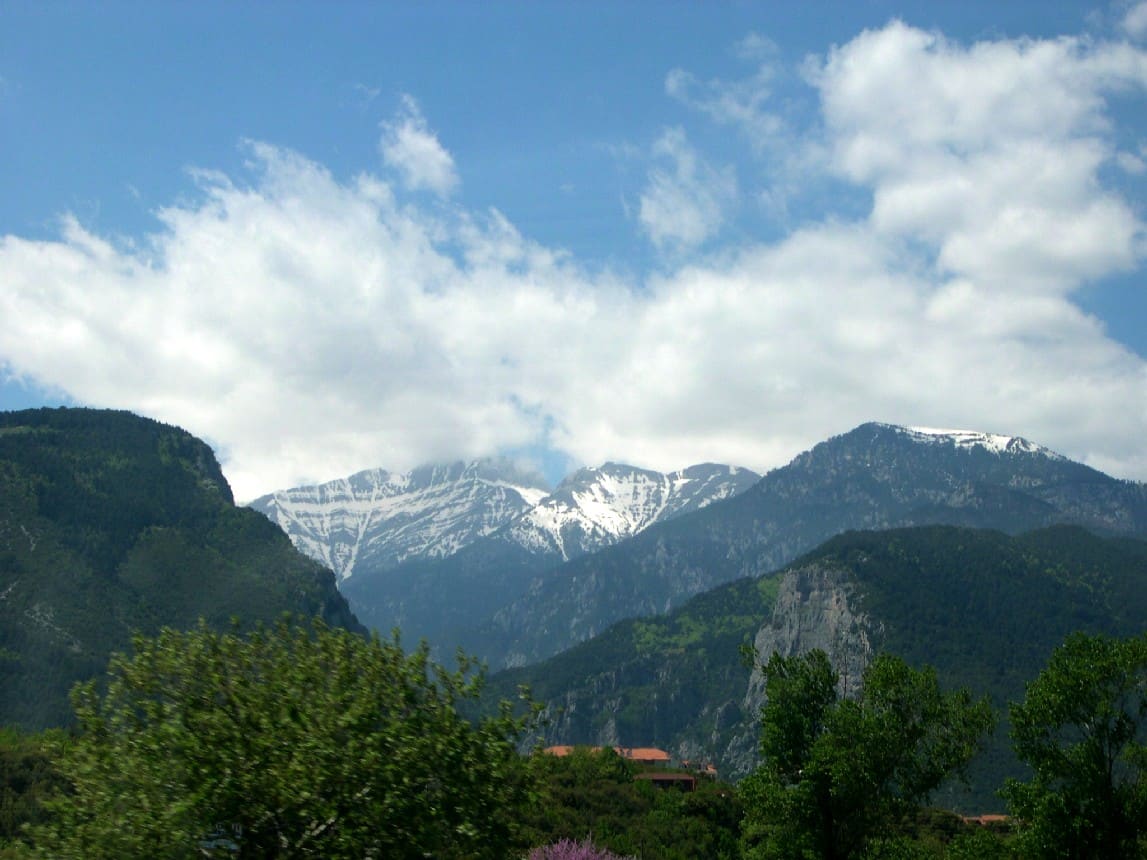
Mount Olympus, Greece's highest mountain and the mythological home of the ancient gods, has been added to UNESCO's World Heritage list after a twelve-year campaign. The designation recognizes the wider Olympus area as a mixed site, acknowledging both its cultural resonance and its natural value in a single inscription.
The unanimous support for the nomination reflects the mountain's layered significance. Beyond its place in Greek mythology, Olympus shelters ecosystems shaped by dramatic shifts in elevation and climate. The terrain rises from sea level to nearly 3,000 meters, creating distinct vegetation zones that support species found nowhere else.
What the Designation Covers
The mixed-site status is relatively rare in the World Heritage system. It means Olympus meets criteria for both outstanding natural phenomena and cultural importance. The mountain's biodiversity is tied directly to its geography: proximity to the Aegean Sea moderates temperatures at lower elevations, while alpine conditions prevail at the summit.
Several at-risk species depend on these varied habitats. The designation could unlock access to conservation resources, though the World Heritage Fund itself is modest and highly competitive. More immediately, it formalizes international attention on the area's ecological fragility.
Tourism and Its Trade-Offs
Tour operators in the region have welcomed the news, but with reservations. Evangelos Geroliolios, mayor of Dion-Olympus, acknowledged before the announcement that international recognition would likely increase visitor numbers. The question is whether infrastructure and coordination can keep pace.
Greece has seen tourism rebound sharply in recent years, and popular natural sites have struggled with crowding, erosion on trails, and waste management. Olympus already draws hikers, climbers, and day-trippers. A UNESCO label typically amplifies interest, especially among travelers seeking bucket-list destinations.
Operators hope the designation will push authorities to formalize visitor management plans that have been discussed but not fully implemented. Ideas floated in recent years include entrance fees, capacity limits on certain trails, and seasonal restrictions to protect nesting periods for birds of prey.
The Conservation Calculus
UNESCO inscription does not automatically come with funding. The World Heritage Fund supports projects on a case-by-case basis, prioritizing sites in developing countries or those facing imminent threats. Greece, as a European Union member, would compete for grants against sites with fewer domestic resources.
Still, the designation can be leveraged in other ways. It strengthens applications for EU environmental funding and raises the profile of Olympus in private conservation circles. It also creates accountability: sites on the list are monitored, and if conditions deteriorate, they can be placed on the List of World Heritage in Danger, a reputational risk that governments typically work to avoid.
The challenge is coordinating the many stakeholders involved. The mountain spans multiple municipalities, and responsibility for trails, permits, and enforcement is divided. Tour operators want clearer guidelines so they can plan sustainable itineraries without undercutting each other on price or access.
Balancing Myth and Reality
Mount Olympus has always attracted visitors drawn by its mythological associations. The idea of walking where Zeus and Hera were said to dwell has a pull that transcends typical mountain tourism. But that narrative can overshadow the mountain's ecological importance, reducing it to a backdrop for selfies rather than a living system that requires care.
The UNESCO designation might help shift that balance. By framing Olympus as a mixed site, it invites travelers to engage with both the stories and the species. Educational programs, interpretive signage, and guided tours that emphasize biodiversity alongside mythology could make the experience richer and the impact lighter.
Greece has examples to draw from. The Samaria Gorge in Crete manages high visitor numbers with a one-way trail system, seasonal closures, and ranger patrols. Those measures are not perfect, but they have prevented the kind of degradation seen at less-regulated sites.
What Comes Next
The inscription is a milestone, but implementation will determine whether it benefits or burdens Mount Olympus. Local authorities and the Greek Ministry of Culture will need to develop a management plan that addresses visitor flow, habitat protection, and community involvement. Tour operators, meanwhile, are calling for transparent communication about any new rules so they can adapt without losing business.
There is also the question of enforcement. Rules are only useful if they are followed, and that requires staffing, monitoring, and, when necessary, penalties. Greece's tourism sector is stretched thin in peak season, and adding another layer of oversight to a remote mountain area is not trivial.
The hope is that UNESCO status will create momentum for investment, not just celebration. If managed well, Olympus could become a model for how natural and cultural heritage can coexist with tourism. If not, the designation might become a footnote to a story of environmental decline accelerated by the very recognition meant to prevent it.