The Route Opens
European Sleeper launched a direct overnight service from Brussels to Hamburg this summer, running three times weekly. Combined with Eurostar from London, the journey takes roughly 12 hours, with much of it spent asleep. The new link makes Hamburg accessible from the UK without flying or spending an entire day changing trains.
The service departs Brussels in the evening and arrives in Hamburg early the next morning. Passengers leaving London in the afternoon can reach Germany's second-largest city by breakfast, covering around 800 kilometers while horizontal.
European Sleeper is a Dutch-Belgian operator that started running international routes in 2023. Finding suitable rolling stock remains a challenge for independent night train companies. The carriages are decidedly retro, complete with analog dials and temperamental air conditioning. The toilets require reminders about what not to flush. But the train moves smoothly, and the gentle sway helps with sleep.
What You Get for the Fare
A return couchette ticket costs approximately €230, plus Eurostar fare from London. Couchettes are basic bunks stacked five to a cabin, accessed by ladder. The top bunk offers more privacy and storage, though it requires some climbing. Budget seats are available for around €25 one-way, popular with backpackers willing to sleep upright. Private cabins with proper beds and duvets accommodate up to three people, with options to book the entire compartment.
The price includes two nights of accommodation saved, which shifts the math compared to budget airlines. No baggage fees, no early airport arrival, and significantly more legroom than economy class.
The train carries nearly 400 passengers across ten carriages, roughly equivalent to two full flights. The platform atmosphere before departure feels different from airport gates. There is a palpable sense of shared adventure among the student travelers, young families, and solo passengers of various ages.
Hamburg as Destination
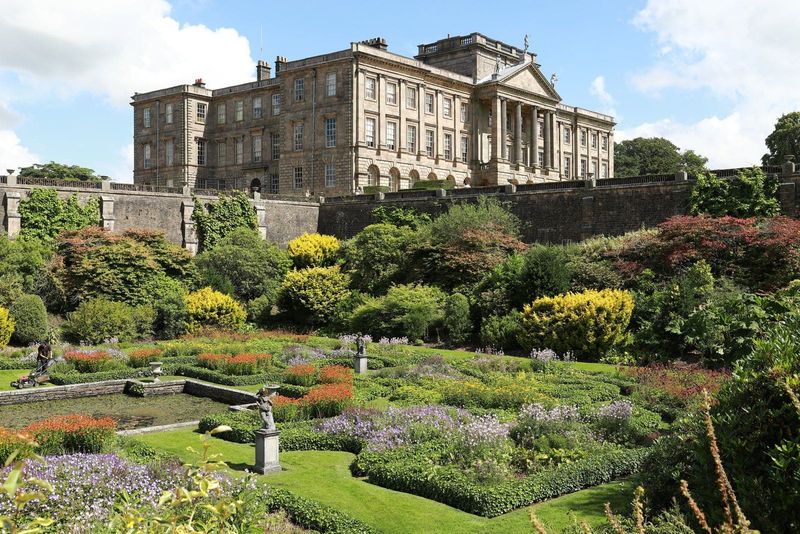
Hamburg has a population larger than Birmingham and centuries of maritime history. It is Europe's third-largest port. The city has a distinctive northern character, different from Berlin or Munich, with a thriving counterculture rooted in its seafaring past.
The St Pauli neighborhood, famous for its red-light district and as the place where The Beatles developed their stage presence, retains a working-class edge. The skull-and-crossbones emblem of FC St Pauli, the anti-fascist football club, appears throughout the city. Venues like the anarchist art squat Rote Flora, the micro-neighborhood Gängeviertel, and punk record shop Fischkopp support creative communities.
Recent additions include a converted Nazi bunker transformed into a panoramic roof garden. The Kaifubad pool complex, housed in a neo-gothic building, offers morning swims. Neighborhoods like Schanzenviertel and Karolinenviertel are dense with graffiti and independent shops. The Planten un Blomen botanical garden provides green space in the city center.
Food options span Austrian dumplings, Neapolitan pizza, and Portuguese pastries in the Portuguese Quarter. The city feels less touristy than expected. English is not the dominant language on the streets.
The Scandinavian Connection
Hamburg functions as a rail hub to northern Europe. Direct trains, including sleepers, run from Hamburg to Copenhagen, Stockholm, and Malmo. From 2028, Oslo and Gothenburg will join that list.
The European Sleeper link does more than connect London to Hamburg. It unlocks Scandinavia without flying. A passenger can board in London, sleep to Hamburg, then continue north on another train. The geography suddenly compresses.
This matters for travelers who prefer overland routes or want to reduce air travel. It also matters for Hamburg, which has remained somewhat off the radar for UK visitors compared to German cities with more direct flight options.
The Experience
The journey begins with Eurostar from London St Pancras to Brussels-Midi. The cross-channel portion is quick, shifting from Thames estuary industry to Belgian redbrick and water towers in under two hours. Brussels allows a short stopover before the overnight departure.
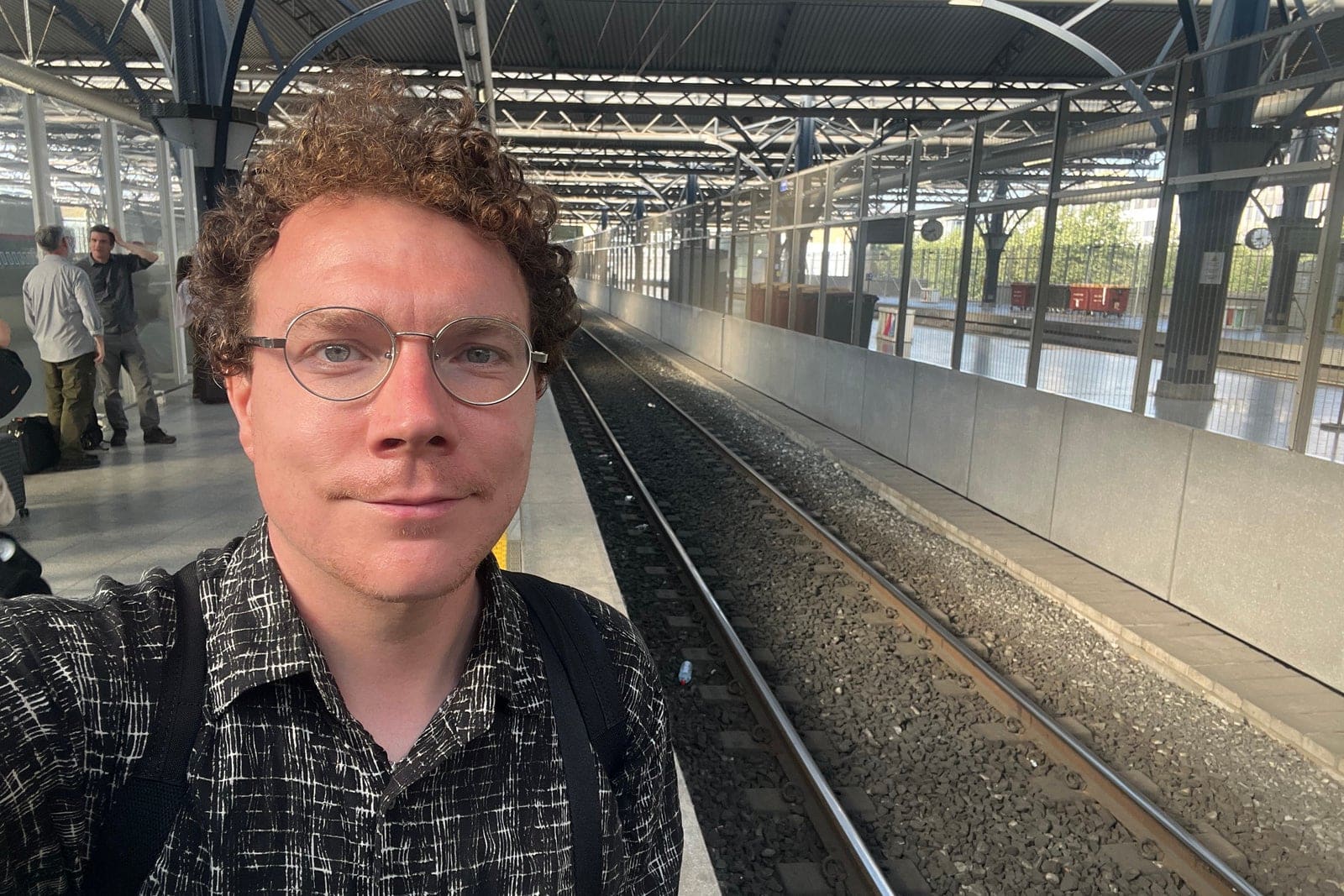
Boarding the European Sleeper requires no two-hour pre-departure window. Passengers arrive five minutes before the train pulls in. There is shuffling on the platform, polite maneuvering in narrow corridors, and the settling-in process as everyone locates their assigned bunk or seat.
Cabins fill with mixed nationalities. Conversations reveal night train veterans traveling from Toulouse to the Arctic Circle via Interrail, and first-timers from Hamburg surprised to learn the route only just opened. The sun sets over Belgian countryside. After a final stop at Liege's Guillemins station, lights go off.
Sleep quality varies. The train sways soothingly most of the time, though metallic clanks and passing trains occasionally interrupt. The stillness when the train pulls into sidings can be more jarring than the motion. Windows open for fresh air when the air conditioning falters.
At 6am, the train rests at Hamburg Harburg station. Passengers bound for Berlin continue sleeping. Those disembarking step onto Platform 5 into a new city, ready for coffee and a full day before most people have finished their morning commute.
What It Signals
Night trains disappeared across Europe during the 2010s as budget airlines expanded and state railways cut unprofitable routes. The pandemic accelerated closures. But the past few years have seen tentative growth. New operators are launching routes despite bureaucratic hurdles from national railway systems.
The expansion remains slow and complicated. Finding carriages, negotiating track access, and coordinating schedules across borders all present obstacles. But the map is filling in. Each new route makes the network more useful.
The Hamburg service demonstrates viability for mid-range overnight journeys. It is not luxury travel. It is functional, slightly eccentric, and far more interesting than airport terminals. The carriages may look like Cold War submarines, but they move people efficiently while they sleep.
For UK travelers, the mental map of accessible Europe shifts slightly. Hamburg becomes reachable. Scandinavia becomes reachable. The train does not just transport bodies. It redraws what feels possible without boarding a plane.