A Viral Woodcock and a Renewed Interest
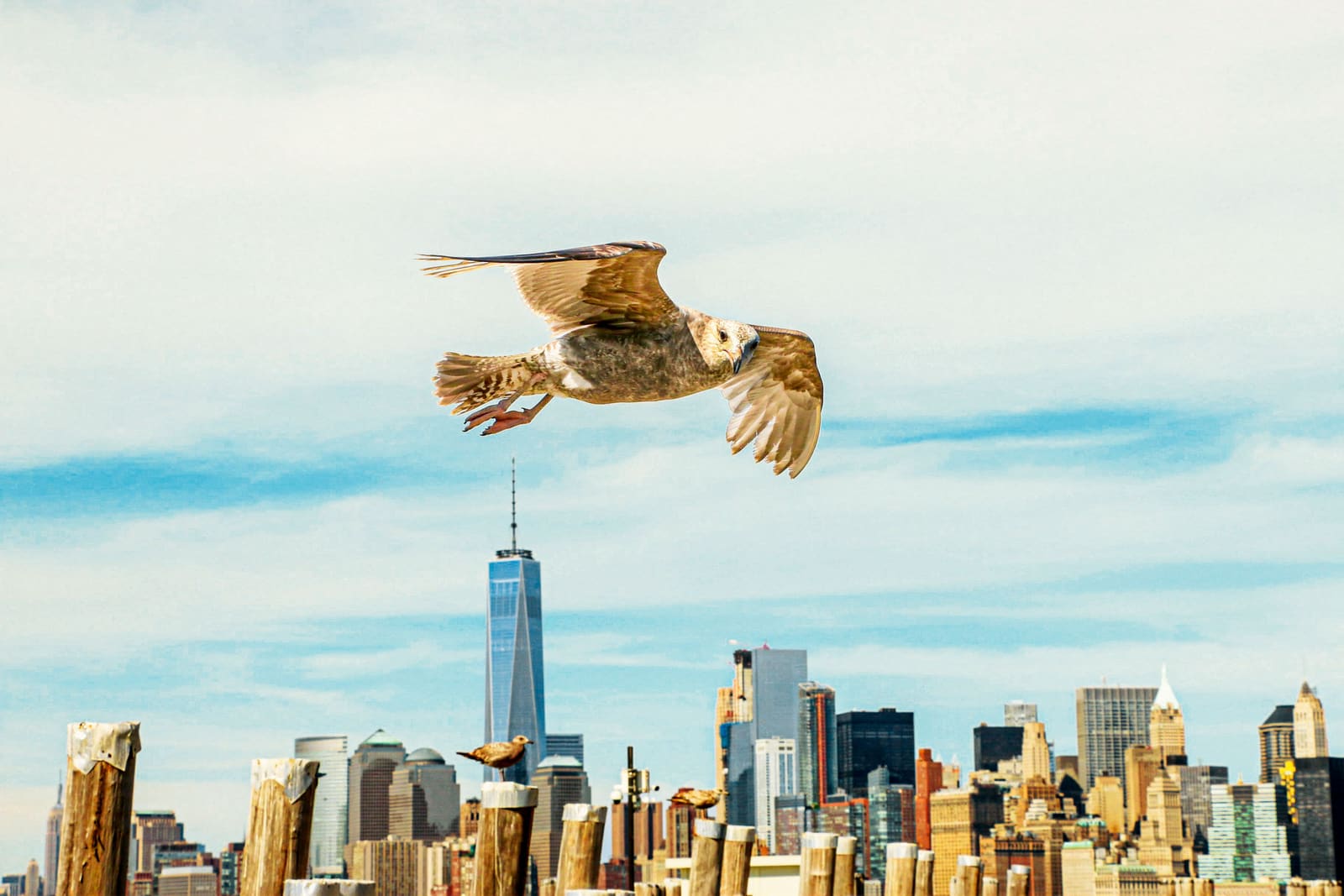
When an American woodcock landed in Bryant Park this April, the small bird drew crowds. Its distinctive bobbing walk and migration north attracted birders and casual observers alike, but the moment highlighted something bigger: New York City's birdwatching community is growing, and it's more welcoming than ever.
The city sits along key migratory routes and contains varied ecosystems, from waterfront parks to botanical gardens. That geography supports a surprising range of species. Depending on the season, observers might see bald eagles, wild turkeys, or songbirds. Less common visitors, including snowy owls and razorbills, occasionally appear.
What sets the current scene apart isn't just the birds. It's the organizations working to make the activity approachable for everyone, not just those who already own binoculars and field guides.
Guided Walks Across All Five Boroughs
The NYC Bird Alliance organizes hundreds of walks and classes throughout the year, spanning all five boroughs. Many outings are free; others cost around thirty dollars for non-members. Locations range from well-known spots like Central Park and Brooklyn Bridge Park to less obvious places, including public housing complexes and the New York Botanical Garden in the Bronx.
The group also runs themed events. Black Birders Week and Let's Go Birding Together (LGBT) walks create space for communities often underrepresented in outdoor recreation. Accessible itineraries accommodate wheelchair and walker users, recognizing that mobility shouldn't limit participation.
For those who prefer exploring without a guide, the alliance has published a "birding by subway" resource. It maps out routes and sites reachable by public transit, lowering the barrier for spontaneous outings.
New Groups, New Perspectives
Other organizations are expanding the city's birding culture. NYC Queer Birders hosts monthly events in Brooklyn, Manhattan, and Queens, building community around shared interest and identity. The Feminist Bird Club leads outings across the city and has begun organizing events in other U.S. cities, Canada, and Europe.
These groups reflect a broader shift. Birdwatching, once seen as solitary or exclusive, is becoming a social activity shaped by the people doing it. The emphasis on inclusivity isn't incidental. It's central to how these organizations operate, from the language they use to the locations they choose.
Staying Overnight to Watch
For visitors wanting more than a day trip, Collective Retreats on Governors Island offers tents and cabins from May through October. The seventy-hectare island in New York Harbor is home to hawks, herons, and woodpeckers. It's a short ferry ride from Manhattan but feels removed from the city's density.
The setup suits people who want to linger. Early mornings and late afternoons tend to be the most active times for bird activity, and staying overnight makes it easier to catch both.
Why It's Catching On Now
Birdwatching aligns with current travel preferences. Slow travel, nature-based experiences, and activities that don't require expensive gear or far-flung destinations are all in demand. Urban birding checks those boxes while offering something else: a way to notice the environment already around you.
New York's bird population changes with the seasons, which means return visits reveal different species. That rhythm encourages repeat engagement without the pressure to see everything at once.
The social dimension matters, too. Group walks introduce people to others with similar interests, and themed events create entry points for those who might not have felt welcome in traditional birding spaces. The result is a hobby that feels less intimidating and more like something anyone can try.
What You'll Actually See
The species list varies widely depending on timing. Spring and fall migrations bring the most variety, as birds move between breeding and wintering grounds. Summer residents include warblers and thrushes. Winter can bring raptors and waterfowl that spend colder months in the city.
Rarities generate excitement, but common species offer their own rewards. Learning to distinguish a house sparrow from a song sparrow, or recognizing the call of a red-tailed hawk, builds familiarity with the urban ecosystem. That knowledge changes how you experience the city, even when you're not actively birding.
Practical Considerations
Most organized walks require only comfortable shoes and a willingness to walk slowly. Binoculars help but aren't mandatory, especially on group outings where guides often share equipment. Apps like Merlin Bird ID make species identification more accessible, though experienced birders on guided walks usually handle that part.
Weather matters. Early mornings tend to be most productive, and overcast days can be better than bright sun, which makes birds harder to spot. Dress in layers and bring water.
The city's green spaces can get crowded, particularly on weekends. Weekday mornings offer quieter conditions, though popular parks like Central Park and Prospect Park attract visitors regardless of the day.
A Different Way to See the City
Urban birdwatching reframes how people interact with New York. It encourages slowing down, paying attention, and noticing life that exists alongside human activity. That shift in perspective is part of the appeal.
The city's birding community is making room for more people to have that experience. Whether through accessible routes, themed events, or simply a welcoming tone, the message is clear: you don't need specialized knowledge or expensive equipment to start. You just need to look up.