A Pink House on the Cliffs
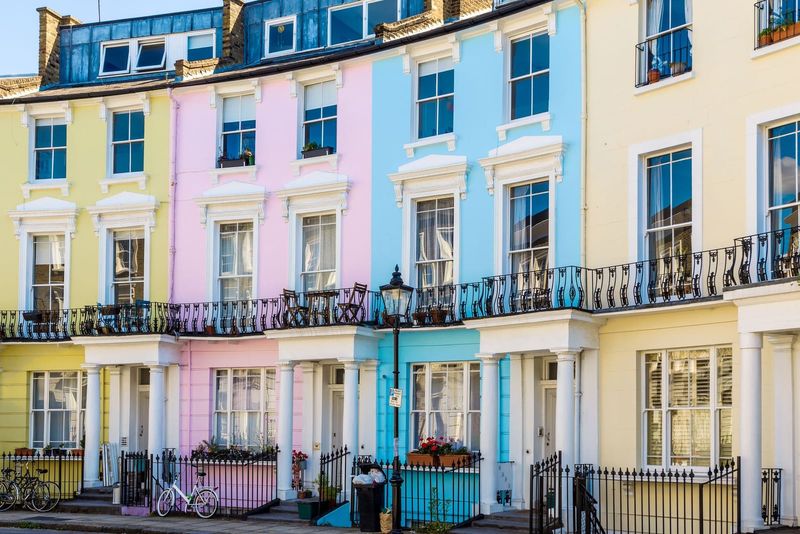
Half a mile from Granville, a quiet coastal town in Normandy, sits Villa Les Rhumbs. The house wears a soft pink facade, the same shade that would eventually become synonymous with one of fashion's most recognizable names. Christian Dior was born and raised here during the Belle Époque, and the estate has functioned as a museum since 1997.
The current exhibition, running through November 2026, makes a straightforward argument: everything Dior created traced back to this place. The grey Norman skies, the roses his mother cultivated, the view across to Jersey, the summer carnivals. These weren't just childhood memories. They became the visual language of a global brand.
Brigitte Richart, the museum's director and chief curator, points out that visitors are seeing the estate on an unusually clear day. On typical grey mornings, she explains, the tones that inspired Dior's palette become more obvious. But even in bright sun, the references are everywhere.
Where the Palette Came From
Two tote bags open the exhibition, both from this season's collection by Jonathan Anderson, Dior's current creative director. One is sea-mist grey, embroidered with text from Dior's autobiography. The other matches the blush of the villa and the garden roses. Eighty years after Dior founded his couture house, the same colors still anchor the brand.
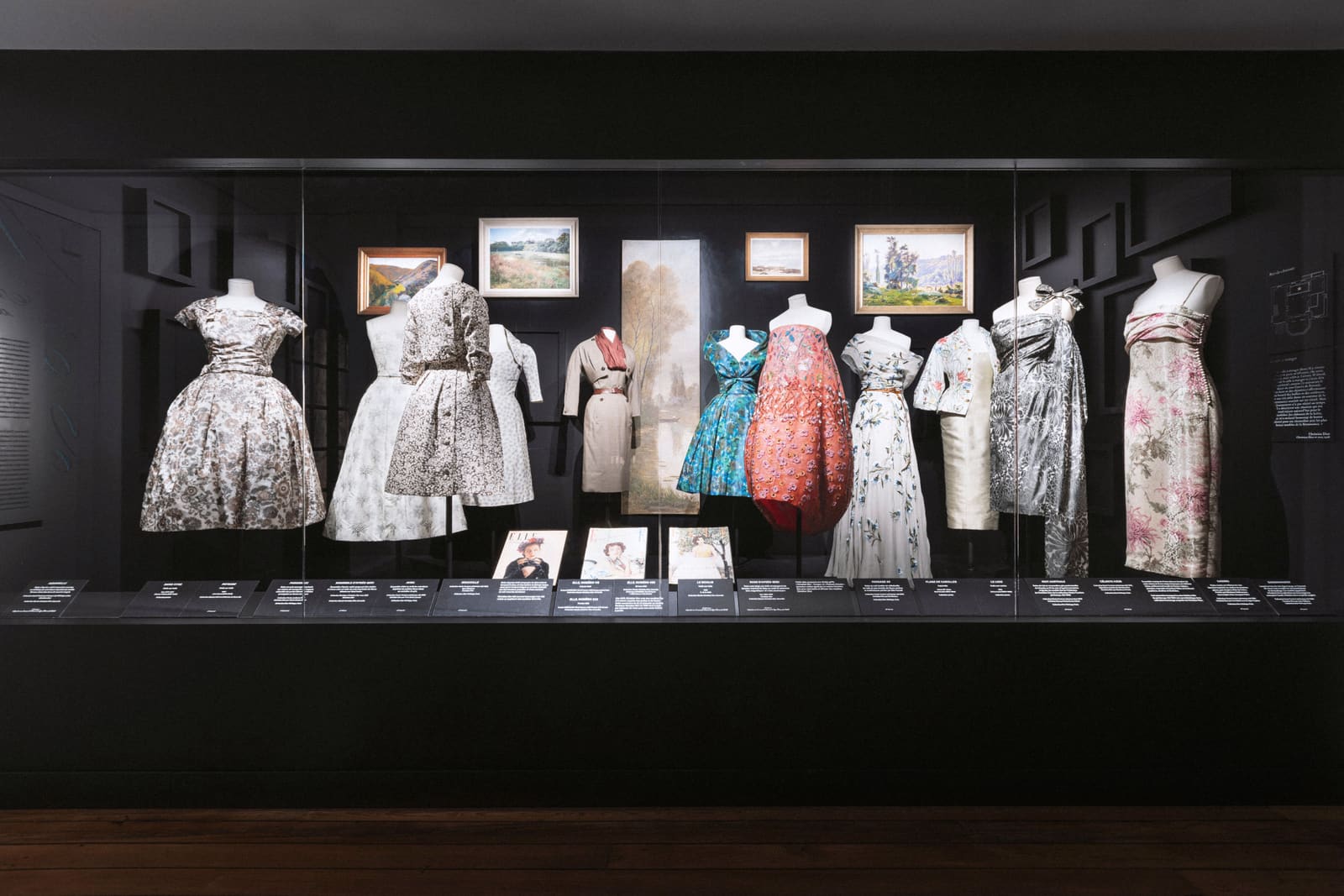
The exhibition includes 250 pieces, from mid-century ball gowns to a birth announcement card from 1905. The display moves through the villa's rooms, each revealing a different facet of how the house shaped the designer. In what was once Maurice Dior's office, the focus shifts to business. Before Christian entered fashion, the Dior name meant fertilizer. Marketing materials and burlap sacks that once carried industrial shipments across Europe line the walls, showing where the designer learned commercial strategy.
Dior was an early adopter of what would later be called logomania. He put his name on everything, a boldness inherited from his father's entrepreneurial approach. The adjacent room displays heavily branded ready-to-wear pieces that demonstrate this instinct.
Private Symbols, Public Designs
In the small room that was once Dior's bedroom sits a metal star he found on a Parisian pavement in 1946, just before launching his fashion house. Dior was deeply superstitious and carried talismans throughout his life. The star became one of his most personal symbols.
Later creative directors picked up on these motifs. A John Galliano evening gown and a Maria Grazia Chiuri jumpsuit, both covered in constellation embroidery, hang behind the original star. The thread between Dior's private beliefs and the house's public designs remains unbroken.
The museum allows only 50 visitors inside at a time, which suits the material. This isn't a blockbuster retrospective. It's an intimate look at origins, the kind that requires quiet attention.
The Garden's Influence
A tour of the grounds clarifies what the exhibition is really about. Behind the villa, roses planted by Dior's mother still grow. On humid days, their scent is overwhelming. These flowers informed fragrances Dior developed himself, including Diorissimo and Miss Dior, bottles of which are displayed inside.
The garden overlooks the sea, and on clear days you can see Jersey in the distance. Maritime traditions from Granville, the shape of the coastline, the rhythm of summer festivals, all of it filtered into Dior's work. He was a private, even shy man, and this estate offered the seclusion he needed. But he also understood spectacle and branding, a tension the exhibition explores throughout.
Why Granville Still Matters
Every creative director who has led the house since Dior's death has returned to this coastal estate for inspiration. The exhibition argues that this isn't nostalgia. It's a working archive, a set of visual and emotional references that remain productive.
The villa itself has barely changed since Dior's childhood. The view is the same. The roses still bloom. Standing in the gardens, it becomes clear why successive designers keep coming back. Some places hold stories. Others hold entire vocabularies.
For anyone interested in how fashion houses build and maintain identity across decades, Granville offers a concrete answer. The aesthetic that defines Dior wasn't invented in a Paris atelier. It was absorbed during a Norman childhood, in a pink house on a cliff, surrounded by grey skies and his mother's roses.
The exhibition runs until November 1, 2026. Admission starts at €10, with concessions available. Villa Les Rhumbs is open to visitors year-round, though the museum recommends checking ahead for seasonal hours.