A National Network Takes Shape
Poland has begun rolling out a new type of protected green space designed to keep forests accessible to the people who live near them. The first site under the scheme surrounds Wrocław, the country's third-largest city, where 8,000 hectares of woodland now carry a "social forest" designation. Another 5,000 hectares in the same area will be classified as natural forest, where human activity is kept to a minimum or eliminated altogether.
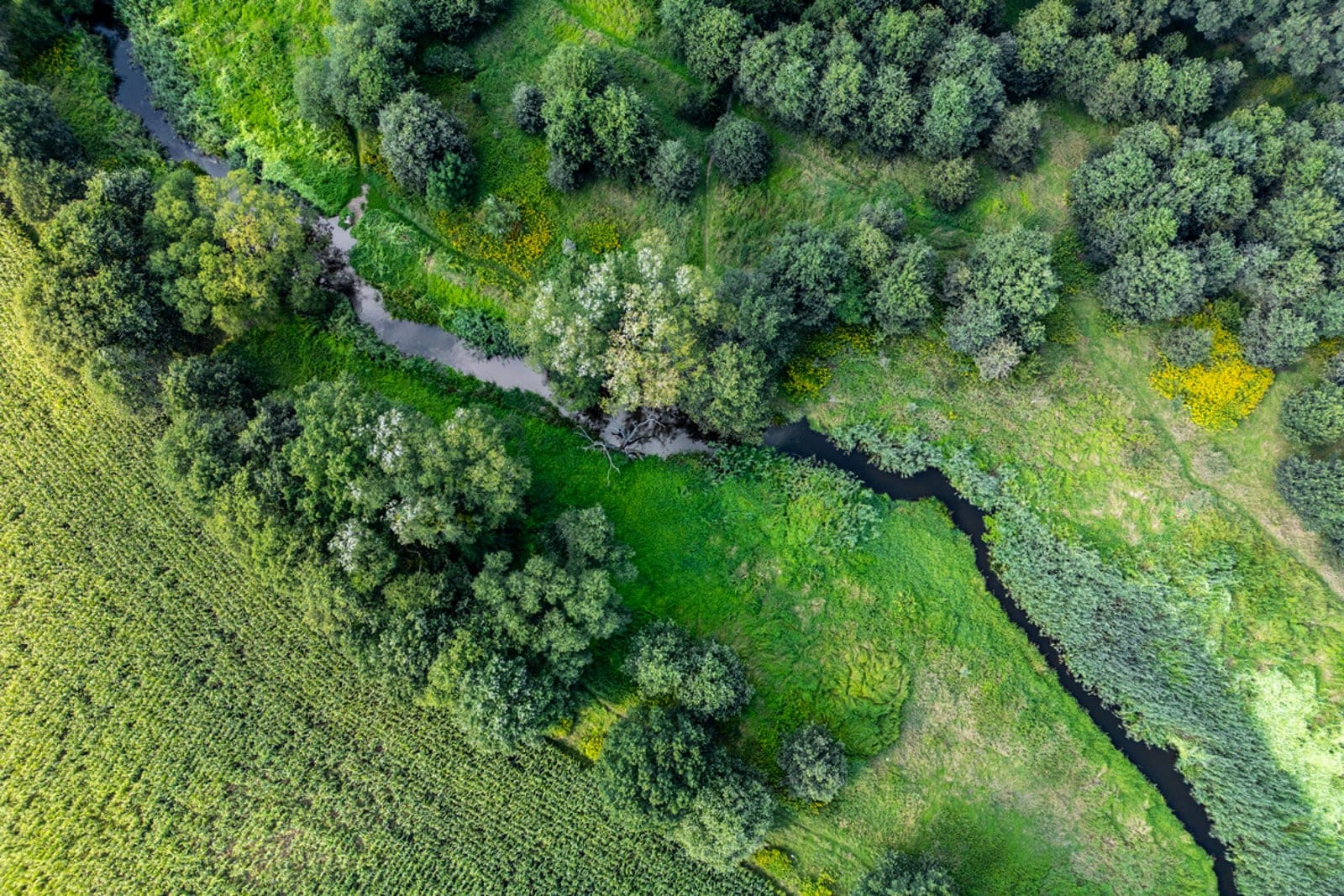
The distinction matters. Social forests are explicitly managed for public use: walking, cycling, picnics, sports, educational programs. Natural forests prioritize biodiversity and ecosystem processes. Together, the two categories cover roughly 13,000 hectares around Wrocław, a patchwork of beech, oak, and pine that has long drawn weekend crowds but lacked formal protection.
Climate and Environment Minister Paulina Hennig-Kloska described the designation as a shift in how the government thinks about forests near cities. Speaking at an inauguration event outside Wrocław, she framed the program as both a quality-of-life measure and a climate adaptation tool. Forests retain stormwater, cool urban microclimates, filter particulate pollution, and stabilize soil, functions that become more valuable as summers grow hotter and drier.
The initiative was announced in 2024 and is planned for ten cities in total, including Warsaw, Kraków, Gdańsk, and Łódź. Wrocław is the pilot. The ministry has said it will develop hiking and cycling trails, signposted educational loops, and other infrastructure to encourage use, though details for the other nine cities have not yet been published.
Balancing Use and Extraction
Logging will continue in the social forest zones, but under tighter constraints. The ministry has indicated that timber harvesting will be limited to times and methods that do not interfere with recreational access or degrade the visitor experience. Exactly how that plays out in practice, whether through seasonal restrictions or zoning within each forest, remains to be seen.
The model reflects a broader tension in European forest policy: how to maintain working landscapes while meeting rising demand for urban nature. Poland's state forests are managed commercially, and timber is a significant rural industry. The social forest category is an attempt to carve out exceptions where public access takes precedence, without removing the land from productive use entirely.
Other countries have experimented with similar frameworks. England's community forests, established in the 1990s, blend new planting with existing woodland and farmland on the urban fringe. France has designated peri-urban forests with recreation mandates. Poland's version is more recent but follows the same logic: cities are growing, green space is shrinking, and people need places to go that are not parks or playgrounds.
Why Urban Forests Matter More Now
The timing of the program aligns with a wider recognition that access to nature is uneven. Wealthier neighborhoods tend to have more tree cover and better-maintained green corridors. Poorer districts, especially in post-industrial cities like Łódź or the outskirts of Warsaw, often have less. Designating large forest areas as social spaces is one way to level that access, though it depends on transport links and whether people feel welcome.
There is also a mental health argument. Studies across Europe have consistently found that time in forests reduces stress markers, improves mood, and supports cognitive recovery. Poland's ministry has cited health and wellbeing as explicit goals of the program, alongside the environmental ones.
The Wrocław forest will serve as a test case. If the trails get built, if the logging restrictions hold, and if residents actually use the space in greater numbers, the model will likely expand to the other nine cities on the list. If conflicts arise between recreational users and forestry operations, or if funding for infrastructure falls short, the program may stall.
For now, the designation is largely symbolic, a legal status that commits the government to a certain kind of management. The real work, building paths, training guides, monitoring ecological health, comes next. Wrocław's forest is open, protected, and waiting to see if the promise of a "new approach" translates into something people can walk on.