A Strategic Pullback
Ryanair has revised its passenger forecast for the financial year ending March 2027, dropping the target from 216 million to 214 million travelers. The Irish carrier plans to hold winter capacity roughly flat compared to last year instead of pursuing growth during the November-to-March period, when demand softens and profits thin.
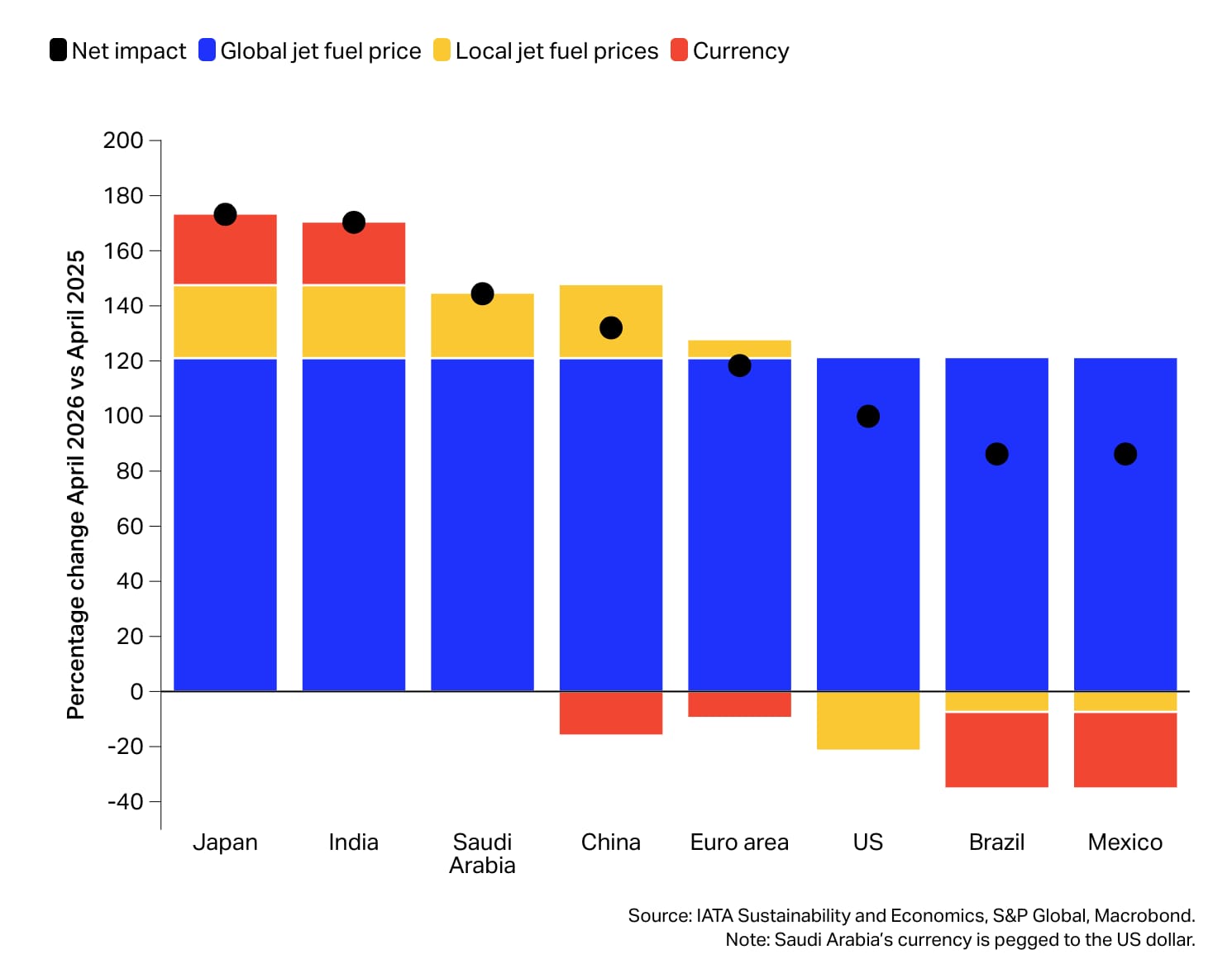
The decision reflects a calculated response to fuel markets. Jet fuel has been trading near $140 per barrel recently, roughly double the rate Ryanair locked in for most of its current-year supply. The airline hedged 80 percent of its fuel at $67 per barrel, shielding itself from the worst of the price spike. But the unhedged portion, particularly during low-margin winter months, presents enough risk that management opted to trim flying rather than absorb the cost.
By cutting winter capacity, Ryanair expects to reduce seasonal losses by between €70 million and €100 million. The airline still anticipates posting a full-year profit, though below the record figures it delivered over the past 12 months.
Summer Strength, Winter Caution
The contrast between seasons is sharp. From April through October, Ryanair carried around 145 million passengers, up more than five percent from approximately 138 million during the same stretch last year. In August alone, traffic rose six percent year-on-year to 22.2 million. That summer momentum provided enough cushion for the airline to take a more conservative posture when the calendar turns colder.
Fuel hedging, a common industry practice that lets carriers lock in prices months or years ahead, has been Ryanair's main buffer. Airlines that hedged less aggressively or at higher strike prices now face a starker choice: absorb the cost, raise fares, or shrink their networks. Ryanair's warning suggests it sees some rivals choosing the latter.
What It Means for Fares
Ryanair has signaled that if oil stays elevated through summer 2027, short-haul fares across Europe could rise materially. The airline framed the outlook in competitive terms, noting that less well-hedged carriers may struggle to sustain capacity or even remain viable through the winter. That echoes a broader industry view. IATA Director General Willie Walsh flagged earlier this year that higher fuel costs would inevitably filter through to ticket prices as geopolitical tensions continued to disrupt energy markets.
For Ryanair itself, the pressure has been building for months. In April, the carrier disclosed an additional $50 million in fuel costs for a single month, with CEO Michael O'Leary cautioning that sustained price increases would hit financially weaker European airlines hardest.
Fuel is one of the largest line items on any airline's balance sheet, but the impact varies widely depending on hedging strategy. Ryanair's relatively high hedge ratio gives it breathing room that others lack. Still, the decision to cut capacity shows how much strain even well-protected carriers are feeling. As existing hedge contracts roll off, airlines will have to replace them at current market rates, compressing margins further unless prices retreat or fares rise.
Network Adjustments
Ryanair has already made selective cuts elsewhere. The airline suspended 17 routes to Amman, Jordan, over the summer amid regional instability. When service resumes, the carrier plans to connect the Jordanian capital with just four cities: Budapest, Bucharest, Madrid, and Vienna.
For passengers, the immediate effect of winter reductions will depend on which routes and frequencies disappear. Ryanair has not disclosed a detailed list, but the broader pattern is clear: the airline is prioritizing profitability over growth when costs rise and demand softens.
Looking Ahead
The question facing European travelers is whether this winter's pullback is a one-off adjustment or the start of a longer trend. If fuel prices remain near current levels into 2027, more airlines will face similar choices. Carriers with weaker balance sheets or less favorable hedge positions may cut capacity more deeply, reduce frequencies on marginal routes, or exit markets altogether. That would tighten supply and likely push fares higher, particularly on short-haul routes where budget carriers dominate.
Ryanair's move is both a defensive play and a signal. The airline is protecting its own margins while betting that competitors will struggle more. If that bet proves correct, the winter of 2026-27 could mark an inflection point for European aviation, one where the post-pandemic capacity boom gives way to a more constrained, higher-fare environment shaped by energy costs rather than demand.