A Town Built for Outdoor Pursuits
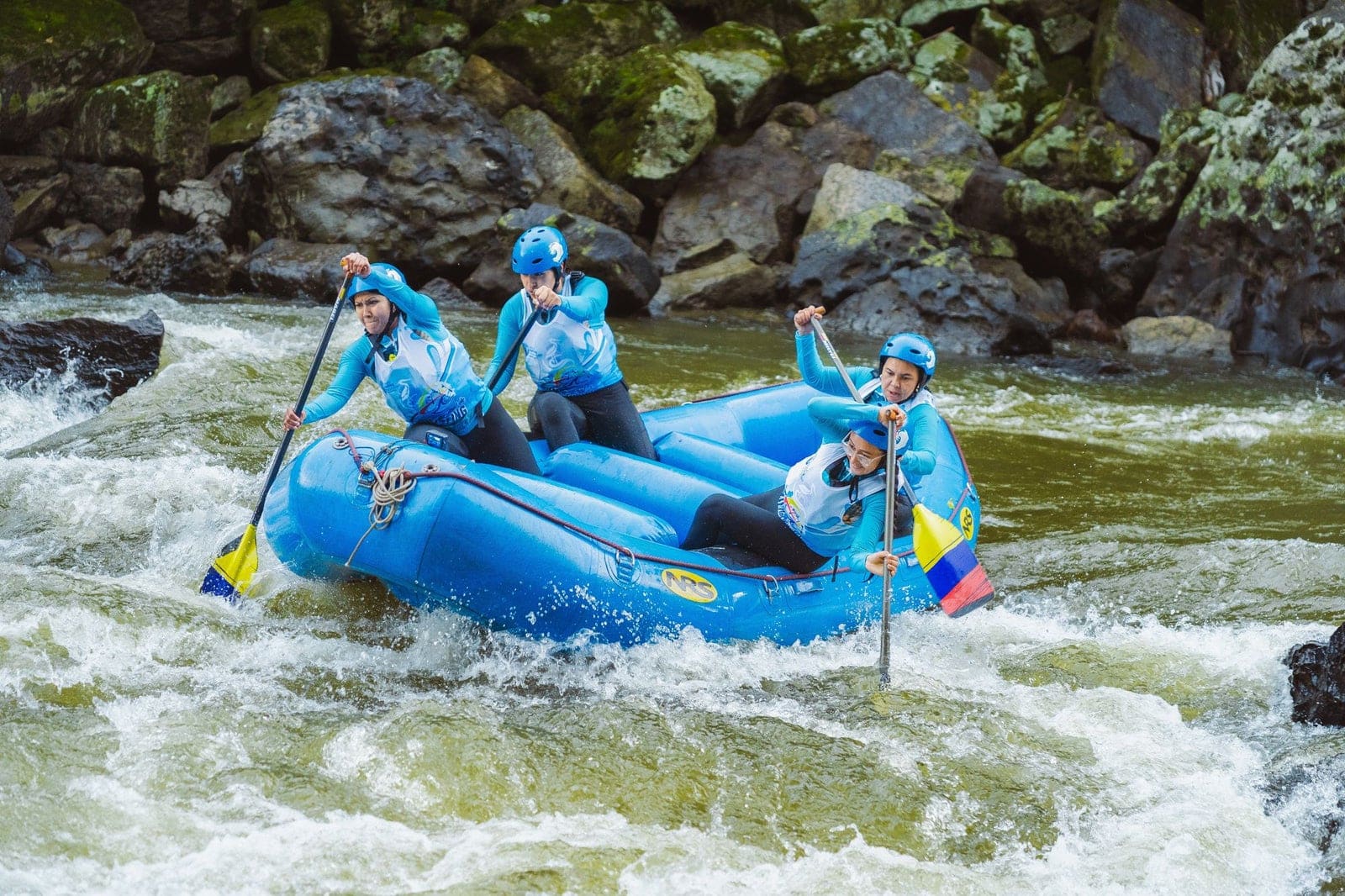
San Gil sits in a rugged valley in northeast Colombia, where steep hills and proximity to the Chicamocha Canyon have turned a small town into a base for adventure travel. The River Suarez, which runs nearby, is considered one of the better rivers globally for white-water rafting, with rapids ranging from grade one to five. Tour operators run trips that last around 90 minutes, navigating tree-lined sections where the water runs the colour of tea and the difficulty ramps up in stages.
Paragliding over Chicamocha Canyon is another draw. Flights typically last 25 to 30 minutes, launching from the canyon edge and reaching altitudes of around 1,500 metres above the ground. The experience can be disorienting; motion sickness is common enough that operators are accustomed to it. The canyon itself is dramatic, with wide vistas that unfold slowly as the flight progresses.
Beyond these headline activities, San Gil functions as a gateway to a range of outdoor environments. The town has positioned itself as Colombia's hub for thrill-based tourism, but the region also accommodates those looking for less intense options.
Cave Systems and River Pools
Cueva de Vaca, known in English as Cow Cave, lies within reach of the town. The cave system was reportedly discovered by a farmer searching for lost livestock. Guided tours take visitors through underground tunnels where water levels can reach thigh height. Stalactites and stalagmites cluster in the caverns, and the darkness is total without headlamps. The space is tight in places, making it unsuitable for anyone uncomfortable in confined areas.
Pescaderito, near the village of Curití, consists of seven connecting river pools. The site requires a walk along an elevated trail beside the river, and the pools offer a place to cool off after the hike. The setting is rural, with limited infrastructure, and the pools are quieter than more publicised swimming spots in the region.
Walking Routes and Colonial Towns
The Camino Real is a stone-paved trail linking the colonial town of Barichara to the village of Guane. The route is exposed, with few opportunities to buy water along the way. Barichara itself is marked by terracotta roofs and cobbled streets. Taller de Papel, a women-led cooperative in the town, produces handmade paper using natural fibres such as agave and pineapple. The cooperative is open to visitors and sells its products on site.
San Gil's main square, Parque La Libertad, is lined with trees and serves as the town's social centre. Nearby, Parque Natural El Gallineral is an urban forest with moss-covered trees, winding paths, and small bridges. The park sits next to a busy road but provides a green space within the town limits. The local market offers regional fruits, including guanábana, also called soursop.
Logistics and Costs
San Gil is accessible by bus from Bogotá, with direct services taking six to eight hours. Fares start around £14. Avianca operates direct flights from London Heathrow to Bogotá, with journey times of approximately 11 hours and return fares beginning at £630.
Tour operator Aventura Total offers white-water rafting for around £83 for a three-hour experience, paragliding over Chicamocha Canyon for approximately £60 for a 25-minute flight, and caving excursions for about £15 for two hours. Accommodation options include Macondo Hostel, where a bed in an eight-person dormitory starts at £7 per night, and private rooms with bathrooms cost £28 per night.
Tejo, a traditional Colombian game involving throwing a metal disc at a gunpowder target on a clay board, is played at some hostels and bars in the town. The game is social and straightforward, though accuracy takes practice.
What the Region Offers Beyond Adrenaline
San Gil's reputation centres on high-intensity activities, but the surrounding area also supports slower-paced travel. The town itself is functional rather than picturesque, with a layout that reflects its role as a regional hub rather than a tourist showcase. Barichara, a short distance away, is more polished and often cited as one of Colombia's better-preserved colonial towns.
The variety of activities within a compact area makes the region practical for travellers who want to mix physical exertion with downtime. The infrastructure for adventure tourism is well established, with multiple operators offering similar itineraries at competitive prices. The town's hostels cater to backpackers and budget travellers, and the social atmosphere is geared towards group activities and shared experiences.
Weather is a consideration. The region can be hot, particularly during midday, and many outdoor activities involve sun exposure. Carrying sufficient water is essential, especially on trails like the Camino Real where services are sparse.
San Gil's identity is tied to its landscape. The canyon, river, and surrounding hills provide the raw material for the town's tourism economy, and the activities on offer are direct responses to the geography. For visitors looking to spend several days outdoors without venturing into remote wilderness, the town offers a concentrated set of options.