The People Behind the Postcard
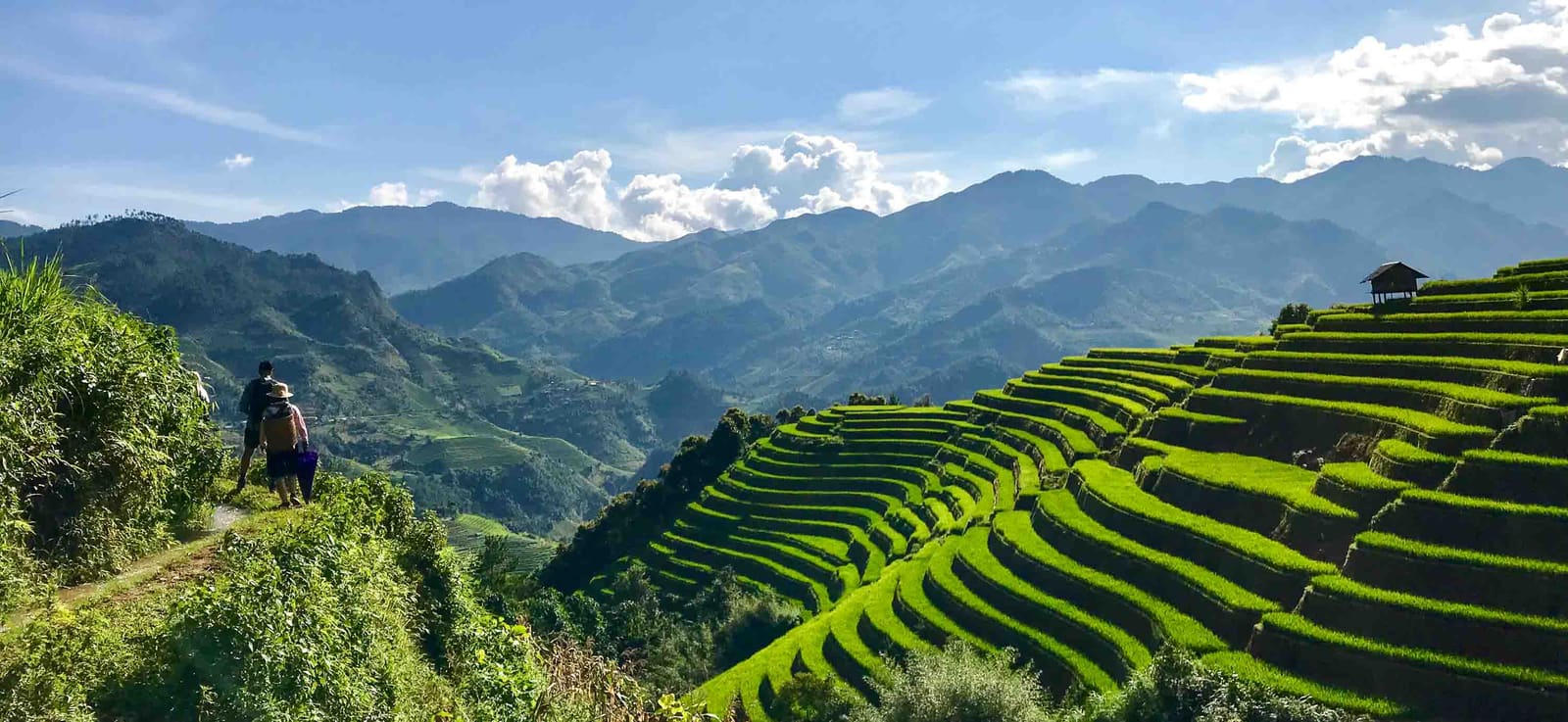
The rice terraces cascading down Sa Pa's slopes are one of Southeast Asia's most recognizable images. Fewer visitors realize those terraces were carved by hand over centuries by ethnic minority groups - Hmong, Dao, Tay, Giay, and others - who still farm them today. When trekking tourism took off in the 1990s, it was members of these communities who became the first guides, walking visitors through their own villages and fields.
For decades, that arrangement worked. Tourism brought cash income to remote households. Travelers valued the authenticity of learning from people who lived the landscape. Local knowledge was both the product and the currency.
Now that balance is shifting. Vietnam's tourism sector is professionalizing rapidly, and new regulations are tightening who can legally lead tours. In some regions, official guide licenses require formal training, fluency in multiple languages, and fees that many rural residents cannot afford. The effect is to squeeze out informal, community-based guides in favor of licensed operators, many of whom come from outside the highlands.
Modernization and Its Trade-Offs
The tension reflects a broader challenge across developing tourism markets: how to raise standards without erasing the people who made a destination appealing in the first place. Proponents of stricter licensing argue it improves safety, protects travelers, and builds a more sustainable industry. Critics say it risks turning indigenous communities into stage props - present in photos, absent from the value chain.
In Sa Pa, the consequences are already visible. Some Highlander guides continue to work informally, risking fines. Others have pivoted to selling handicrafts or working as porters. A few have managed to obtain licenses, but the process is expensive and conducted in Vietnamese, a second or third language for many ethnic minority residents.
The irony is sharp. The terraces that draw visitors exist because of generations of indigenous labor. The trails tourists walk were worn by local feet. Yet the people who maintain that landscape are increasingly shut out of the economic reward it generates.
Who Benefits When Tourism Grows?
Tourism revenue in northern Vietnam has climbed steadily over the past decade, driven by both domestic and international visitors. But income distribution remains uneven. Hotels, restaurants, and tour companies in Sa Pa town capture the bulk of spending. Village-level earnings are smaller and harder to track.
For ethnic minority families, guiding was one of the few ways to earn directly from tourism without leaving home. It allowed women, in particular, to generate income while managing farm and family responsibilities. Losing that option narrows livelihoods in places where alternatives are scarce.
Some NGOs and social enterprises have tried to bridge the gap, offering training programs that help indigenous guides meet official standards while retaining community ties. Results have been mixed. Funding is inconsistent, and programs often struggle to scale. Meanwhile, the regulatory environment continues to tighten.
A Question of Access and Ownership
At its core, the debate is about who has the right to tell a place's story. Indigenous guides offer something no textbook can teach: lived experience, cultural context, and a relationship to the land that spans generations. That knowledge has value, even if it does not come with a certificate.
Yet the tourism industry increasingly favors credentials over connection. As Vietnam integrates further into global travel markets, it faces pressure to meet international expectations around professionalism and safety. Those standards are not inherently bad, but they were not designed with subsistence farmers in mind.
The risk is that Sa Pa becomes another place where indigenous people are visible in the scenery but invisible in the economy. Where terraces are preserved as heritage sites, but the families who built them are reduced to background characters in someone else's tour narrative.
What Comes Next
The outcome will depend on choices made now. Vietnam could create pathways for community guides to formalize their work without losing their identity - licensing systems that recognize traditional knowledge, language support for certification exams, subsidies for training costs. Or it could continue down a road where professionalization means displacement.
Other countries have faced similar crossroads. In some, indigenous tourism has thrived under co-management models that give communities real decision-making power. In others, it has withered into folklore performances disconnected from daily life.
For Sa Pa's Highlander communities, the stakes are personal. Tourism was supposed to be an opportunity, a way to share their culture and improve their circumstances. Whether it remains one will say a lot about the kind of tourism Vietnam wants to build.