A New Kind of Tourist Trap
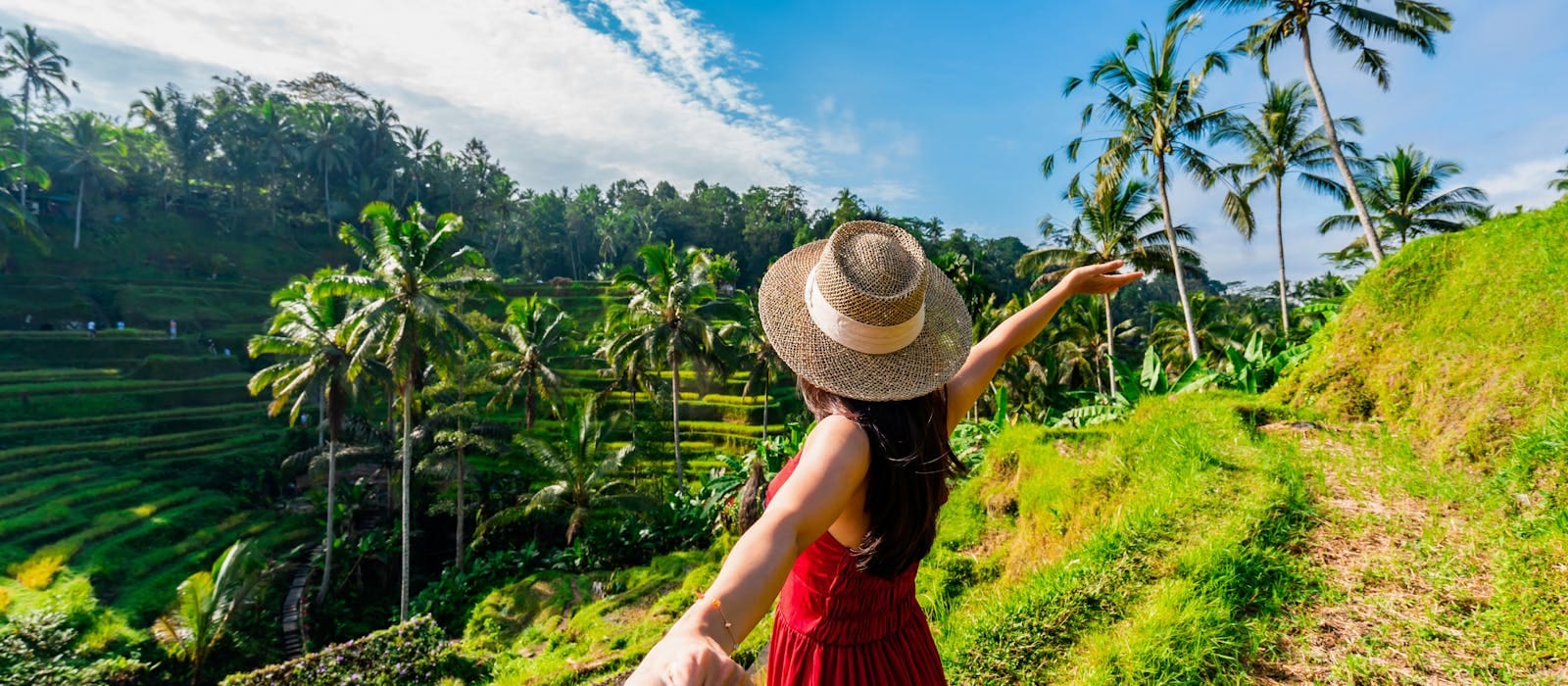
Visitors to Bali can now pay admission to photograph themselves in replica rice terraces, on swings suspended over fake valleys, and inside giant nests overlooking manufactured vistas. These selfie parks offer professional photographers, flattering lights, props, and costume rentals. Everything is designed for one purpose: helping tourists create social media posts without ever touching a real cultural site.
The concept sounds absurd at first. But in places buckling under the weight of Instagram-driven tourism, these artificial photo zones might be solving real problems.
Social media has reshaped travel priorities. Many visitors now plan trips around locations they have seen online, chasing shots that match what influencers posted. The experience itself often matters less than the evidence of having been there. Getting the perfect angle can mean long waits, jostling crowds, and sometimes risky behavior. Between 2008 and 2021, at least 379 people died worldwide in selfie-related incidents.
The environmental toll adds up quickly. Popular photo spots face erosion, litter accumulation, and traffic congestion. Locals in heavily photographed neighborhoods deal with trespassing tourists and disrupted daily routines. Research shows that social-media-motivated visitors tend to behave less responsibly than other traveler types, more focused on content than cultural exchange.
Staging the Experience
Selfie parks have emerged in cities across multiple continents: Chicago, London, Prague, São Paulo. But Bali's versions reveal the model's full potential. The Indonesian island draws millions of visitors annually, many seeking the lush landscapes and photogenic temples they have seen online. Real rice paddies and sacred sites suffer under the pressure.
Enter the dedicated photo venue. For an entrance fee, guests access a controlled environment filled with backdrops that reference Bali's landscape and culture. Staff monitor behavior through cameras and on-site supervision. Daily safety inspections reduce the risk of accidents. Visitors get their shots without trampling actual farmland or overcrowding temple grounds.
One Bali selfie park reported more than 1,500 visitors during the low season alone. The facilities have expanded to include infinity pools and day clubs. All remain locally owned and managed, creating employment for residents and opportunities for local entrepreneurs.
The trade-off is obvious: authenticity. These are manufactured experiences, stage sets designed to mimic reality. Some locals view the parks as gimmicky, a commodified version of their home that flattens culture into backdrop. Others appreciate the income and jobs, especially when the alternative is watching real cultural sites degrade under tourist pressure.
The Practical Case
The critique of inauthenticity assumes most social-media-driven tourists want authentic experiences in the first place. But if a significant portion of visitors care more about the image than the encounter, why force them into fragile environments?
Selfie parks function as a kind of overflow valve. They siphon off the subset of tourists whose primary goal is content creation, redirecting them into spaces built to handle high traffic. The real rice terraces get a break. Sacred sites face fewer interruptions. Residents reclaim some breathing room.
The model also addresses safety concerns. Supervised photo opportunities with trained staff reduce the risk of falls, trespassing, and other hazards associated with unsupervised selfie-chasing. Guards and guides provide soft control, keeping behavior within reasonable bounds.
Critics might argue that these venues encourage the very mindset that created the problem: travel as performance, destinations as content. That is fair. But the phenomenon already exists. Millions of people already travel with their phones leading the way, seeking locations they recognize from social feeds. Selfie parks do not create this behavior; they respond to it.
Where Else Could This Work?
Santorini faces extreme overcrowding, with visitors packing the island's narrow streets and blue-domed viewpoints. Much of the appeal lies in those iconic shots of white buildings against the Aegean. A dedicated photo venue offering similar aesthetics could pull some pressure off the real neighborhoods.
Other heavily photographed destinations might benefit from the same logic. Places where tourist behavior centers on capturing a specific image rather than extended engagement with local culture or landscape. Where the shot matters more than the stay.
The model has limits. It works best in destinations already struggling with social-media-induced tourism, where the alternative is continued damage to vulnerable sites. It makes less sense in places where visitors come for reasons beyond photography, or where the landscape itself cannot be replicated convincingly.
And the question of authenticity remains unresolved. Selfie parks explicitly trade genuine experience for convenience and aesthetics. They acknowledge that for many contemporary travelers, the distinction barely matters. The photo is the point.
Designing for Reality
Tourism boards and local governments have spent years trying to manage overtourism through education campaigns, visitor limits, and entrance fees. Results have been mixed. Selfie parks take a different approach: accepting tourist motivations as they are and building infrastructure to accommodate them.
The parks generate revenue that stays in local communities when ownership remains local. They create jobs in places where tourism already dominates the economy. They reduce environmental and cultural strain on real landmarks. And they give visitors exactly what they came for, in a setting designed to deliver it efficiently.
The rise of dedicated photo venues reflects a broader shift in how people travel and share experiences. Whether that shift represents progress or loss depends on perspective. But the trend shows no signs of reversing. More people are traveling with content creation as a primary goal. More destinations are feeling the strain.
Selfie parks offer a pragmatic response. They are not trying to change tourist behavior or restore some imagined golden age of authentic travel. They are designing for the reality that already exists. In destinations facing waves of phone-wielding visitors, that might be the most useful approach available.