The Dream and the Damage
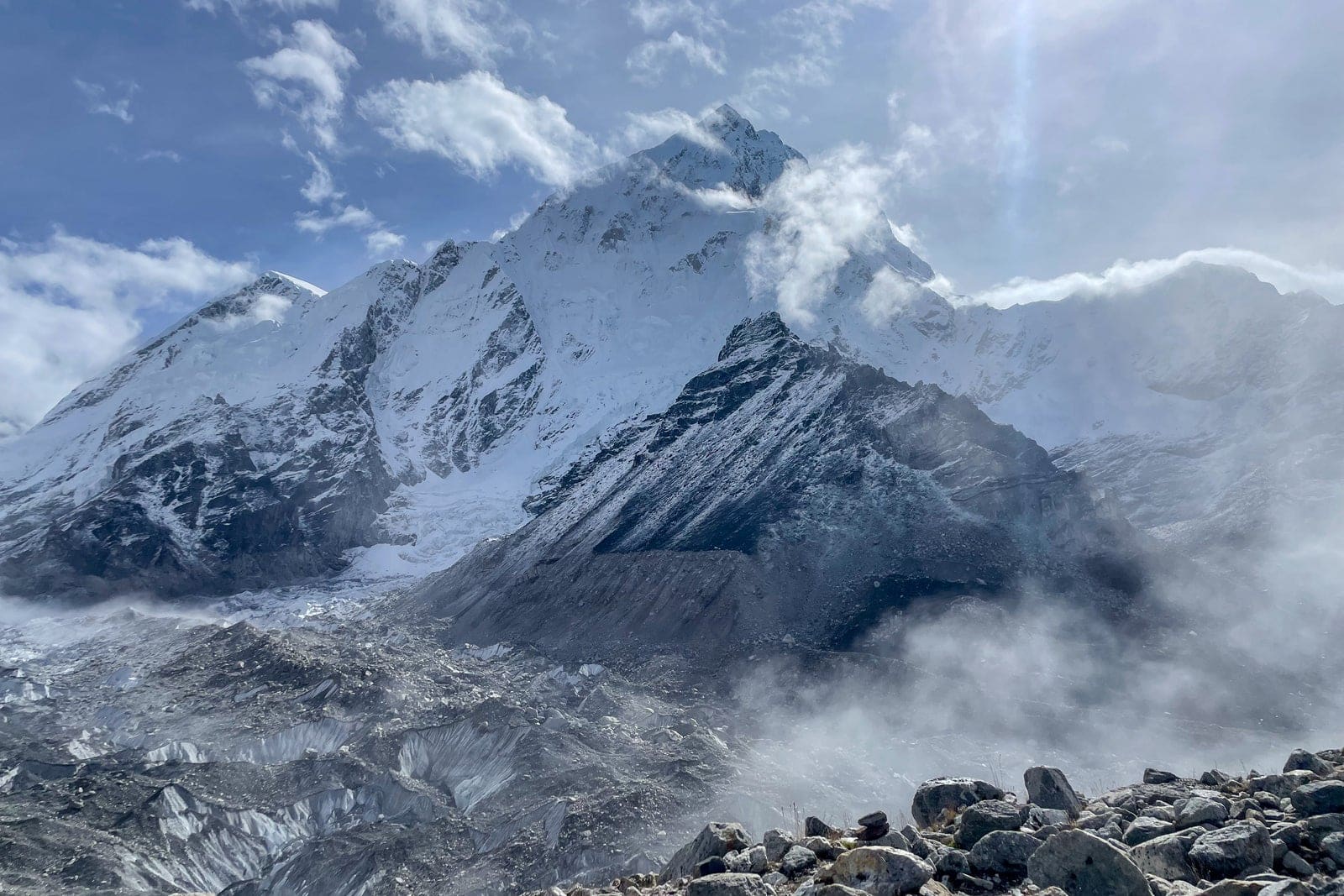
Every year, thousands of trekkers arrive in Nepal with a singular vision: to stand at the foot of the world's highest peak. Everest Base Camp has become shorthand for personal triumph, a bucket-list pilgrimage that promises photographs, altitude sickness stories, and a sense of having conquered something meaningful. But as the trails grow more crowded, the landscape tells a different story.
The path to Base Camp is no longer a quiet communion with the mountains. Recent seasons have seen bottlenecks of hikers, tents sprawling across fragile terrain, and waste accumulating faster than cleanup crews can manage. What was once a remote challenge has become an industry, complete with teahouses, Wi-Fi, and the logistical machinery required to move thousands of bodies up and down a mountain range that was never designed for such traffic.
The Faces You Stop Seeing
Behind every trekker's pack is someone who carried more. Porters and Sherpas form the backbone of Everest tourism, hauling supplies, guiding routes, and often risking their lives to make someone else's adventure possible. Yet their presence in the narrative tends to fade once the summit photo is taken.
The uncomfortable truth is that while climbers return home to share their stories, many of the people who made those stories possible remain in the mountains, their contributions acknowledged in passing if at all. The economic model relies on their labour, but the recognition rarely follows. When accidents happen, when floods sweep through villages, when the season ends and work dries up, the spotlight moves on.
Pollution at Altitude
The environmental toll is no longer a secret. Oxygen canisters, food wrappers, human waste, and abandoned gear litter the routes. Cleanup initiatives have removed tons of trash in recent years, but the volume keeps growing. The mountain absorbs what its visitors leave behind, and the question of who is responsible for the mess has no easy answer.
Local communities bear the brunt of the damage. Water sources are strained, trails erode under constant foot traffic, and the glacial ecosystems that define the region are under pressure from both climate change and human activity. The very thing that draws people to Everest is being worn down by their presence.
The Economics of Elevation
Tourism revenue flows into Nepal, and for many families in the region, guiding and porter work is the primary income. The dilemma is not whether tourism should exist, but how it can be managed in a way that does not extract more than it gives back. The current model skews heavily toward international trekking companies and gear manufacturers, with a smaller share reaching the people who do the hardest work.
Efforts to improve wages and working conditions have gained momentum, but enforcement remains patchy. Some porters carry loads that exceed safe limits, work without adequate insurance, and face pressure to push through dangerous weather. The drive to reach the summit on schedule, to meet client expectations, can override caution.
What Changes When You Look Closer
The trek to Everest Base Camp still offers moments of awe. The landscape is immense, the physical challenge real, and the sense of being small in the face of something ancient is hard to replicate elsewhere. But those moments now come with a responsibility to see the full picture.
Choosing operators who pay fair wages, limiting waste, respecting local customs, and acknowledging the people who make the journey possible are not radical acts. They are baseline expectations that have been too easy to ignore. The mountain will always be there, but the communities and ecosystems that surround it are more fragile than they appear.
The Harder Question
Adventure tourism thrives on the promise of transformation, but transformation for whom? The climbers leave changed, or at least they say they do. The mountain remains, scarred and littered. And the people who carried the weight often disappear from the story entirely, their names forgotten as soon as the next group arrives.
The uncomfortable truth is not that trekking to Everest Base Camp is wrong. It is that the way it has been done for years treats the mountain and its people as resources to be used rather than partners in an experience. Until that changes, every summit photo will carry a shadow.