New Restrictions Take Effect
Hotels in Malaga now install noise detectors aimed at rowdy group travelers. San Sebastian plans to bill tourists for sea rescues when recklessness is involved. Vigo prohibits urinating in the ocean, Salobreña bans beach barbecues, and Palma issues steep fines for drunken disturbances. Offenders may face early deportation.
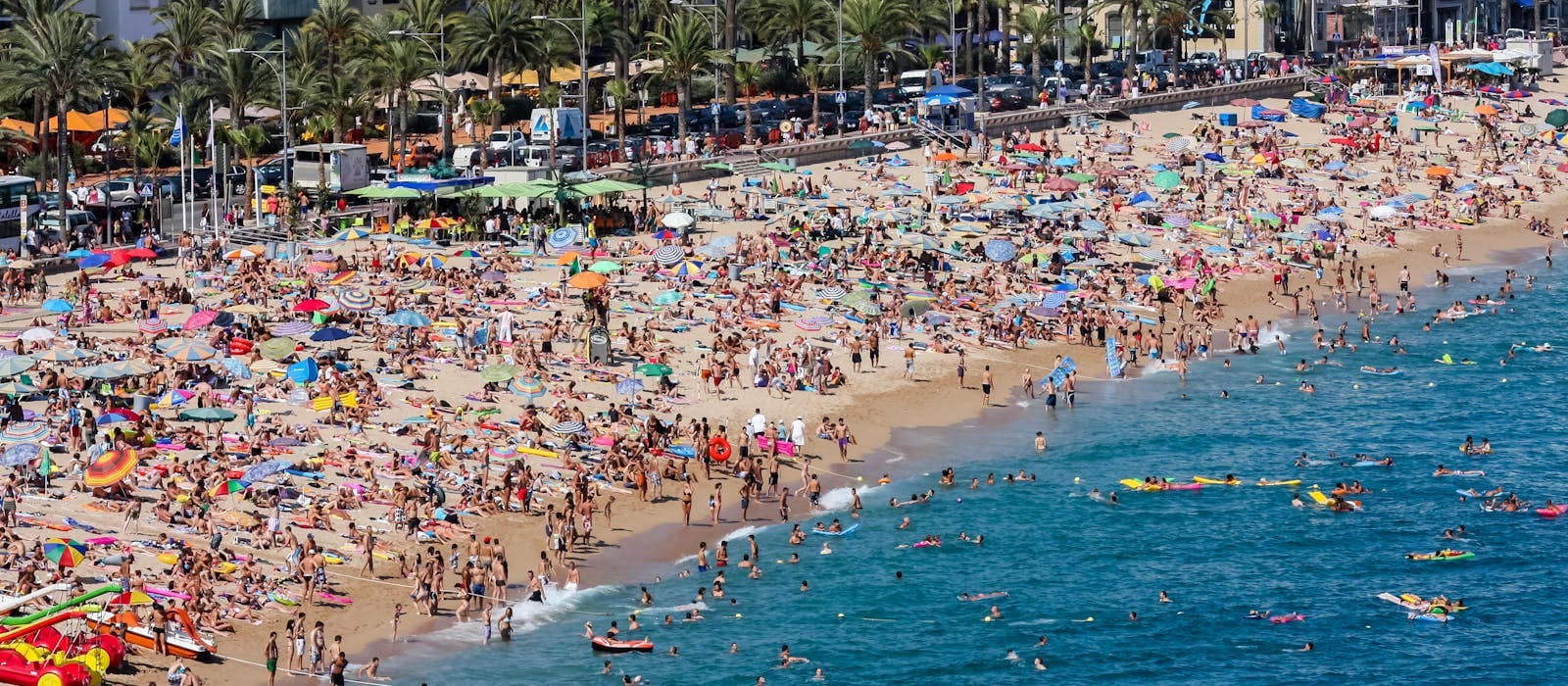
The measures arrive as Spain prepares for another busy summer. The country welcomed 83.5 million visitors in 2019, second only to France globally. Tourism contributed €154.7 billion to Spain's economy that year, and as of May 2022, four in ten new jobs in the country connect to the sector.
British tourists represent the largest share of arrivals. Many head to coastal resorts and islands where decades of marketing have built expectations around sun, beaches, and nightlife. Now authorities say those expectations need updating.
A Campaign for Slower Travel
Spanish tourism officials launched the #SlowTravelSpain campaign this year. The initiative encourages visitors to consider local customs, respect community norms, and think about how their presence affects residents.
The push reflects a broader reckoning. Barcelona has been at the center of the conversation since the 1992 Olympics turned the city into a must-see destination. Crowds grew so dense that local media began describing resident "suffering." The city responded by banning megaphones on tours, capping group sizes at major sites, and creating one-way foot traffic around attractions.
In 2021 Barcelona restricted short-term rentals under 31 days to address housing shortages and service strain. The regulations targeted platforms like Airbnb, where single-room listings had proliferated. The goal was to return housing stock to long-term residents and ease pressure on infrastructure.
Roots of the Tourism Boom
Spain pioneered mass tourism in Europe. Early 20th-century posters promoted the country to foreign audiences. After the Spanish Civil War and World War II, Francisco Franco's government saw tourism as an economic engine. The regime invested in campaigns showcasing landscapes, cuisine, and cultural heritage.
The Ministry of Information and Tourism launched "Spain is Different" in the 1960s. The campaign leaned into stereotypes: sun-drenched beaches, religious festivals, flamenco, bullfighting, and oranges. It worked. Film stars including Ava Gardner, Frank Sinatra, and Sophia Loren visited. Directors shot major productions on Spanish plains, from Doctor Zhivago to Sergio Leone's Dollars trilogy. Tourist arrivals jumped 43 percent in 1960 alone.
Numbers have climbed nearly every year since. Even the 2008 financial crisis, which hit Spain hard, did not slow the trend. Between 2012 and 2017, tourist numbers rose 42.6 percent.
The Trade-Offs
Tourism's dual nature plays out in popular culture. Bargain-loving Brits in the Sun followed UK expats relocating to Alicante and the Costa del Sol for eight seasons. The sitcom Benidorm mined tourist stereotypes for laughs over ten years. Both shows reflected real patterns: affordable flights, low living costs, and a well-worn path for British visitors.
But the volume has consequences. Local housing becomes unaffordable when landlords prefer short-term rentals. Public services stretch thin. Neighborhoods lose year-round residents. The UK and other countries now send police officers to assist Spanish forces during peak season.
Spain is not alone. Before the pandemic, Amsterdam, Venice, and Edinburgh all grappled with overtourism. The term entered the Oxford English Dictionary in 2018. Each destination faces the same puzzle: how to grow the economy without eroding what makes the place worth visiting.
What Travelers Can Do
Officials insist they are not trying to discourage tourism. They want to promote what they call a "safe and high-quality" experience. That means fewer noise complaints, less strain on emergency services, and more consideration for residents.
Visitors can play a role. Research local rules before booking. Understand that public urination, excessive noise, and reckless behavior now carry real penalties. Consider staying in licensed accommodations rather than unregulated rentals. Spread visits across lesser-known regions instead of clustering in Barcelona, Malaga, and Palma.
The #SlowTravelSpain campaign frames these as opportunities, not restrictions. Slower travel means longer stays, deeper engagement, and spending that benefits local businesses rather than international platforms. It means treating destinations as communities, not theme parks.
Spain built its tourism industry on a specific image: endless sun, cheap drinks, and carefree fun. That image still holds power. But the infrastructure supporting it is under strain, and the people living in those postcards are asking visitors to rethink their role. The country remains open for business. The terms, however, are changing.