A New Friction at Europe's Gates
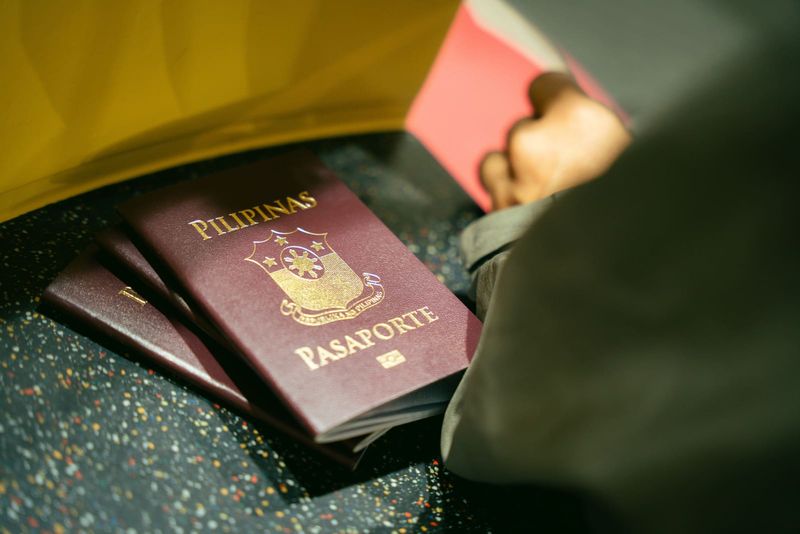
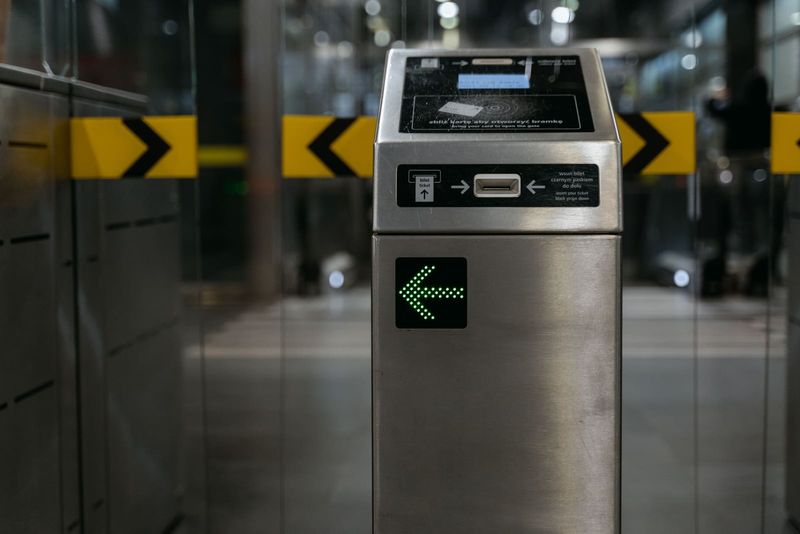
Since the introduction of biometric border checks, travelers arriving in Schengen Area countries have faced a new reality: fingerprints, facial scans, and queues that can stretch for hours. The Entry-Exit System was designed to modernize border control, but its rollout has been uneven. At some crossings, travelers report waiting five hours before clearing passport control - a delay that transforms a short flight into a test of patience.
For travelers who prize ease of movement, the shift has been jarring. What was once a seamless hop across borders now involves kiosks, cameras, and uncertainty about how long the process will take. The blame has circulated among airport operators, system designers, and governments, but the result is the same: longer waits.
Yet not every European destination requires this new layer of screening. Ten countries remain outside the Schengen framework, and they are exempt from the EES mandate. Some are EU members with special arrangements; others are Balkan states that never joined the zone. What they share is simpler entry procedures - and, in many cases, compelling reasons to visit.
Cyprus: Mediterranean Without the Membership
Cyprus sits in the EU but not the Schengen Area, a quirk that keeps its borders free of biometric kiosks. The island has long drawn visitors to beach resorts in Limassol, Larnaca, and Ayia Napa, where nightlife and family-friendly hotels coexist along the coast. Quieter corners include Protaras, a low-key seaside town, and the Troodos Mountains, home to Mount Olympus, the island's highest point.
History threads through the landscape. Paphos holds ancient ruins; Nicosia, the capital, displays layers of Venetian, Ottoman, and Byzantine architecture. The island caters to party seekers and history enthusiasts in equal measure, all without the new border bottlenecks.
Ireland: Nature and Tradition, No Queue
Ireland opted out of Schengen rules, preserving its border arrangements with the UK. Flights and ferries from Britain involve no biometric checks, making the country an easy choice for short breaks.
The Wild Atlantic Way, a 1,600-mile coastal route, remains one of Europe's standout road trips. It passes the Cliffs of Moher, Downpatrick Head, and stretches of coastline that feel untouched. Inland, cities offer distinct flavors: Galway for traditional music, Cork for artisan food, Dublin for pubs and the Guinness Storehouse, the country's most visited attraction.
Albania: Beaches and Alps, Emerging Fast
Albania has shed its reputation as Europe's secret and become a budget alternative to Greece or Croatia. The Albanian Riviera, along the Ionian coast, delivers white sand and turquoise water at a fraction of the cost. Ksamil and Himarë are the most popular beach towns, though others remain quieter.
Inland, the Albanian Alps offer serious trekking. The Valbona Pass, a 10-mile route, winds through alpine scenery and limestone cliffs. Tirana, the capital, blends Ottoman-era buildings with Soviet-era blocks and new structures like Downtown One, a modern high-rise that signals the city's shift.
Bosnia and Herzegovina: Waterfalls, Rivers, and Low Prices
With only 12 miles of Adriatic coastline, Bosnia and Herzegovina is not a beach destination. But it compensates with dramatic natural sites and some of Europe's lowest travel costs. Kravica Waterfalls cascade through dense forest into a lake below; Una National Park protects an emerald river ideal for rafting.
Mostar, in the south, is known for Stari Most, a 16th-century Ottoman bridge that arcs over the Neretva River. Sarajevo, the capital, has a relaxed coffee culture and museums like the Tunnels of Salvation, which documents the 1990s siege. The city remains one of the cheapest in Europe for travelers.
North Macedonia: Mountains, Markets, and a Lake
North Macedonia is landlocked and often overlooked, but it holds thousands of archaeological sites and Ottoman heritage. Skopje, the capital, sits on the slopes of Mount Vodno. The Old Bazaar, one of the Balkans' largest and oldest markets, sprawls through the city center; the Kale Fortress offers views over the rooftops to the Šar Mountains.
Lake Ohrid, shared with Albania, is one of Europe's oldest and deepest lakes. Its northeast shore is lined with medieval churches, hilltop fortresses, and the red-tiled Old Town of Ohrid, where Ottoman-era houses climb steep cobbled slopes.
Moldova: Wine Cellars and Soviet Architecture
Moldova rarely appears on travel lists, but its wine industry has roots stretching back 7,000 years. The Ștefan Vodă region produces reds like the local Rară Neagră, Cabernet Sauvignon, and Merlot. The Codru region, with a milder climate, is known for whites and sparkling wines. Mileștii Mici, in Codru, holds the world's largest wine cellar, storing over 1.5 million bottles underground.
Chișinău, the capital, is built from white limestone and punctuated by green spaces. Soviet-era architecture dominates, a reminder of the country's recent past.
Montenegro: Mountains, Beaches, and Luxury Enclaves
Montenegro is one of Europe's smallest countries by population, with fewer than 630,000 residents. It is also one of the most mountainous. Durmitor National Park offers hiking, rafting through deep canyons, and winter skiing. Visitors can stay in kanus, mountain farm settlements that serve as rural retreats.
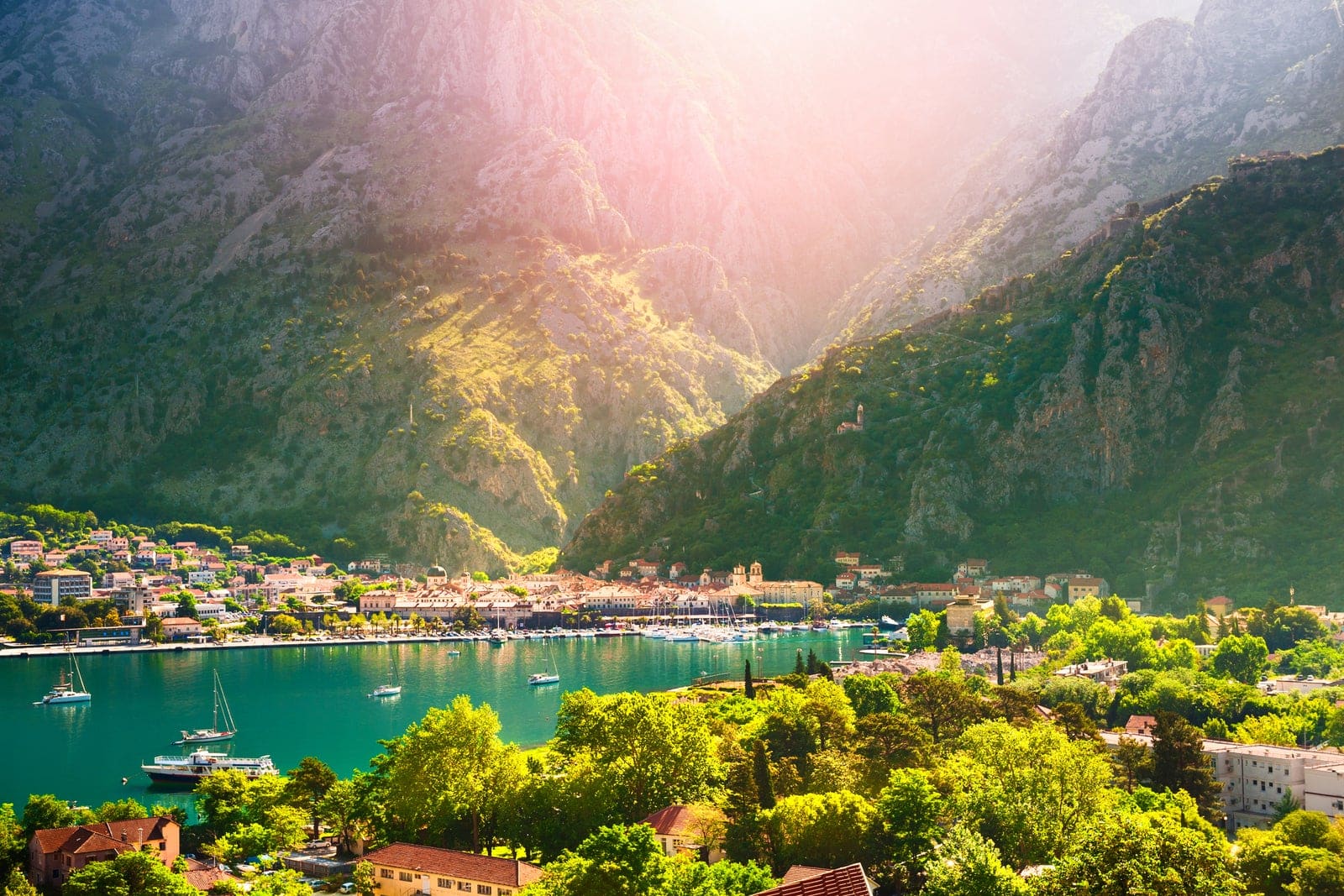
The Adriatic coast draws a different crowd. Towns like Sveti Stefan host ultra-luxury hotels - Aman operates one on a protruding islet - and the area has attracted celebrities for decades. Montenegro's coast has 117 beaches, and the Bay of Kotor, surrounded by Venetian-era architecture, is a highlight.
Kosovo: Europe's Youngest Nation
Kosovo declared independence from Serbia in 2008, though Serbia still claims the territory. More than 100 countries, including the UK, recognize the nation.
Prishtina, the capital, is compact and walkable. Brutalist buildings stand near Ottoman mosques; coffee culture is strong. The Ethnological Museum traces the country's heritage. Prizren, at the foot of the Sharr Mountains, has well-preserved Ottoman architecture and fortifications dating to the Bronze Age.
Serbia: Nightlife, Fortresses, and Five National Parks
Serbia is a city-break favorite, and Belgrade is the main draw. The capital's nightlife is among Europe's most vibrant; in summer, floating clubs called splavovi line the two rivers. Cultural sites include the Belgrade Fortress, Saint Sava Temple (one of the world's largest churches), and Skadarlija, a bohemian quarter filled with taverns and antique shops.
Beyond the capital, Serbia has five national parks. Tara National Park features mountain peaks, Neolithic archaeological sites, and valley views like the one at Banjska Stena.
The UK: A Staycation Without the System
For travelers based in Britain, staying home is the simplest way to avoid EES queues. The UK offers coastlines, highlands, and countryside: the Lake District for hikers, the Cotswolds for villages, Pembrokeshire for beaches, and the Giant's Causeway in Northern Ireland.
Underrated cities also beckon. Dundee, Birmingham, and Newcastle offer weekend breaks without the crowds of London or Edinburgh.
Why Some Countries Sit Outside Schengen
The Schengen Area allows passport-free travel among 29 countries - 25 EU members plus Iceland, Liechtenstein, Norway, and Switzerland. The EES applies to all of them. In theory, once you clear the system at entry, movement within the zone is domestic. In practice, the initial check has become a hurdle.
Countries outside Schengen maintain their own border procedures. Some, like Ireland and Cyprus, are EU members with opt-outs or special agreements. Others, like Albania and Serbia, are not in the EU at all. For travelers, the distinction matters less than the outcome: shorter lines and simpler arrivals.