No New Restrictions on Tourist Areas
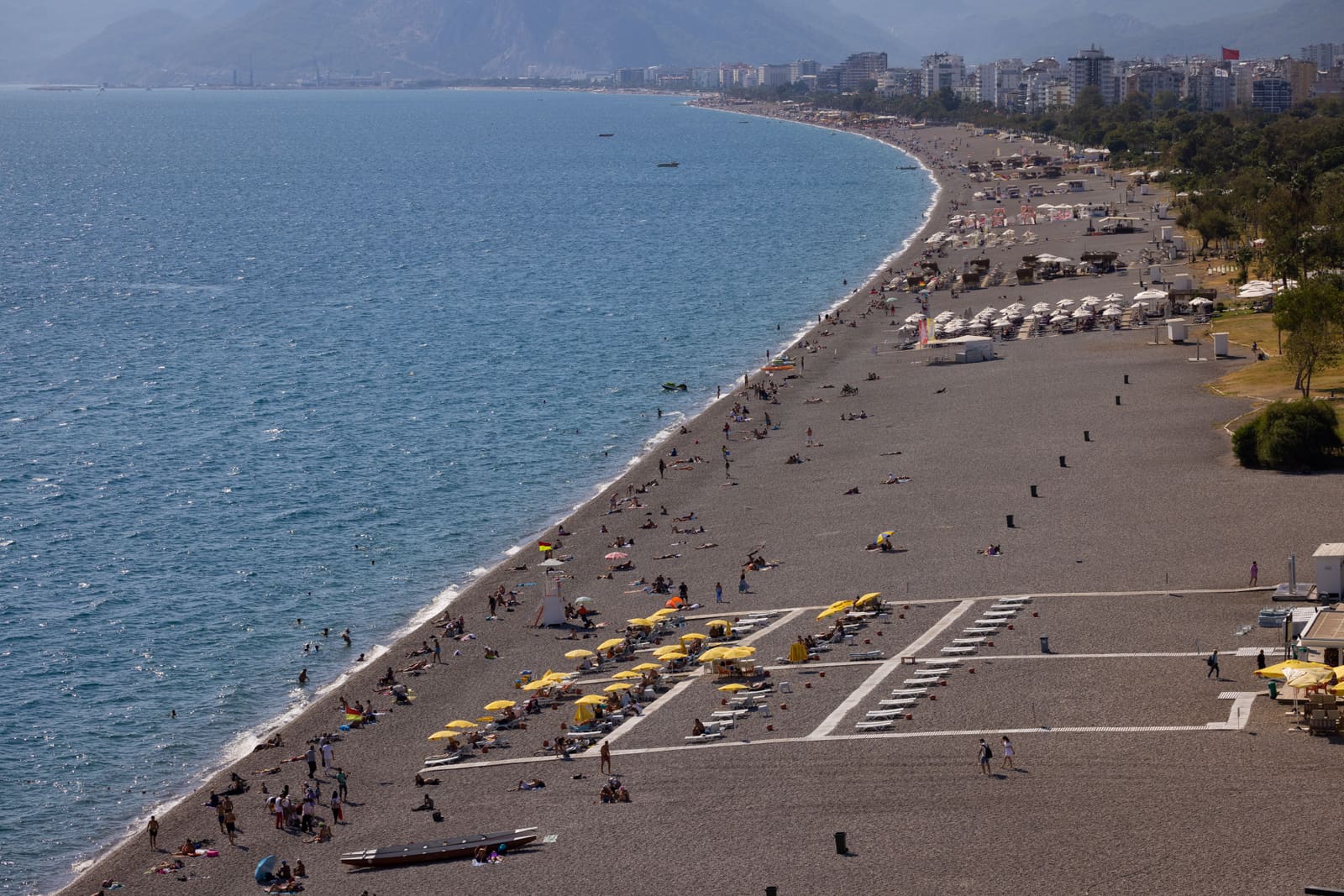
Turkey remains accessible to British travellers despite ongoing volatility in the wider Middle East. The UK Foreign, Commonwealth and Development Office has not issued fresh warnings against visiting the country's main tourist destinations, including Istanbul, Antalya and Bodrum.
An existing advisory against travel within 10 kilometres of the Syrian border remains in place, citing continued fighting and terrorism risk in that specific zone. That boundary has not changed in response to recent events elsewhere in the region.
The guidance refresh follows a missile incident in Riyadh on 19 November, when a Saudi-led coalition intercepted a projectile launched by Yemen's Houthi forces. Although Turkey shares no border with Saudi Arabia, British authorities want travellers aware of the broader regional picture.
What the Updated Guidance Says
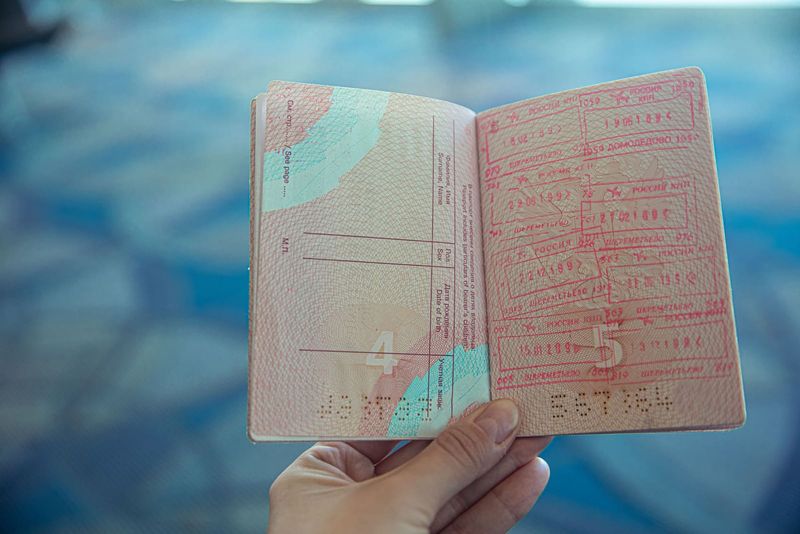
The FCDO's revised information emphasises situational awareness rather than new prohibitions. It advises British nationals to monitor local and international media, follow instructions from local authorities, and keep travel documents current.
Travellers are also asked to avoid areas near security or military installations and to stay indoors if shelter is recommended. The FCDO describes the Middle East context as "deeply unpredictable" with a high risk of sudden escalation, noting that Iran has stated its intention to target locations associated with the United States and Israel across the region.
Since conflict erupted earlier in 2026, there have been strikes and retaliatory attacks on both civilian and military infrastructure in multiple countries. The possibility of further incidents at short notice remains, according to the FCDO.
Border Crossings and Entry Rules
Turkey's land border with Iran remains open for British and Iranian passport holders, who can enter visa-free for stays of up to 90 days. British nationals planning to cross from Iran into Turkey must request facilitation from the British Embassy in Ankara before travelling to the border, the FCDO states.
Entering Iran itself is described as undertaken "at your own risk". The FCDO warns that holding a British passport or having perceived connections to the UK can be sufficient reason for Iranian authorities to detain individuals.
Legal Considerations for Visitors
The FCDO has recently highlighted several Turkish laws that can affect tourists. It is illegal to insult the Turkish nation, the national flag, the president, or Mustafa Kemal Atatürk, the founder of the Turkish Republic. These laws apply to comments or images shared online, regardless of when or where they were posted. Defacing Turkish banknotes is also prohibited. Offences carry prison sentences ranging from six months to three years.
Same-sex activity is legal in Turkey, but the FCDO notes that many areas are socially conservative and public displays of affection may attract unwanted attention. Turkish authorities detained dozens of LGBTQ+ individuals and raided community spaces in September, with officials stating the action aimed to protect children, family and public order. In July, a cruise ship carrying LGBTQ+ passengers was turned away from a Turkish port.
Cancellation and Insurance
Because no advisory against non-essential travel to Turkey has been issued, standard cancellation policies apply. Travellers cannot claim on insurance for safety concerns unless government guidance changes, and holiday companies are under no obligation to offer refunds if customers choose not to go.
The conditions for postponing or cancelling will depend on individual booking terms. Turkey's main tourist centres sit well away from the Syrian and Iranian borders, and the FCDO continues to consider the country generally safe for travel outside the restricted zone near Syria.