Storm Hits Eastern China
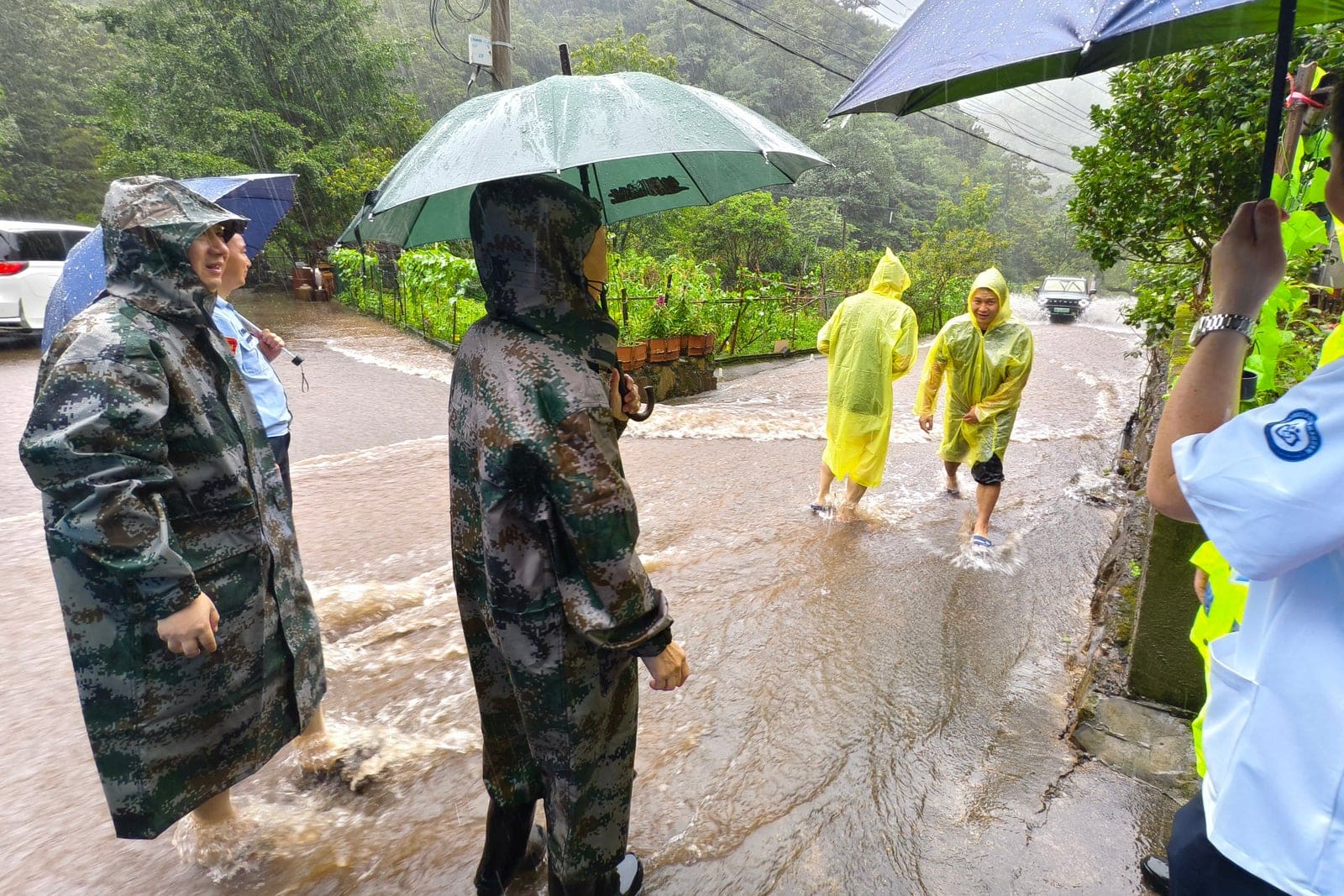
Typhoon Dolphin struck China's eastern coast near Yuhuan city in Zhejiang province on Sunday evening, forcing authorities to evacuate more than one million people. The storm made landfall around 5:30 PM local time with winds reaching 50 kilometers per hour, roughly equivalent to a category one hurricane.
The system made a second landfall about an hour later near Wenzhou. China's meteorological center has since downgraded Dolphin to a tropical storm, though warnings for torrential rain, severe flooding, and landslide risks remain active across multiple provinces.
Rainfall predictions for parts of Zhejiang province ranged between 250 and 500 millimeters for Monday alone. To put that in perspective, London typically receives around 600 millimeters over an entire year. The deluge has left roads submerged and vehicles stranded in floodwaters across affected areas.
Transport Networks Disrupted
Shanghai bore the brunt of travel chaos on Monday, with nearly 1,000 flights cancelled at the city's two main airports. Pudong airport scrapped 642 departures while Hongqiao cancelled 301, representing roughly 40 percent of normal daily operations. Additional cancellations had already occurred over the weekend.
Train services and metro lines in Shanghai ground to a halt due to heavy rain. Ferry services across eastern and southern China were suspended ahead of the storm's arrival, and fishing vessels were ordered back to port.
Ningbo Lishe International Airport in Zhejiang suspended all operations on Sunday. By Monday, some flights had resumed, though a significant portion remained cancelled. Passengers across the region have been urged to check directly with airlines for current flight status.
Japan Sees Power Cuts and Evacuations
Before reaching China, Dolphin swept across Japan over the weekend. The Okinawa prefecture saw power cut to 50,000 buildings on Saturday. Hundreds of thousands of residents received evacuation orders, particularly in Kagoshima and Okinawa prefectures where wind speeds were forecast to reach 198 kilometers per hour.
Naha airport in Okinawa closed on Friday as domestic carriers ANA and Japan Airlines cancelled flights to and from the islands throughout the weekend. The airport has since reopened and resumed operations.
Forecast and Ongoing Risks
The storm is expected to track westward before slowing over central and southwestern China, gradually losing strength as it moves inland. Over the next three days, heavy to torrential rain is forecast across a broad swath of eastern and central China, including portions of Jiangsu, Anhui, Hubei, Hunan, Henan, Shandong, Hebei, Shanxi, Beijing, and Inner Mongolia.
Some areas may experience extremely heavy downpours accompanied by thunderstorms. The combination of saturated ground and continued rainfall elevates the risk of landslides in mountainous regions.
The UK Foreign Office notes that typhoon season in China typically runs from May through November, primarily affecting southern and eastern coastal areas. Air travel and other transport modes can face significant disruptions during this period. The agency recommends monitoring storm progress through the Japan Meteorological Agency and China Meteorological Administration websites.
What It Means for Travelers
The practical impact for anyone with near-term travel plans to affected regions is straightforward: expect delays, cancellations, and the possibility of being rerouted. Flight schedules remain fluid, and ground transport options may be limited in flooded areas.
For those departing from UK airports or flying on UK or EU carriers, standard passenger rights apply. Airlines must provide care, assistance, and either an alternative flight or refund if your departure is cancelled. Travelers should contact their carriers directly for rebooking or compensation claims.
Travel insurance coverage will depend on individual policy terms. Some policies include natural disaster provisions if an event prevents you from reaching your destination, though standard cancellation coverage typically requires an official government advisory against travel. The UK Foreign Office has not issued warnings against non-essential travel to China or Japan, which limits grounds for discretionary cancellations under most insurance policies.
The disruption highlights the unpredictability of travel during typhoon season in East Asia. While the storm has weakened, residual flooding and transport recovery will likely affect operations for several more days. Anyone planning travel to the region in the coming weeks should build flexibility into their itineraries and monitor weather updates closely.