A Broader Net This Year
UNESCO's World Heritage Committee wrapped its annual meeting in Busan, South Korea, last week with 25 new additions to the list. The total count now stands at 1,248 protected sites across 170 countries. The 2026 class leans heavily on cultural properties, with a handful of natural sites and mixed landscapes rounding out the roster.
This year's selections reflect a wider geographic spread than some past cycles. Poland, Kazakhstan, Tunisia, and the Comoros all secured spots, alongside familiar contributors like France, China, and India. The committee deliberated between 19 and 29 July, revisiting older nominations and debating new contenders before finalising the lineup.
Director-General Khaled El-Enany opened the session by emphasising the committee's dual mandate: selecting sites and overseeing their long-term conservation. According to UNESCO, the goal remains linking heritage protection to sustainable development and social cohesion.
War, Faith, and Craft
France claimed two spots this year. The first covers eight medieval fortresses scattered across Languedoc, including Carcassonne's ramparts and the hilltop ruins of Peyrepertuse and Quéribus. Built between the 10th and 14th centuries, the strongholds formed a defensive chain during the region's turbulent Middle Ages.
The second French entry is more recent and more sombre. The beaches of Utah, Omaha, Gold, Juno, and Sword, along with Pointe du Hoc, are now officially recognised for their role in the largest amphibious invasion in modern warfare. On 6 June 1944, thousands of Allied troops landed on these stretches of Normandy coast to begin the liberation of Western Europe. The sites are used for annual commemorations, and the listing formalises their status as places of reflection.
India's Sarnath, where the Buddha is said to have delivered his first sermon after enlightenment, joins the list as an ancient Buddhist site. Japan's entry covers the capitals of Asuka and Fujiwara, political centres from the 7th and 8th centuries that predate Nara and Kyoto. China's addition highlights Jingdezhen, a city synonymous with porcelain production for over a millennium.
Thailand's Wat Phra Mahathat Woramahawihan in Nakhon Si Thammarat, a temple complex with roots stretching back centuries, also made the cut. The site remains an active pilgrimage destination and a centre of religious education in southern Thailand.
Modernism and Migration
Several entries foreground 20th-century architecture and urban planning. Poland's Gdynia, a port city on the Baltic coast, earned recognition for its interwar modernist centre. Built largely in the 1920s and 1930s, the district showcases functionalist design principles applied to a rapidly growing industrial hub.
Uzbekistan's submission centres on Tashkent's modernist buildings, which blend Soviet-era planning with Central Asian design motifs. The city was rebuilt after a devastating 1966 earthquake, and the listed structures capture that moment of reconstruction and cultural negotiation.
Finland's Aalto Works represents the industrial and residential complex designed by architect Alvar Aalto in the mid-20th century. The site includes a pulp mill, housing, and civic buildings, all conceived as an integrated environment.
São Tomé and Príncipe's roças, colonial-era plantation estates, tell a darker story. The listing acknowledges the forced migration and labour systems that underpinned cocoa and coffee production on the islands. The sites are framed as evidence of exploitation and displacement, not celebration.
Swamps, Fossils, and Mountain Gods
On the natural side, the United States secured its latest entry with Okefenokee National Wildlife Refuge, a vast peatland straddling Georgia and Florida. The swamp is one of the largest intact freshwater wetlands in the subtropics, supporting over 850 plant species and hundreds of animal species, including alligators, black bears, and migratory birds.
Denmark's addition is more niche. The Bony Fish Fossils of the Western Limfjord preserve evidence of marine life from the early Eocene epoch, around 56 million years ago. The fossils document a period of rapid climate change and evolutionary adaptation, offering a window into how species responded to warming seas.
Jordan's Aqaba Marine Reserve protects coral reefs and seagrass beds at the northern tip of the Red Sea. The UAE's Wadi Wurayah, a mountainous catchment area, is the country's first natural heritage site, home to rare Arabian leopards and endemic plant species.
Greece's Mount Olympus listing has been years in the making. The mountain, highest in the country and steeped in mythology, now has formal protection for its microclimate and biodiversity. Petitions for its inclusion date back more than a decade.
What Protection Means
Inscription on the World Heritage list carries weight, but it is not a guarantee. Sites must develop management plans, secure funding, and demonstrate ongoing conservation efforts. Countries that fail to protect listed properties risk having them placed on the "in danger" list or, in rare cases, delisted entirely.
The 2026 additions will now enter that framework. For some, like the D-Day beaches, the challenge is balancing commemoration with preservation. For others, like Okefenokee, the threat comes from proposed mining projects and climate-driven water loss. The designation is both recognition and responsibility.
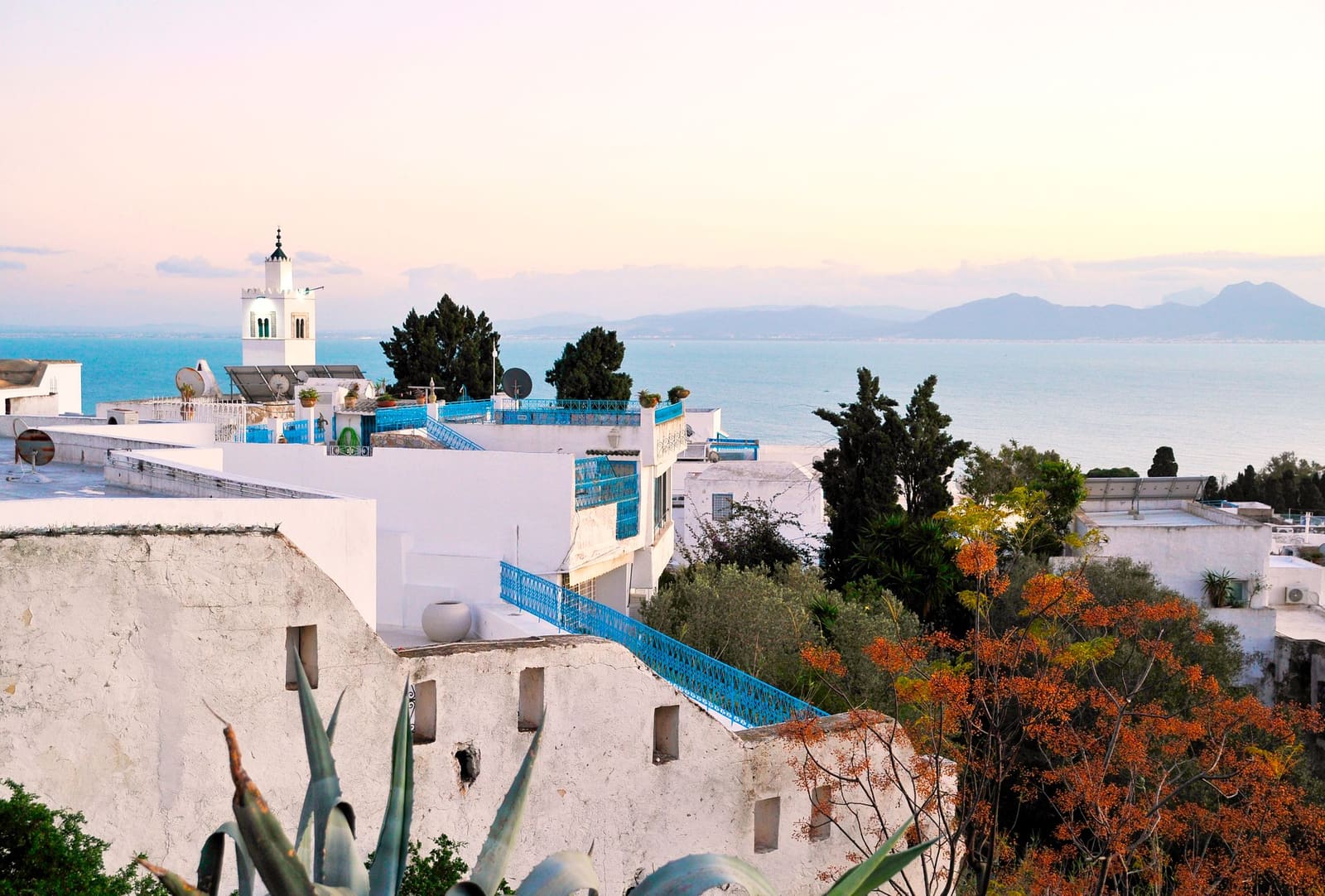
Tourism is another factor. Sidi Bou Saïd, the blue-and-white village on Tunisia's coast, has long drawn visitors. The new status may amplify that interest, raising questions about infrastructure and capacity. The same applies to Mount Olympus and other accessible sites.
The committee will reconvene next year to review progress, consider new nominations, and address any emerging threats. The list will keep growing, but the harder work happens after the announcement.