Dual Weather Systems Converge
Two separate storm fronts are moving across the United States this week, threatening to complicate journeys for what is typically the country's most congested travel window. One system is tracking inland from the Pacific north-west, while another is affecting the Atlantic seaboard and interior eastern regions.
The National Weather Service has warned that both systems will deliver bouts of intense rainfall and powerful gusts. With an estimated 81 million people expected to be on the move for Thursday's holiday, the timing could hardly be worse for those hoping for smooth journeys.
Weather forecasters are urging anyone planning to travel to monitor updates regularly and adjust departure times if necessary. The storms are not expected to clear quickly, meaning disruption could stretch into the holiday weekend.
Southern States Brace for Heavy Rainfall
Across the southern tier of the country, significant rainfall is forecast in the days leading up to Thanksgiving. Florida, Georgia, the Carolinas, Alabama, Mississippi and Tennessee are all in the path of wet weather that could make motorway driving hazardous and slow traffic to a crawl.
The combination of slick roads and high traffic volumes creates a particularly risky scenario. Southern states are less accustomed to winter weather preparation compared to northern counterparts, and even moderate rain can lead to accidents when highways are crowded.
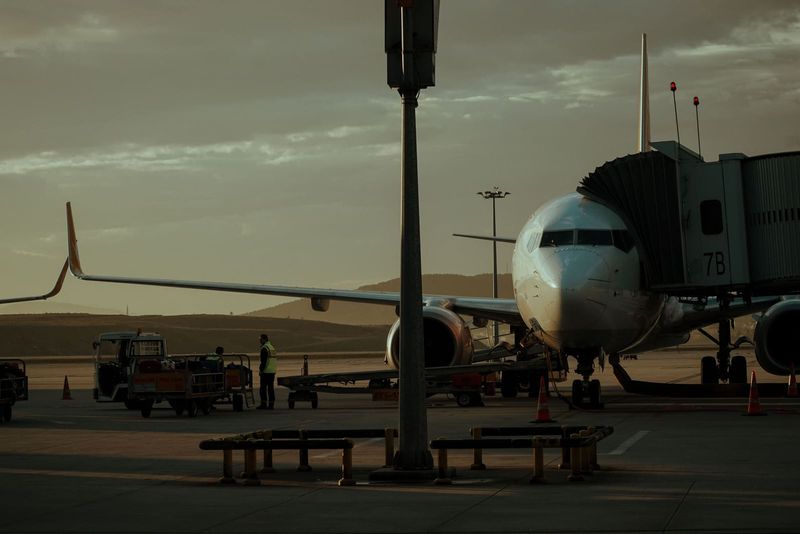
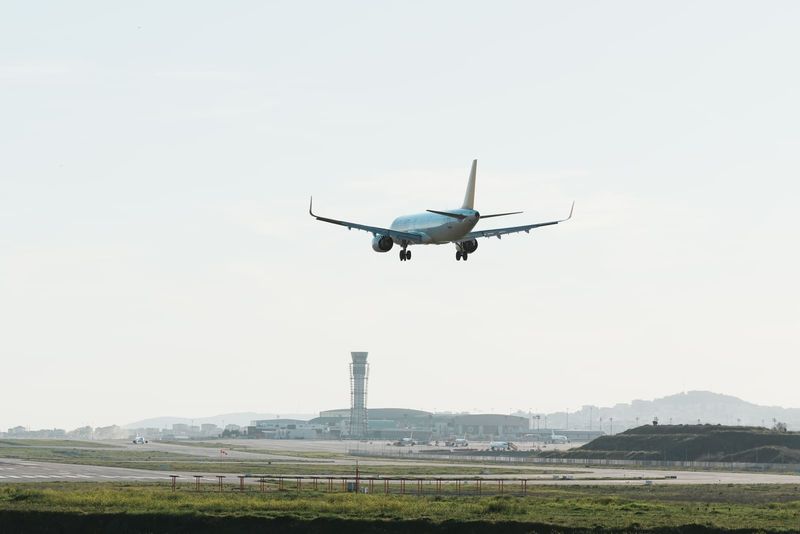
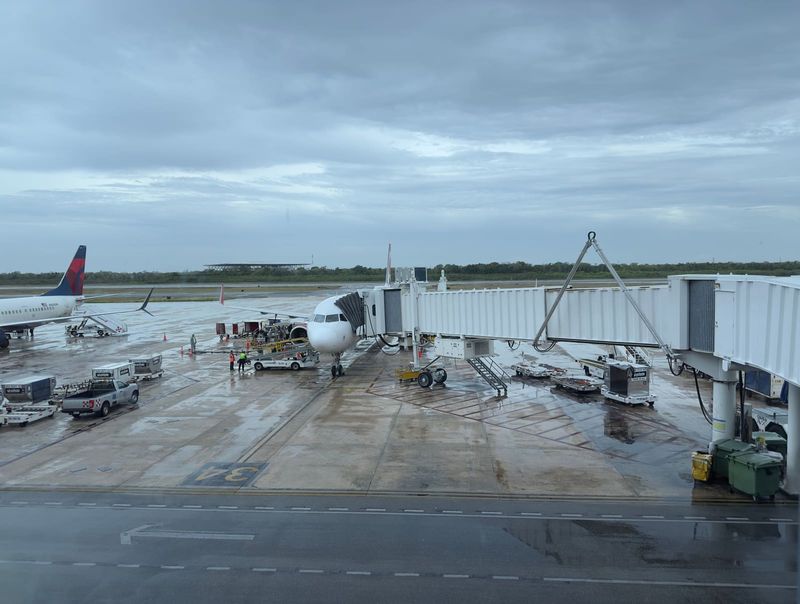
For air travellers departing from major southern hubs such as Atlanta, Charlotte and Nashville, delays are possible if storms linger over airport facilities. Ground crews often suspend operations during lightning or high winds, creating cascading schedule disruptions.
Midwest Faces Rain Turning to Snow
Further north, the weather picture is more complex. Parts of Missouri, Illinois and Iowa are expected to see rain that could transition into wet snow as temperatures drop. This type of precipitation is notoriously difficult to forecast precisely and can catch road crews off guard.
On Thanksgiving Day itself, several major Midwest airports may experience complications. Chicago, St Louis, Pittsburgh, Cincinnati and Detroit are all flagged as potential trouble spots. These cities serve as key connecting hubs, meaning delays there ripple outward across the national network.
Wet snow is particularly troublesome for aviation. It clings to aircraft and requires thorough de-icing, a process that takes time and can ground planes for extended periods. Passengers connecting through Midwest hubs should build extra buffer time into their itineraries.
California Coastline Faces Extreme Tidal Flooding
On the opposite coast, a different hazard is emerging. Seasonal high tides are coinciding with storm conditions to produce what forecasters are calling "major to extreme" coastal flooding along California's shoreline.
The San Francisco Bay Area is especially vulnerable. Low-lying coastal roads and car parks near the water's edge could become impassable, and travellers heading to or from the region's three major airports should anticipate possible detours and slowdowns.
Coastal flooding of this magnitude is not uncommon during winter months in California, but the overlap with peak holiday travel amplifies its impact. Residents and visitors alike are being advised to avoid unnecessary coastal routes and to check road conditions before setting out.
Mountain Snow Expected in Pacific North-West
The western storm system is also forecast to drop snow across higher elevations. Washington and Oregon will see mountain snowfall, with the possibility of wintry conditions extending into Idaho and Montana.
Mountain passes are critical arteries for road travel in the Pacific north-west, and even moderate snowfall can force closures or require chains. Drivers unfamiliar with winter mountain driving face particular risks, and rental car agencies often prohibit taking vehicles into chain-control zones.
For those flying into cities such as Seattle or Portland and then driving to mountain destinations, the weather could turn a straightforward journey into a multi-hour ordeal. Ski resorts and mountain lodges are likely to see delayed arrivals, even as the fresh snow improves conditions for winter sports.
Record-Breaking Travel Numbers
The scale of this year's Thanksgiving movement is striking. The AAA motor club projects that more than 72 million people will travel by car, a figure that underscores the holiday's enduring importance in American culture despite rising costs and logistical challenges.
Air travel, coach services and rail are expected to account for the remaining nine million journeys. Thanksgiving consistently ranks as the single busiest travel period in the United States, outpacing even the Christmas and New Year holidays.
The sheer volume of people on the move means that even minor disruptions can cascade into significant delays. A single closed motorway lane or a brief airport ground stop can create hours of knock-on effects.
Fuel Costs Add Financial Pressure
Travellers are also contending with elevated petrol prices. According to AAA data, regular petrol averaged $3.64 per gallon on Monday, six cents above the previous Thanksgiving record set in 2022.
The increase is attributed in part to geopolitical instability affecting global oil markets earlier this year. For families driving long distances, the additional cost is not trivial. A 500-mile round trip in a vehicle averaging 25 miles per gallon would cost roughly $73, compared to $66 at the 2022 price.
Higher fuel costs may not deter travel outright, but they do squeeze household budgets already stretched by inflation in food and accommodation. Some families are adjusting by shortening trips or consolidating visits to reduce mileage.
What Travellers Can Do
Flexibility is the most valuable asset in this environment. Those with the option to depart a day early or delay their return by a day may avoid the worst congestion and weather. Mid-morning and early afternoon departure times tend to be less crowded than early morning or late evening.
For drivers, checking real-time traffic and weather apps before and during the journey can reveal alternate routes or signal when it is better to wait out a storm. Packing extra water, snacks and warm clothing is prudent, particularly for those crossing mountain or rural areas where help may be hours away if conditions deteriorate.
Air passengers should confirm flight status before leaving for the airport and consider travel insurance that covers weather-related cancellations. Rebooking options can evaporate quickly when thousands of passengers are displaced simultaneously.
The convergence of record travel volumes, dual storm systems and high fuel prices makes this Thanksgiving one of the more challenging in recent years. Those who plan carefully and remain adaptable stand the best chance of reaching their destinations safely and on time.