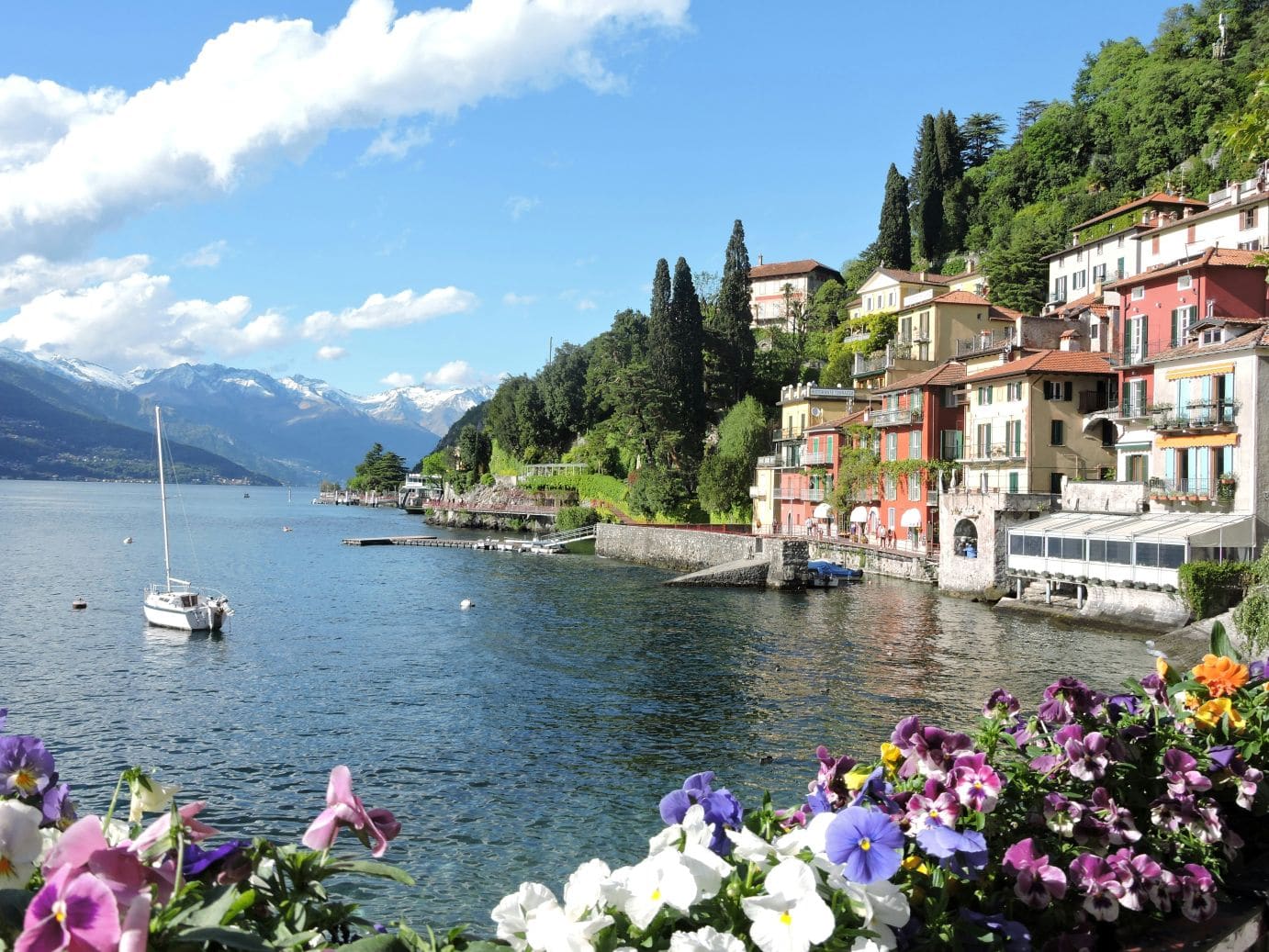
A Small Village, a Big Tourist Problem
Varenna, a former fishing village clinging to the eastern shore of Lake Como, has fewer than 700 permanent residents. But each year, hundreds of thousands of tourists pass through its narrow cobbled streets, drawn by colourful lakeside houses, historic architecture, and botanical gardens that spill down toward the water. The mismatch between population and visitor numbers has reached a breaking point.
The municipality has responded with a new dress code that carries real penalties. Visitors caught walking through town bare-chested or in swimwear now face fines ranging from €50 to €200. The rule applies in shops, restaurants, churches, public squares, and pedestrian streets. Beaches, piers, and boat docks remain exempt.
The measure is part of a wider package aimed at managing the strain on local infrastructure and daily life. Organised tour groups are now capped at 25 people, and guides are banned from using loudspeakers or voice-amplification devices. Groups are also instructed not to block alleyways or pedestrian walkways, though the restrictions do not extend to school trips or youth groups organised by parishes.
Why a Dress Code?
The rationale is straightforward. Varenna's appeal lies in its intimacy and authenticity, qualities that are easily eroded when visitor behaviour begins to resemble that of a beach resort rather than a historic village. Mayor Mauro Manzoni framed the tension clearly: the village is proud to welcome international visitors, but not at the expense of residents' quality of life.
Local business owners appear to support the move. One shop owner told Italian broadcaster TGCom24 that while beachwear is appropriate at the waterfront, it is out of place in shops, restaurants, and churches. Another described the dress code as long overdue, though enforcement remains the key challenge.
The fines are not symbolic. At €200, the maximum penalty is steep enough to make tourists think twice before wandering into a cafe in a bikini or swim trunks. Whether the rule will be consistently applied remains to be seen, but the signal is clear: Varenna is drawing a line.
A Broader Pattern Across Italy
Varenna is not alone. Across Italy, popular destinations are experimenting with similar measures as they try to balance tourism revenue with livability. In 2022, Sorrento introduced fines of between €25 and €500 for people walking around town in swimwear or without a shirt, citing what the then mayor called widespread indecorous behaviour.
Portofino has designated no-waiting zones and fines of up to €275 to prevent tourists from clustering in the village's most photogenic spots. Venice has capped organised tour groups at 25 people and banned loudspeakers, mirroring Varenna's approach. In Cinque Terre, visitors can face fines of up to €2,500 for wearing flip-flops on certain trails, a rule tied to safety rather than decorum but part of the same regulatory impulse.
These measures reflect a growing willingness among Italian municipalities to impose costs on behaviour that, while legal, undermines the character of a place. The tools vary, from dress codes to group size limits to access fees, but the underlying logic is consistent: tourism must be managed, not merely accommodated.
The Limits of Regulation
Dress codes and fines are blunt instruments. They can deter certain behaviours, but they do not address the root cause, which is volume. Varenna's population of 650 is simply too small to absorb hundreds of thousands of annual visitors without strain. Capping tour groups at 25 may reduce congestion on narrow streets, but it does not reduce the total number of people arriving by ferry or car.
There is also the question of enforcement. Italian municipalities have a mixed record when it comes to applying tourist regulations consistently. Fines that exist on paper but are rarely issued lose their deterrent effect. Varenna will need to commit resources to monitoring and penalising violations if the dress code is to have any real impact.
Still, the measure is worth noting because it represents a shift in tone. For years, Italian destinations marketed themselves aggressively, competing for tourist spending and international visibility. Now, some are pushing back, asserting that not all visitor behaviour is acceptable and that local interests matter. The dress code is as much a statement as it is a policy.
What It Means for Visitors
For travellers planning a visit to Varenna, the new rules are easy to follow. Pack a cover-up or a shirt to throw on when leaving the waterfront. Avoid blocking narrow streets if you are part of a group. Keep noise levels down. These are not onerous requirements, and they align with basic etiquette in most historic destinations.
The broader takeaway is that Italy is recalibrating its relationship with tourism. The country remains open and welcoming, but the assumption that visitors can behave as they please is no longer unchallenged. Varenna's dress code is one example of this recalibration, and it is unlikely to be the last.