The Accidental Tourist Trap
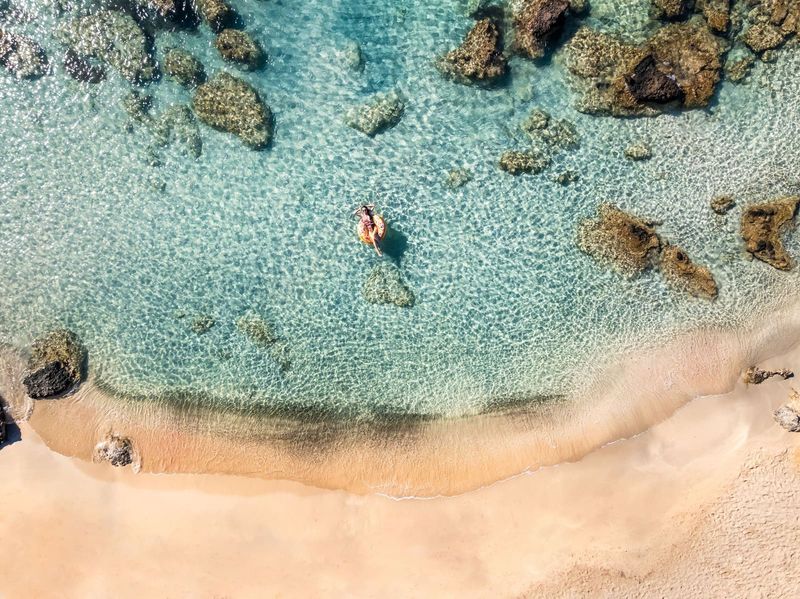
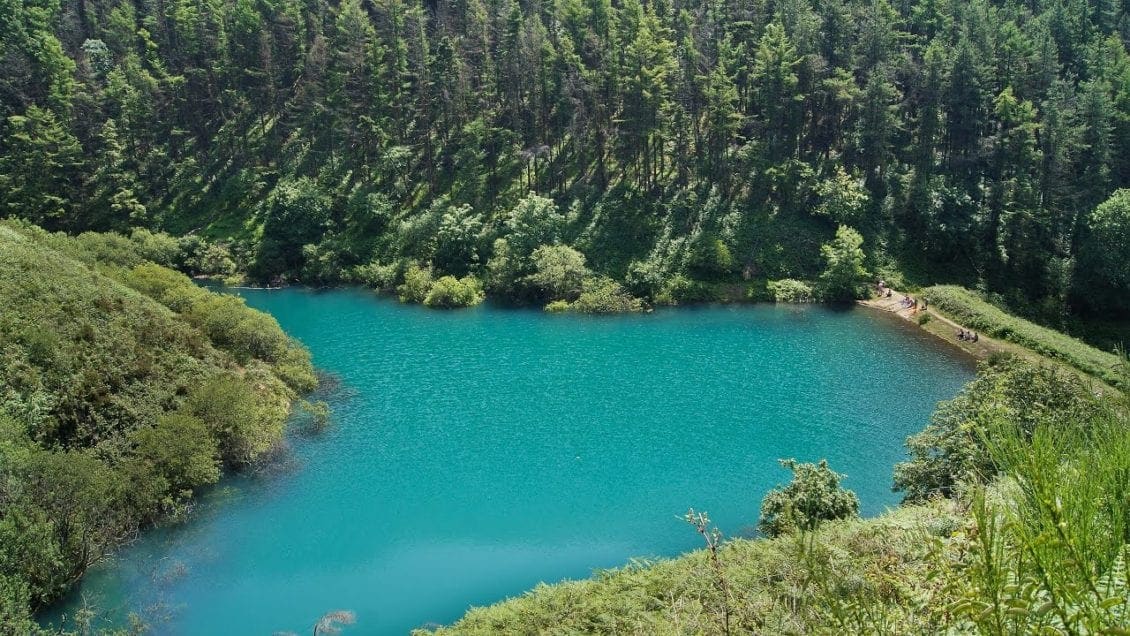
Brombil Reservoir sits in the hills near Port Talbot, a former colliery basin from the 1700s that spent most of its existence in quiet obscurity. Then came the pandemic. Locked-down travellers scrolling social media discovered its bright turquoise water, and the spot earned a new nickname: the Welsh blue lagoon. Hundreds of thousands of tags followed. So did the visitors, and with them, the problems.
The reservoir's vivid colour turns out to be less postcard and more warning sign. According to site management, the hue comes from blue-green algae that produce toxins harmful to humans and dogs alike. Skin rashes, eye irritation, nausea, and vomiting are all documented effects. Yet the photographs kept circulating, and people kept coming.
In 2024, Leisure Estate Investments bought the site for £20,000, roughly €23,600. The price reflected the state of things: a steep 900-metre footpath now clogged with rubbish, an ageing dam face, and a steady stream of wild swimmers, hikers, and motorcyclists treating the place like public parkland. It was never designed for that kind of traffic.
The New Rules
The company has now installed barriers on the dam and introduced a £2 maintenance fee for anyone who enters. Swimming, hiking, motorcycling, filming, and camping are all banned without prior approval. A statement from Leisure Estate Investments frames the move as a safety measure. "The reservoir is currently a high-risk infrastructure site and remains private property," the company said. "Our long-term goal is to safely open this site for community health and well-being."
The fee, they add, will support rubbish removal, vegetation management, flood channel cleaning, biodiversity work, and structural repairs. The message is clear: if you visit, you help pay for the upkeep. Entry remains at your own risk.
The restrictions have drawn mixed reactions online. Some commenters on platforms like Reddit have questioned whether the owners understood what they were buying. Others see the fee as reasonable, given the cost of maintaining a site that was never meant to handle crowds. The tension reflects a broader issue: what happens when social media turns a forgotten piece of infrastructure into a destination overnight?
The Mismatch Between Image and Reality
Brombil Reservoir is not the first place to discover that virality and visitor management do not always align. The gap between how a location looks online and what it can actually offer in person has become a recurring theme in travel. The reservoir's owners describe it as "perfect for nature enthusiasts, adventurers, filming and those with a keen interest for ecology." But the current state of the site tells a different story.
The footpath is steep and littered. The water is toxic. The infrastructure is old and, by the company's own account, risky. Yet the pull of that blue water remains strong enough that barriers and fees are now part of the landscape. Whether those measures will deter visitors or simply shift the dynamic is an open question.
For now, the reservoir sits in a kind of limbo. It is private property with public appeal, a beauty spot with a health warning, and a viral sensation trying to become a managed leisure facility. The £2 fee is both a practical tool and a test: can a price tag help turn an accidental tourist trap into something sustainable?
The answer will depend on whether visitors are willing to pay for access to a place that social media made famous but reality has made complicated. The blue lagoon is still there, still photogenic, still toxic. What changes is who gets to decide what happens next.