When Going Viral Backfires
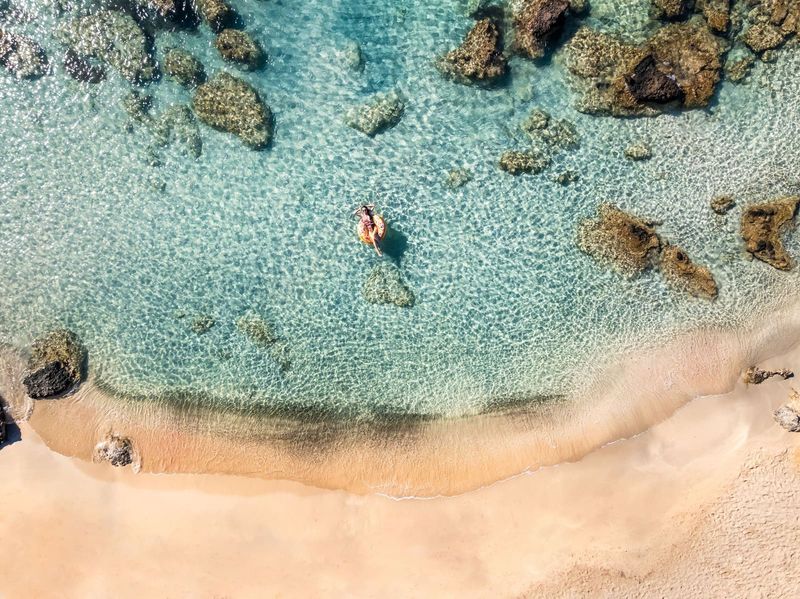
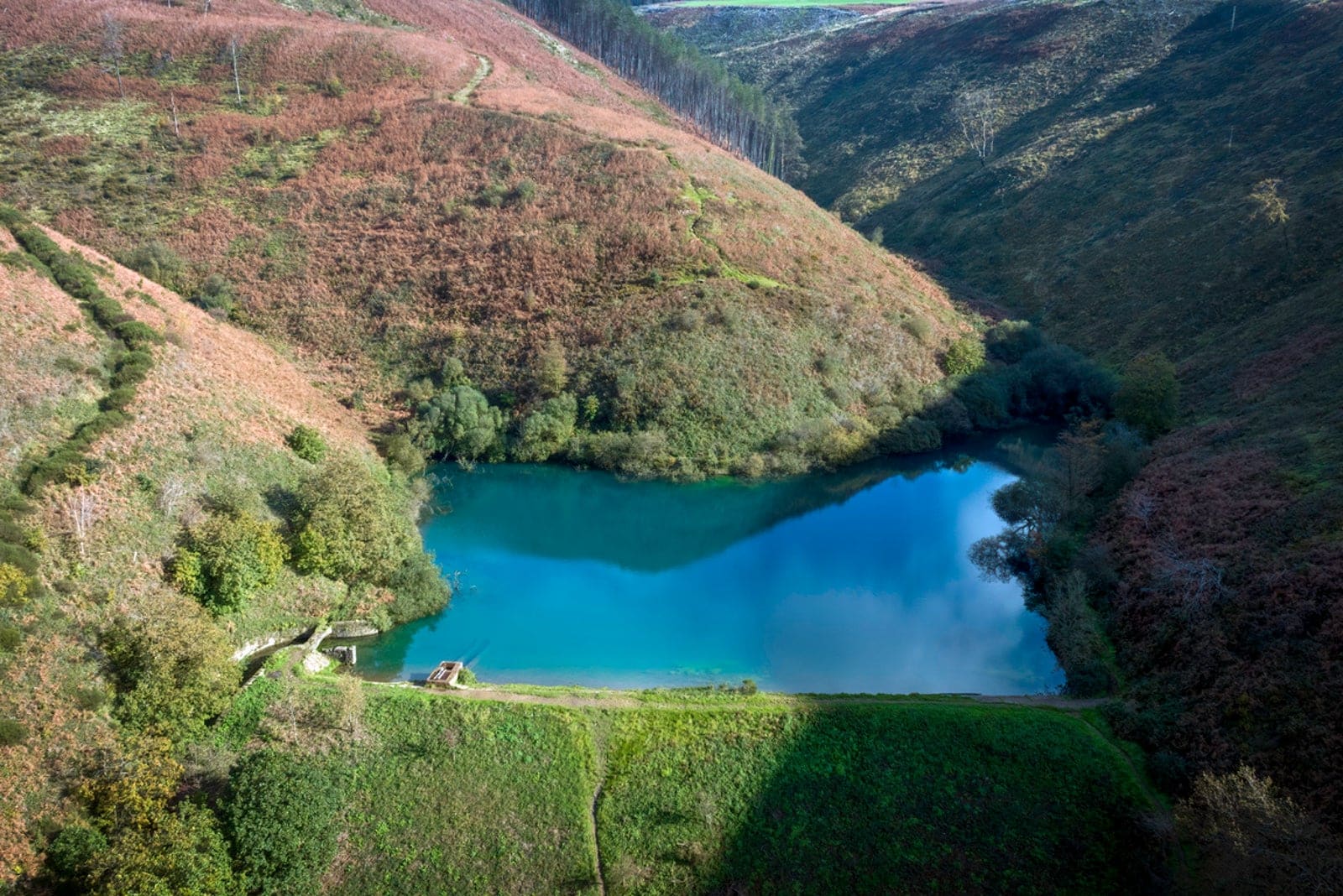
Brombil Reservoir sits in a valley on Margam mountain near Neath Port Talbot, its water an improbable shade of turquoise that photographs beautifully. During the pandemic lockdowns, when people scrolled endlessly and outdoor escapes felt vital, the spot exploded on TikTok. Locals had long called it the "blue lagoon," but suddenly everyone else wanted to see it too.
The surge in visitors created problems the site was never equipped to handle. Traffic clogged the narrow roads leading to the reservoir. Litter piled up along the steep 900-meter public footpath that climbs to the water's edge. What had been a quiet, if striking, piece of Welsh countryside became a flashpoint for overtourism on a micro scale.
Now the reservoir's owners are taking an unusual step: they are actively discouraging people from visiting at all.
A £2 Fee and Physical Barriers
Leisure Estate Investments Ltd, which acquired the reservoir in 2024, has introduced a £2 maintenance levy per visit and installed barriers across the dam face. According to local reports, some trespassers have removed those barriers, underscoring the tension between the site's viral fame and its capacity to absorb crowds.
The company's stated long-term aim is to open Brombil Reservoir safely for public use, emphasizing community health and well-being. But in the meantime, management has banned all activities without prior consent: swimming, hiking, motorcycling, filming, and camping are off-limits.
In a statement posted on social media earlier this summer, the management team described the reservoir as "a high-risk infrastructure site" that remains private property. They framed the £2 charge as a "temporary deterrent" and warned that anyone entering does so entirely at their own risk.
The Cost of Maintaining a Viral Landmark
The fee, according to the owners, will fund unglamorous but necessary work: clearing rubbish, cutting back vegetation, cleaning flood channels, protecting local biodiversity, and repairing structural damage. Managing a reservoir is not cheap, especially one that has become a magnet for social media pilgrims.
The company warned that unauthorized activities are strictly prohibited and that it reserves the right to pursue legal action against individuals or organizations acting without written consent. It is a firm stance, but one that reflects the reality of trying to manage a piece of infrastructure that doubled as an accidental tourist attraction.
From Auction Block to Battleground
The reservoir's recent history adds another layer to the story. It was auctioned off in September 2024 for £20,000, well below the initial guide price of £75,000. The sale suggests that owning a viral beauty spot is not necessarily a lucrative proposition, especially when the costs of maintenance and liability mount.
The company's website describes the area as ideal for nature enthusiasts, adventurers, filmmakers, and those interested in ecology. That language hints at the kind of controlled, managed access the owners envision, a far cry from the free-for-all that followed the TikTok surge.
The Broader Pattern
Brombil Reservoir is hardly unique. Across the world, social media has turned obscure natural sites into overnight sensations, often with damaging consequences. A single viral post can bring thousands of visitors to places with no parking, no facilities, and no capacity to absorb the impact. Local residents bear the brunt: blocked driveways, trampled vegetation, discarded waste.
What makes the Brombil case striking is the owners' willingness to push back so directly. Rather than trying to capitalize on the attention or retrofit the site for mass visitation, they are attempting to slow the flow. Whether a £2 fee and a few barriers will be enough remains to be seen, but the message is clear: not every beautiful place is meant to be shared with everyone.
For now, the turquoise waters remain, as photogenic as ever. But the invitation to visit has been rescinded, replaced by a warning and a reminder that infrastructure, ecology, and private property still matter, even in the age of the algorithm.