When Common Items Become Contraband
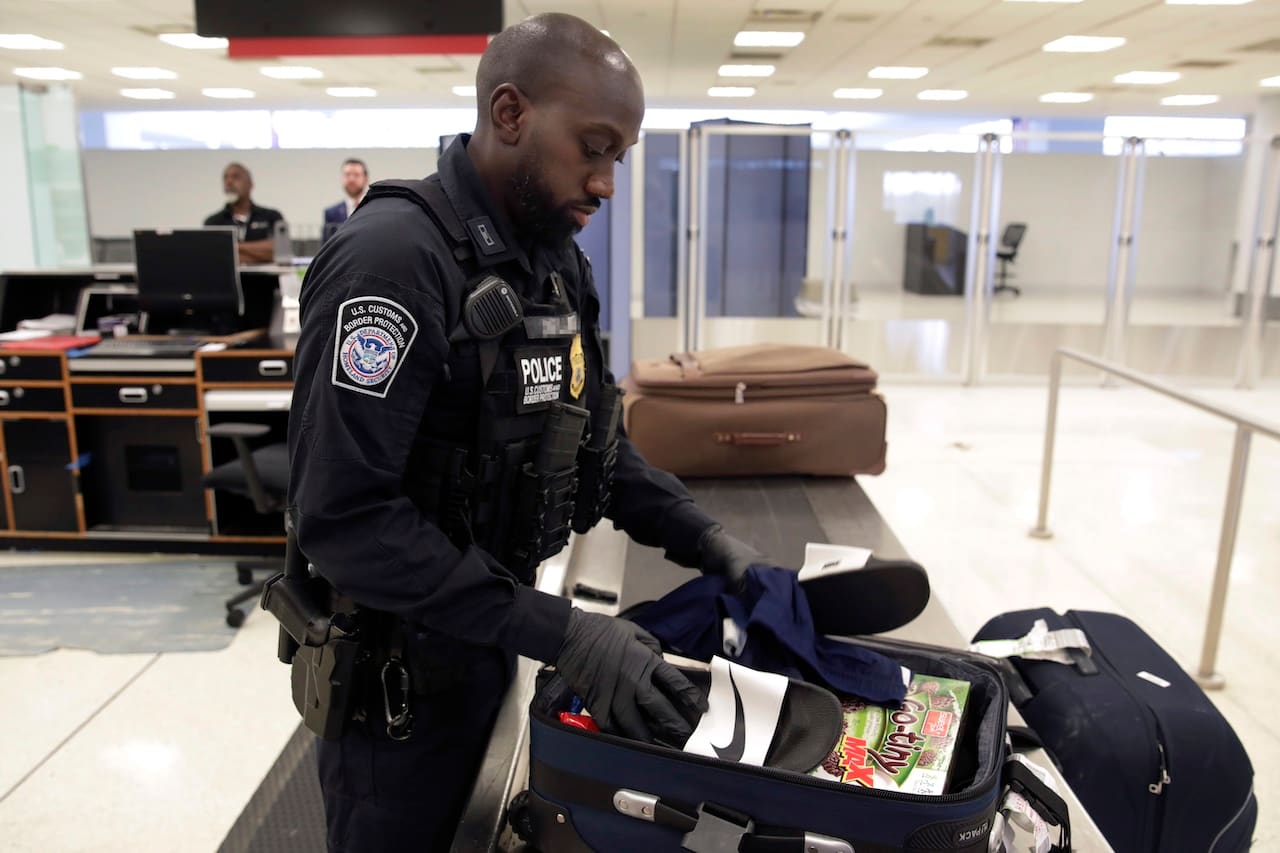
Airport security restrictions have grown more complex than the familiar liquid limits and sharp-object bans most travelers expect. The US Transportation Security Administration enforces rules that extend to bowling balls, cast iron skillets, and even foam toy swords. Civil penalties for packing prohibited items can reach $17,062, according to the TSA, though the actual fine depends on the circumstances and severity of the violation.
The restrictions reflect shifting concerns about fire risk, weight, and cabin safety rather than just traditional security threats. Some items are banned only from carry-on luggage, while others cannot go anywhere on the plane. The logic behind each rule varies, and travelers who assume common sense will guide them through security often find themselves caught off guard.
The Phone That's Still Grounded
One of the most specific bans remains in place for the Samsung Galaxy Note 7, a smartphone recalled in 2016 after lithium-ion batteries in some units overheated, caught fire, or exploded. Physical flaws in the battery design caused short circuits, creating risks serious enough that the TSA prohibited the device from all flights, both in the cabin and in checked bags.
The ban has outlasted the phone's commercial life by nearly a decade. While most travelers have long since moved on to newer models, the restriction underscores how lithium battery failures can ground entire product lines. The Note 7 case also helped shape broader TSA policy on batteries, which now prohibits spare lithium batteries and most battery-powered devices from checked luggage unless the battery is installed in the device and the device is turned off.
Weight, Shape, and Fire Risk
Bowling balls must travel in checked luggage because of their weight and potential to injure passengers or crew if they shift during turbulence. Cast iron cookware follows the same rule, not because it poses an immediate danger but because its heft and hardness make it unsuitable for the overhead bin.
Cordless curling irons present a different challenge. Many models contain lithium batteries, which the TSA requires to stay in the cabin where crew can respond quickly to smoke or overheating. Travelers who pack cordless styling tools in checked bags risk having them confiscated or facing fines.
Electronic cigarettes and vaping devices fall under the same battery rule. They must remain in carry-on luggage, where any malfunction can be spotted and addressed before it spreads. The restriction applies even to devices that are turned off or have removable batteries.
The Liquid Rule's Odd Corners
Snow globes often surprise travelers at security checkpoints. If the liquid inside exceeds 3.4 ounces, roughly 100 milliliters, the globe cannot pass through in carry-on luggage. Gel candles can also be flagged under the same liquid and gel restrictions, depending on their composition and container size.
The 100-milliliter rule has become one of the most recognizable aspects of airport security in the US and many other countries. But it includes exceptions that matter to families traveling with young children. Breast milk, infant formula, toddler drinks, and baby food can exceed the limit and still pass through security. These items are classified as medically necessary, and ice packs used to keep them cold are also allowed.
Travelers carrying these liquids should remove them from their bags before screening and inform the TSA officer. Keeping them accessible speeds up the process and reduces the chance of confusion at the checkpoint.
Tools, Toys, and Corkscrews
Screwdrivers longer than seven inches are banned from carry-on luggage, though shorter ones are permitted. The length threshold reflects concern about potential use as a weapon rather than any inherent danger in the tool itself. Corkscrews with blades attached face similar restrictions, while basic corkscrews without blades can travel in the cabin.
Even foam toy swords are prohibited in carry-on bags. The TSA treats them as replica weapons, regardless of their material or intended use. Parents packing for a trip that includes a costume or play set should plan to check these items or leave them at home.
Where Airlines Add Their Own Rules
TSA rules set a baseline, but airlines can impose additional restrictions. An item that clears federal security standards may still be prohibited by a carrier's own policies, particularly for international flights or routes that involve multiple operators. Checking both the TSA website and the airline's baggage rules before packing reduces the risk of surprises at the gate.
The layered nature of these restrictions means that travelers cannot rely on a single checklist. Battery-powered items, liquids, and anything that could be classified as a tool or weapon require extra attention. The consequences of guessing wrong range from minor inconvenience to significant fines, making advance research a practical step for anyone traveling with anything beyond clothing and basic toiletries.
The Cost of Not Checking
The $17,062 maximum penalty reflects the TSA's authority to impose civil fines for security violations, not just criminal charges. Most travelers who inadvertently pack a prohibited item will not face the maximum fine, but the agency has discretion to escalate penalties based on the nature of the item and whether the traveler appears to have disregarded warnings.
Even without a fine, having an item confiscated at security creates delays and can mean losing something valuable or difficult to replace. Travelers who pack cast iron cookware, specialty tools, or battery-powered devices should verify the rules before they reach the airport. The TSA website includes a searchable tool that lists specific items and indicates whether they are allowed in carry-on luggage, checked bags, or neither.
For most travelers, the list of prohibited items will never matter. But the range of restrictions, from decades-old smartphones to snow globes, shows how airport security has evolved beyond the obvious threats into a system that tries to manage a wide array of risks, some of them vanishingly rare.