The Warning Labels
Before arriving in Prishtina, the warnings were everywhere. Online threads and travel videos urged visitors to skip Kosovo's capital entirely. Head straight to Prizren, they said. That's where the charm lives. One comment summed it up bluntly: give Prishtina a miss, Prizren is much prettier.
The pattern felt familiar. Tirana had received similar treatment, with travelers rating it mediocre and advising others to move on quickly to beaches or mountains. Yet spending time in the Albanian capital had proven rewarding, the kind of place that grows on you when you stop treating it like a checklist.
So Prishtina got a chance.
What Boring Actually Offers
The city doesn't hide what it is. Brutalist architecture dominates. Communist-era apartment blocks line the streets. Cafes fill with cigarette smoke. There's no postcard-ready old town, no cascade of must-see landmarks.
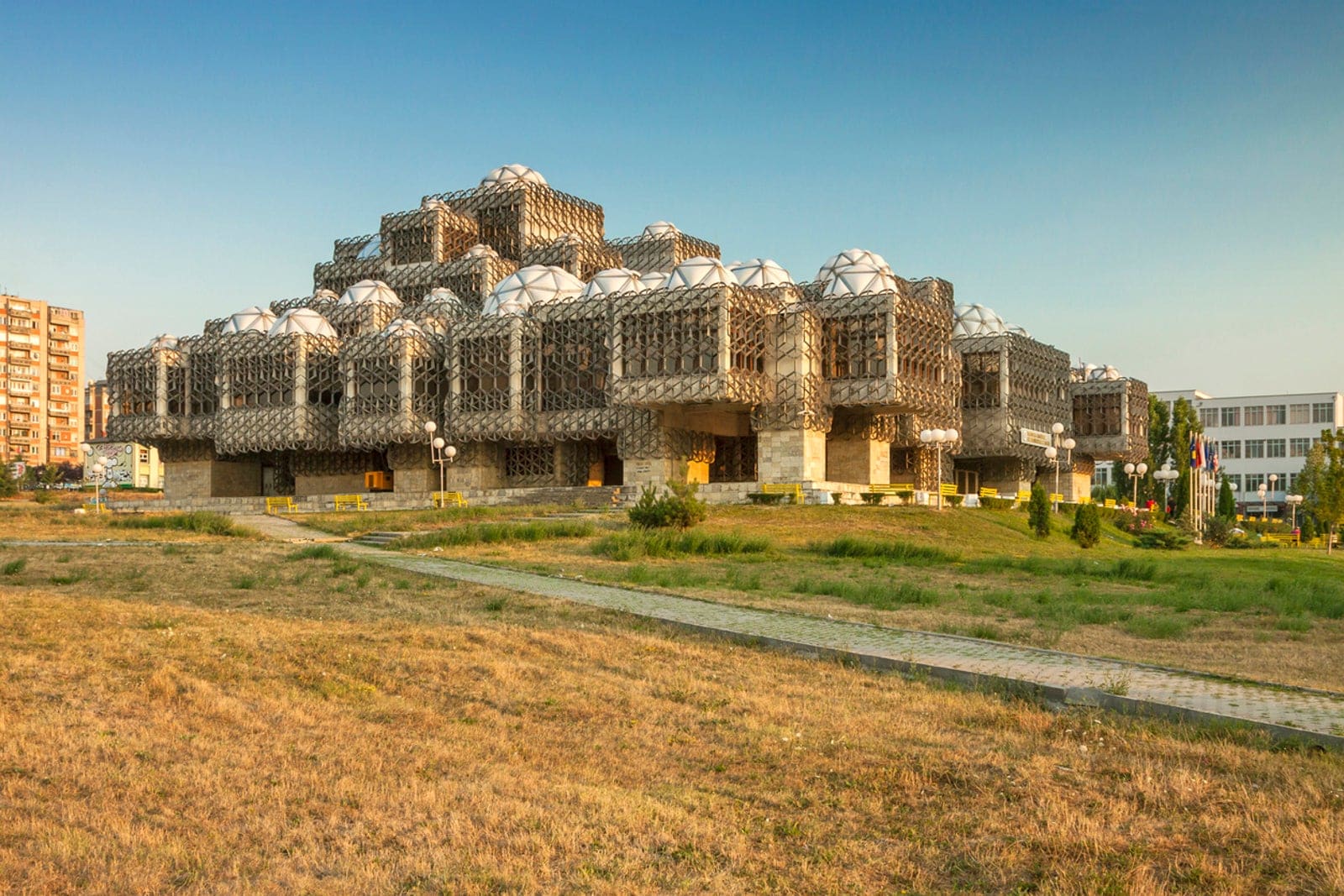
What exists instead are wide boulevards where people actually walk, squares where locals gather to drink coffee long after the sun sets, and a pace that doesn't demand anything from visitors. The National Library, frequently mocked online as one of Europe's ugliest buildings, stands as a deliberate reminder of the country's layered past. The Newborn Monument does the same. A statue of Bill Clinton adds an odd footnote to the city's story.
But the real gift of a place labeled boring is the absence of obligation. When there's no famous restaurant to queue for, no iconic viewpoint to photograph, no packed itinerary to execute, travel shifts. You end up in small cafes no one wrote about. You walk through parks without a map. You browse bookshops, talk to people, notice details. The rhythm of the city becomes visible because you're not racing past it.
The Prettier Alternative
Prizren, an hour south by road, delivers everything Prishtina doesn't. Cobbled streets wind through a town cradled by the Sharr Mountains. Ottoman architecture lines the river. A stone bridge arches over the water, and the history stretches back centuries.
On a warm weekend, the contrast was stark. Tourists filled the cafes by the water, browsed shops around the main square, posed for photos on the bridge. The town was undeniably beautiful, its appeal easy to understand. It looked the way a charming European destination is supposed to look.
The Case for Both
Prishtina and Prizren aren't in competition. They tell different parts of the same story. One is polished and historic, the other gritty and immediate. Together, they offer a fuller picture of Europe's youngest country than either could alone.
The instinct to rank them misses the point. Prettier doesn't always mean better, and boring often means something else entirely. It can mean a place that doesn't perform for visitors, that doesn't package itself for easy consumption. Those places require more patience, but they also reward it differently.
Travel advice online tends to optimize for efficiency and visual impact. Go here, skip that, spend exactly this many hours. It's useful information, but it flattens the experience. Some cities need time to unfold. They don't announce their value immediately.
What Gets Lost in the Scroll
The pressure to maximize every trip, to see the famous things and eat at the right places, creates a specific kind of exhaustion. It also creates a specific kind of travel, one where you move through a city without ever quite landing in it.
Prishtina doesn't ask for that. It doesn't offer enough famous sights to fill a packed itinerary. What it offers instead is permission to slow down, to spend an afternoon doing very little, to let a place reveal itself without forcing it.
That's not a consolation prize. It's a different category of experience, one that's harder to photograph and harder to explain in a quick review. It's also increasingly rare.
The cities that get dismissed online, the ones labeled ugly or boring, often have something in common. They're not trying to be anything other than what they are. They're working cities, living cities, places where daily life happens in full view. That's not always pretty, but it's often more interesting than pretty.
Kosovo is still figuring out its identity as a destination. It doesn't have the infrastructure or polish of places that have been hosting tourists for decades. That rough edge is part of the appeal. Prishtina especially feels unfinished, still in motion, a city that hasn't decided what it wants to be when visitors are watching.
The Verdict from the Ground
Spending time in both cities makes the binary choice seem silly. Why pick one? They're close enough to visit in the same trip, different enough to justify visiting both. Prishtina offers something Prizren doesn't, and the reverse is equally true.
The lesson isn't specific to Kosovo. It applies anywhere social media has decided what's worth seeing and what's not. Those verdicts are often based on surface appeal, on how a place photographs, on whether it delivers an obvious return on the time invested. But travel that only chases those returns misses entire categories of experience.
The boring cities, the ugly ones, the places people say to skip: they're often where you find the room to breathe. Where you stop performing the role of traveler and just exist somewhere new for a while. Where you're not competing for space or views or reservations. Where the city doesn't care if you're there or not, and that indifference becomes a kind of freedom.
Prishtina won't be everyone's favorite city. It doesn't need to be. But writing it off based on a few online comments means missing what it actually offers. And what it offers, it turns out, is exactly what a lot of travelers say they want: authenticity, affordability, and the chance to experience a place without the crowds.
Sometimes the best recommendation is to ignore the recommendations.