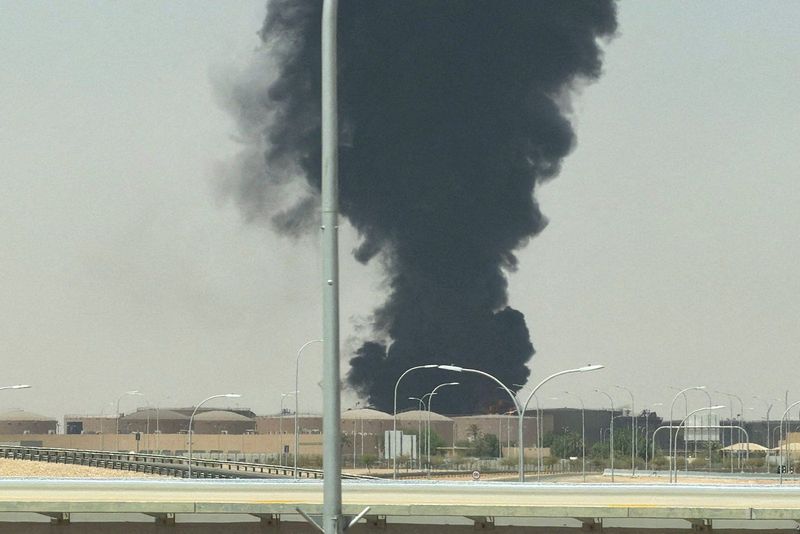
What's Happening in the Air
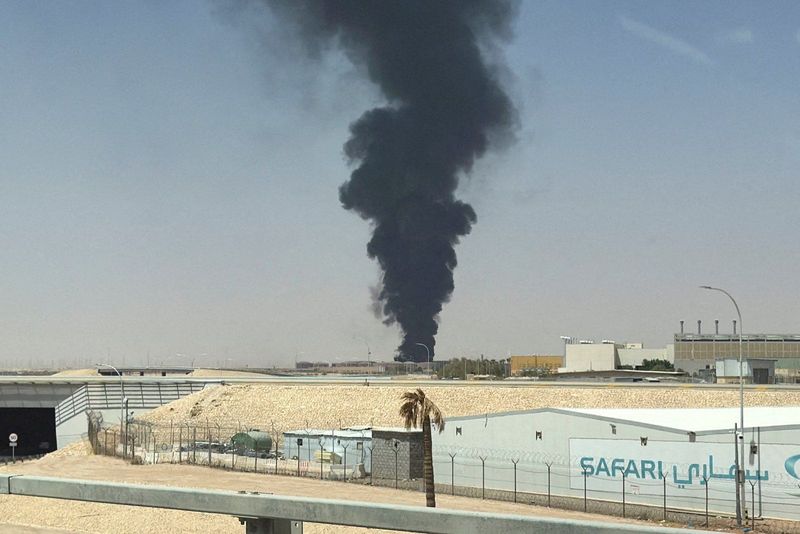
Grey skies have replaced the usual tropical blue across parts of Southeast Asia, and it's not just overcast weather. Smoke from fires in Indonesia is drifting across borders, mixing with local emissions and dry-season conditions to create haze that's affecting visibility and air quality in several Malaysian regions.
As of mid-August, eleven of Malaysia's 68 air-quality monitoring stations were recording "unhealthy" readings on the Air Pollutant Index (API), according to the Department of Environment. Two locations in Sarawak, Serian and Tebedu, had climbed into the "very unhealthy" category with API readings above 200. Kuching registered 177.
The pattern is familiar to anyone who has spent time in the region during dry months. Fires clear land for agriculture, drought makes vegetation more flammable, and prevailing winds carry smoke hundreds of kilometres from its source. This year, El Niño is contributing to an especially severe dry season in Indonesia, creating conditions that allow fires to spread more easily and smoke to linger longer.
Where the Haze Is Concentrated
Sarawak is seeing the heaviest impact at the moment. Serian and Tebedu, both in the state's southwestern corner, recorded API readings above 200 on August 12, putting them in the "very unhealthy" range. Kuching, the state capital and a common entry point for travellers, was at 177.
On Peninsular Malaysia, Cheras, Putrajaya, and Shah Alam were also recording unhealthy levels. But air quality can vary sharply between locations, even within the same city. A reading in one neighbourhood doesn't necessarily reflect conditions a few kilometres away, so checking your specific location matters more than making assumptions about the country as a whole.
What the Numbers Mean for Travellers
Malaysia's API uses a straightforward scale. Readings between 101 and 200 are classified as unhealthy, while 201 to 300 is very unhealthy. At these levels, health authorities recommend that everyone reduce prolonged or strenuous outdoor activity. Children, older adults, pregnant women, and anyone with respiratory or heart conditions should take extra care.
If you start to feel chest discomfort, shortness of breath, or other unusual symptoms, move indoors and seek medical attention if the symptoms persist. The air itself won't make you immediately ill, but extended exposure at higher pollution levels can aggravate existing conditions and make breathing uncomfortable.
Adjusting Your Plans Without Cancelling Them
You don't need to lock yourself in your hotel room, but flexibility helps. If the air quality is poor on a day you had planned to hike, cycle, or spend hours walking around a market, consider swapping those activities for indoor alternatives. Malaysia has plenty of museums, galleries, shopping centres, and air-conditioned cultural spaces that let you keep exploring without inhaling smoke.
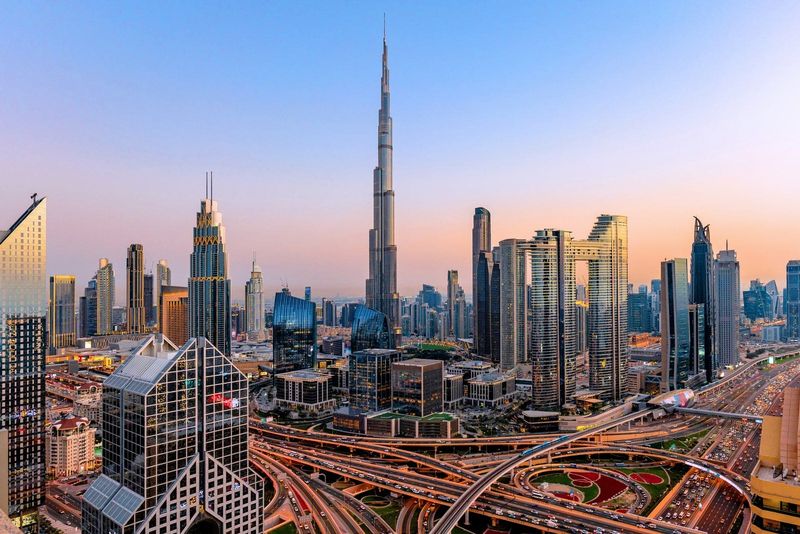
If you're hoping to catch a famous view or photograph a skyline, check the haze levels first. Poor visibility can turn an iconic vista into a washed-out blur, and you might prefer to wait a day or two for clearer conditions.
Flights and Visibility
Severe haze can reduce visibility around airports, and in extreme cases, that can affect flight schedules. If you're flying out of an area with poor air quality, check with your airline or the airport before heading there, especially if visibility is noticeably low. Most flights operate normally during haze, but it's worth confirming if conditions are particularly bad.
Practical Steps for Protection
When air quality drops, a few simple adjustments can make a difference. Keep outdoor activities shorter and less intense. If you need to be outside, consider wearing a well-fitting mask, the kind designed to filter fine particles. Keep windows closed when you're indoors, and use air conditioning on recirculation mode if available. Stay hydrated, take breaks indoors, and check local air-quality readings before you head out each day.
The Department of Environment's Air Pollutant Index Management System (APIMS) provides real-time readings across Malaysia. It's worth bookmarking if you're spending more than a day or two in an affected area.
How Long This Will Last
There's no fixed timeline. Rain can wash smoke out of the air and improve conditions quickly, while a shift in wind direction can clear one area and bring haze to another within hours. As long as fires continue and dry conditions persist, smoke will keep moving across the region.
The most practical approach is to check conditions daily and adjust your plans accordingly. Haze isn't a reason to avoid Malaysia, but it is a reason to stay informed and be willing to change what you do on a given day based on what the air is actually doing.