The Paradox of Hospitality
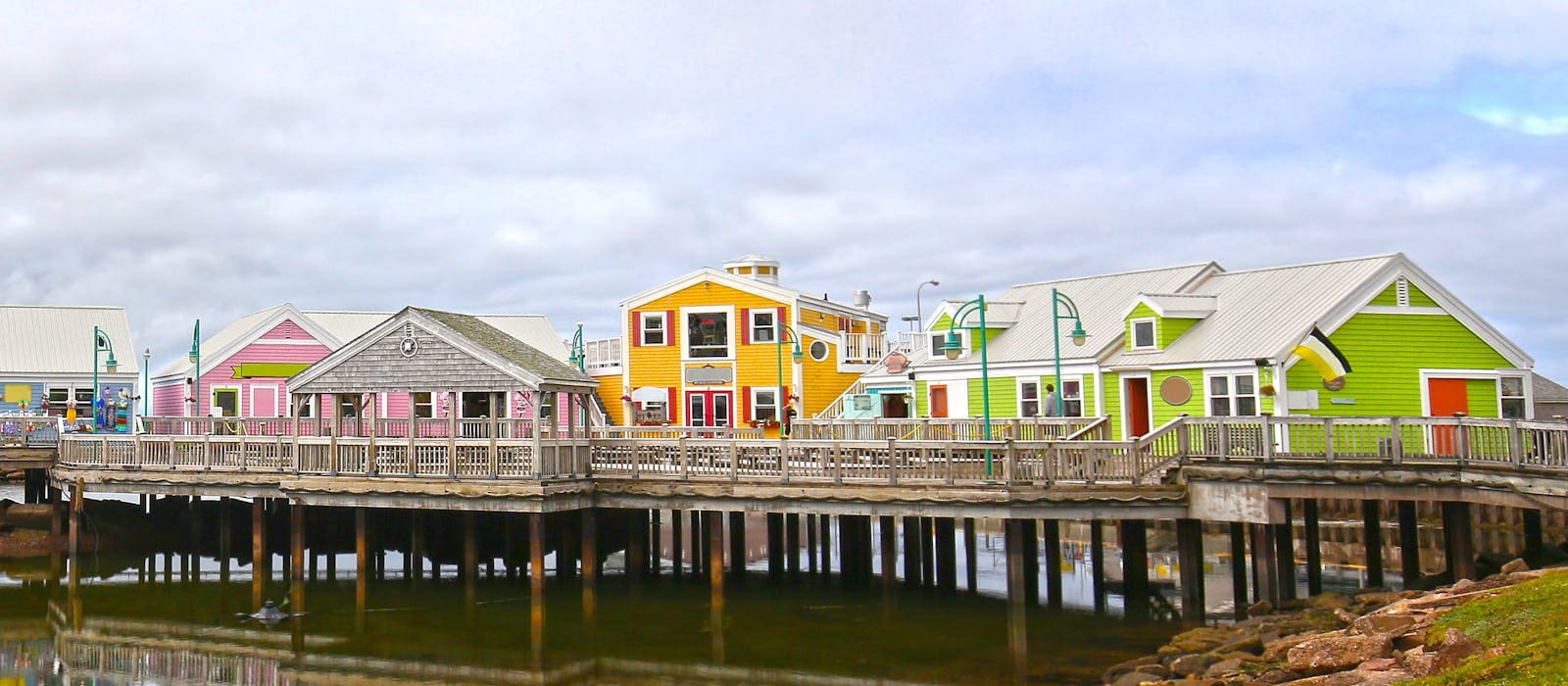
Prince Edward Island sells itself on charm. Colourful harbours, pastoral landscapes, and a reputation for warmth that draws visitors year after year. But during the pandemic summer of 2020, when the province closed its borders to outsiders, reports surfaced of dirty looks, hostile messages, and even vandalism aimed at cars with out-of-province plates. Islanders, having largely avoided COVID-19, wanted to keep it that way.
The hostility was understandable in context. What made it striking was how sharply it contradicted the Island's carefully cultivated image. Yet research into the province's tourism history reveals that this tension is not new. For as long as visitors have been arriving, some Islanders have resented them.
A Century of Mixed Feelings
The ambivalence runs deep. In 1908, Prince Edward Island banned automobiles, partly to keep out speed-obsessed outsiders. The ban worked, but within a few years, the lure of tourist dollars proved stronger than the desire for isolation. The province reversed course.
By the 1920s and 1930s, some hotels were charging visitors double what they charged locals. In 1929, an American geographer described Islanders as viewing strangers with suspicion until their intentions became clear, occasionally threatening arrest based on nothing more than unfamiliarity. Once satisfied a visitor meant no harm, he wrote, Islanders would show warmth.
As tourism grew more central to the economy, criticism grew louder. Some residents saw the industry as frivolous, a distraction from fishing and farming. One provincial cabinet minister in the 1930s dismissed the entire enterprise, complaining in the legislature that tourists brought home a dirty shirt and left with all the strawberry jam.
Teaching Islanders to Be Hosts
By 1973, the provincial Department of Tourism felt compelled to publish advertisements instructing residents on how to engage with visitors. The ads offered tips: speak slowly and clearly, but do not shout. Be enthusiastic about local attractions. Be friendly, helpful, hospitable.
The condescending tone backfired. Rather than encouraging better hospitality, it sparked resentment at government attempts to dictate behaviour. The backlash fed into the creation of a semi-satirical protest group named after Cornelius Howatt, the sole legislator to vote against joining Canadian Confederation.
That undercurrent of resistance has persisted. The Island remains caught between economic necessity and cultural friction.
The Weight of Being Watched
Prince Edward Island is hardly alone in this. Every destination that depends on tourism could compile a similar history of tension. Tourism demands that a place be more than itself. It must conform to what visitors want to see, whether that aligns with reality or not.
The visitor arrives looking for something specific in the landscape and people, and often finds exactly what they expect to find. But the host is also observing. Because the tourist pays, the exchange becomes both a market survey and an act of self-discovery for the destination.
For Prince Edward Island, tourism over the past 150 years has pushed the province in two directions at once: to change and accommodate visitor needs, and to stay frozen in time, simple and pastoral, to accommodate visitor fantasies. It is no surprise that some residents bristle at what the industry demands, starting with the expectation that they must always play host, whether they want to or not.
The Economics of Resentment
Yet hostility is far from universal. For every person glaring at an out-of-province plate, there are likely twenty Islanders relieved to see cars from away returning. Those vehicles signal not just a return to normalcy, but the return of tourist spending.
Tourism contributes a larger share to Prince Edward Island's gross domestic product than it does to any other Canadian province. Residents could not simply walk away from the industry, even if a majority wanted to. Over the past century and a half, tourism has shaped both the economy and the image of the Island. It has helped define who Islanders are.
This creates a bind. The industry that sustains the province also demands constant performance. Residents must balance economic survival with the fatigue of being perpetually on display, of having their home exist as much for outsiders as for themselves.
The Performance Never Ends
The pandemic offered a brief respite, a rare moment when the Island could close its doors. But that closure also revealed how deeply tourism is woven into the fabric of the place. The tension that surfaced during those months was not an aberration. It was a continuation of a pattern stretching back more than a century.
Prince Edward Island will continue to welcome visitors. The economy depends on it, and many residents genuinely enjoy the exchange. But the welcome will always carry an edge, a reminder that hospitality, when it becomes a job, can wear thin. The Island has learned to live with this contradiction, even if it has never fully resolved it.