A Mediterranean Epic Goes Global
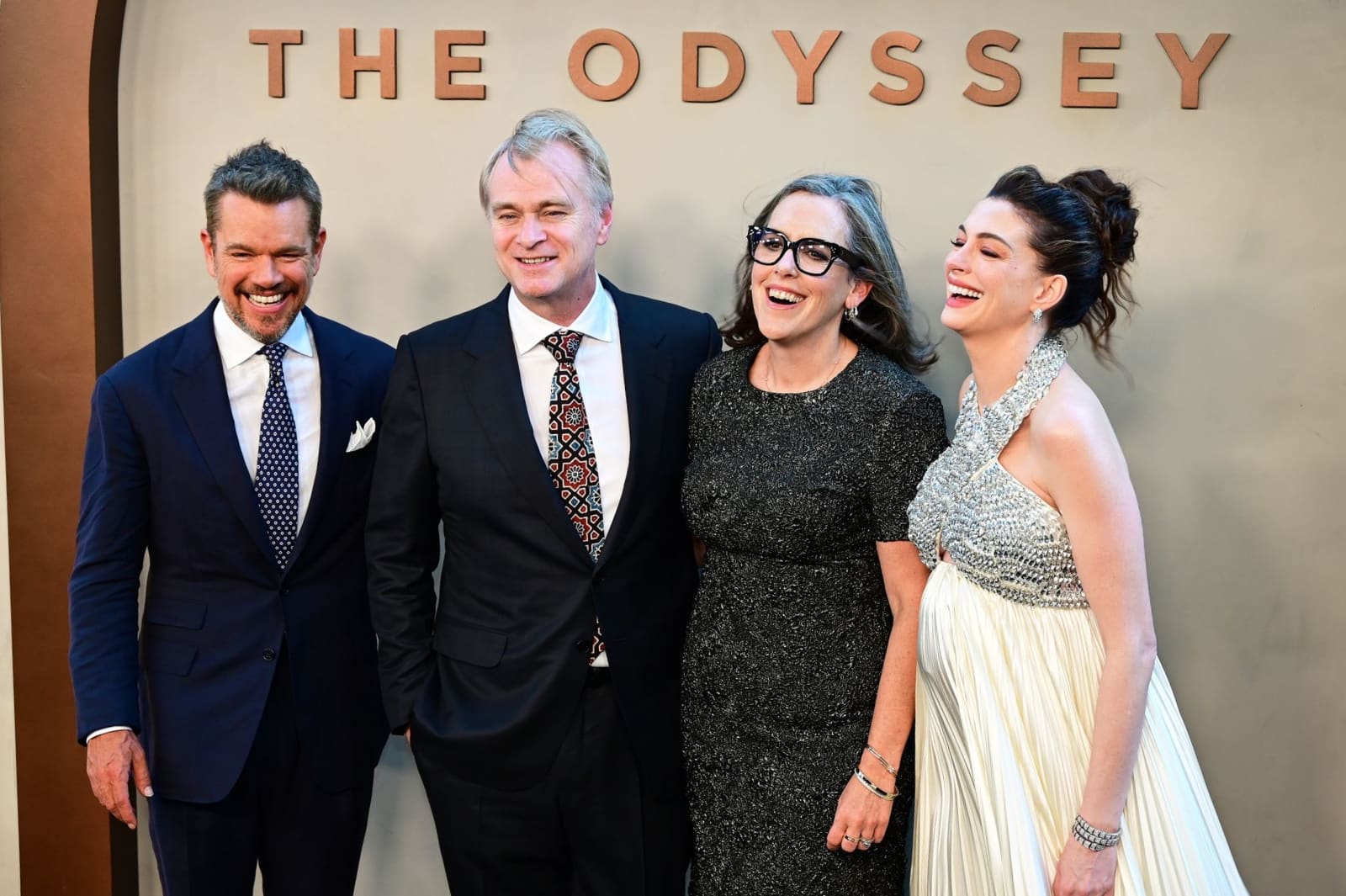
Christopher Nolan's adaptation of Homer's The Odyssey opened to a $264 million opening weekend against a reported production budget of $250 million. The film, which stars Matt Damon as Odysseus and Anne Hathaway as Penelope, took 91 days to shoot across five countries, with the director insisting on practical locations over green screens.
"For me, being on a real location, shooting certain things like when the crew is out setting sail on that boat, or going through a storm, I want it to feel almost like a documentary," Nolan said during CinemaCon in April 2026. The approach created what he called a logistical nightmare, but the resulting film has travelers booking trips to trace the production's footsteps.
The choice of locations reveals how filmmakers balance authenticity with practical needs. While some settings align with the ancient geography of Homer's poem, others required creative substitutions that work on screen but complicate the map.
Greek Landscapes, Venetian Fortresses
Production centered on the Peloponnese, Greece's southwestern peninsula. Nestor's Cave, perched above Voidokilia Beach in Messenia, doubled as the Cyclops' lair. The crescent-shaped beach below is one of the region's most photographed spots, though the cave requires a steep climb.
The production also used Methoni Castle, a coastal fortress built by the Venetians in the 13th century, and Navarino Bay, site of a famous 1827 naval battle. These aren't locations mentioned in Homer's text, but they offer the kind of stone-and-sea visuals that evoke Bronze Age Greece without requiring extensive set construction.
The choice to film in the Peloponnese rather than on Ithaca itself, Odysseus' home island, reflects practical filmmaking. The Peloponnese has better infrastructure, more varied terrain, and easier access for a crew of hundreds.
An Italian Island Becomes a Palace
Nolan filmed Odysseus' palace on Favignana, a small island off Sicily's western coast. The ruins of Castello di Santa Caterina, a fortress built on a hilltop, provided the setting. Getting equipment to the remote location required helicopter lifts and long hikes, according to production reports.
In Homer's poem, Favignana is thought to correspond to Goat Island, a stop Odysseus makes early in his journey. Nolan repurposed it as Ithaca, the hero's destination. The Aeolian Islands of Basiluzzo, Lipari, and Vulcano also appear in the film, their volcanic geology standing in for various Mediterranean waypoints.
The decision underscores a pattern in the production: using Mediterranean islands that offer the right look, even if the geography doesn't match the ancient sources.
Morocco Stands in for Troy
The most recognizable Moroccan location is Aït Benhaddou, the fortified village near Ouarzazate that has appeared in dozens of films. Nolan used it to represent Troy, the city Odysseus and the Greeks sacked at the start of his journey. Troy's actual location is in modern-day Turkey, near the Dardanelles, but Aït Benhaddou's earthen kasbahs and dramatic setting made it a stand-in.
Scenes were also filmed around El Haouz, Essaouira, Marrakech, and Tahanaoute. Morocco offers tax incentives and experienced crews, and its landscapes can double for a range of ancient settings. The choice to film Troy in North Africa rather than Turkey likely came down to logistics and cost.
Scotland's Forests and Ruins
Culbin Forest, a pine woodland on Scotland's northern coast, was the setting for Odysseus' encounter with the Laestrygonians, a tribe of cannibalistic giants. The forest, planted in the 20th century to stabilize sand dunes, doesn't resemble the Mediterranean, but its density and moodiness fit the scene's tone.
Findlater Castle, a clifftop ruin nearby, stood in for Aeaea, home of the sorceress Circe. The castle, once held by Scottish nobility, is now a crumbling shell accessible by a coastal path. It's an unexpected choice for a Greek myth, but the North Sea cliffs provide drama that's hard to replicate elsewhere.
The Scotland locations highlight Nolan's willingness to prioritize visual impact over geographic fidelity. The film is less a tour of the ancient Mediterranean and more a collection of landscapes that serve the story.
Iceland as the Underworld
Nolan filmed the Underworld scenes in Iceland during June, when daylight lasts nearly 24 hours. The black sand beaches and caves around Hjörleifshöfði mountain, a coastal promontory in the south, provided the setting for Odysseus' consultation with the prophet Tiresias.
"I knew early I wanted the landscape of Iceland to portray Hades," Nolan noted in the production materials. "This journey north, further and further into the cold, couldn't be further away from Odysseus' home in Ithaca."
The Snæfellsnes peninsula and the port of Landeyjahöfn also appear in the film. Iceland's volcanic terrain and stark light give the Underworld scenes a visual weight that contrasts sharply with the warmer Mediterranean settings.
Filming in perpetual daylight created its own challenges, but the result is one of the film's most memorable sequences, according to early reviews.
What It Means for Travelers
The film's global footprint has already sparked interest in the locations. Greek tourism boards are promoting Peloponnese itineraries tied to the production, and Icelandic tour operators are offering "Underworld" excursions to Hjörleifshöfði.
The phenomenon isn't new. Films like Game of Thrones and Lord of the Rings have driven tourism to Croatia and New Zealand for years. What's different here is the geographic spread. Visiting all the Odyssey locations would require a multi-country trip spanning thousands of miles, which may limit the effect to travelers already planning visits to these regions.
Still, the film has put lesser-known spots like Culbin Forest and Favignana on the map for cinema fans. Whether that translates to sustained tourism will depend on how long the film stays in the cultural conversation.
For now, Nolan's insistence on real locations has given travelers a new lens through which to see these places, even if the ancient Greeks never set foot in Scotland or Iceland.