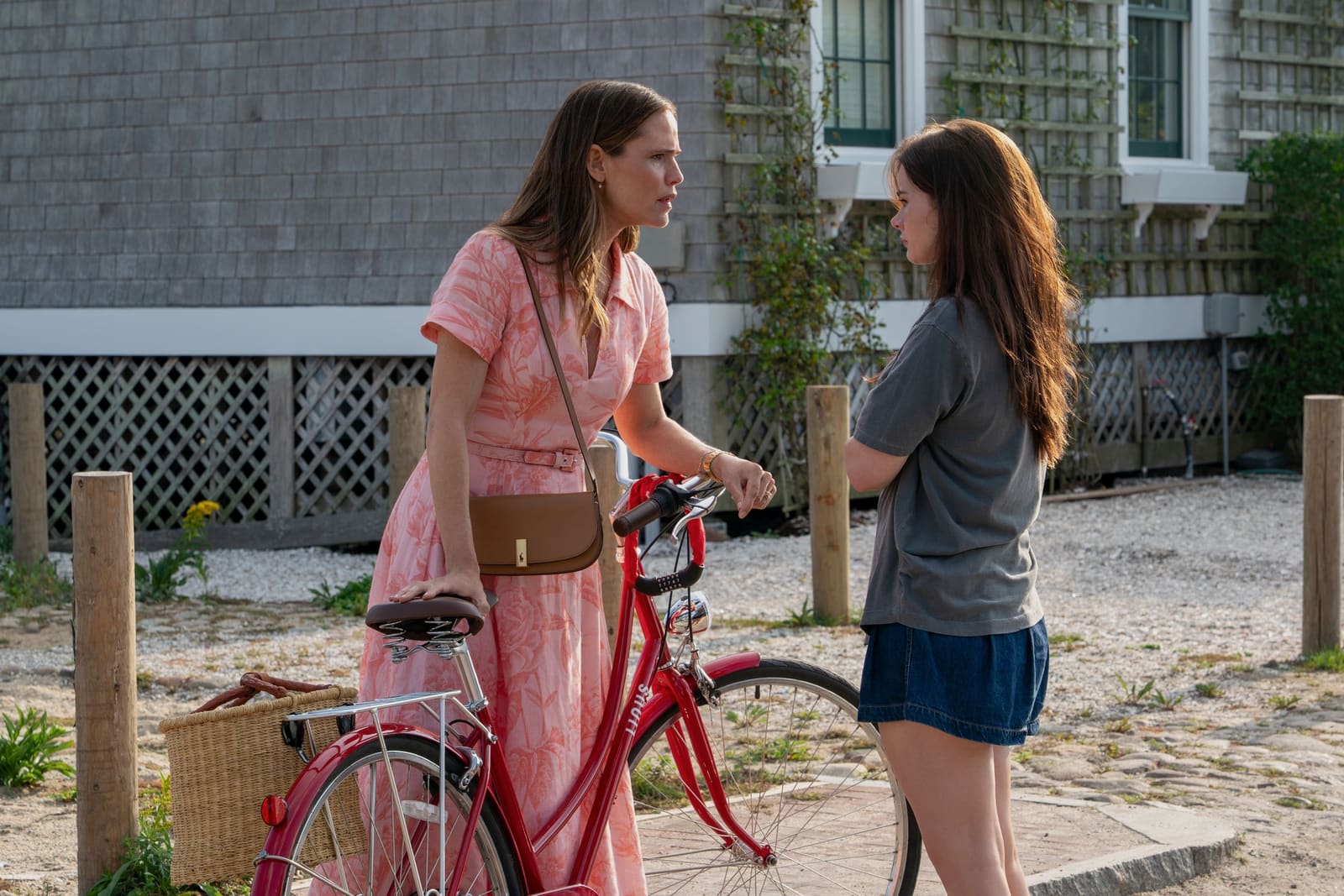
An Island Becomes a Set
When a television crew arrives on a small island, everyone notices. For three and a half weeks, Nantucket - a 14-mile-long stretch of sand and scrub 30 miles south of Cape Cod - became the backdrop for Prime Video's adaptation of The Five-Star Weekend. Jennifer Garner leads the cast as Hollis Shaw, a cookbook author who invites friends from different chapters of her life to her beach house after a personal crisis. The supporting ensemble includes Chloë Sevigny, Gemma Chan, and Regina Hall.
The series follows Elin Hilderbrand's 2023 novel of the same name. Hilderbrand, who lives on Nantucket year-round, served as an executive producer and consulted on the production. She described the shoot as one of the most exciting events the island has experienced, noting that Nantucket has rarely been portrayed accurately on screen due to logistical challenges.
Filming began in Los Angeles before the production moved east. The cast and crew spent just over three weeks on Nantucket, working through a schedule that touched many corners of the island. Garner has said she worked nearly nonstop, appearing in most scenes, but still found time to explore between takes.
The Real Nantucket
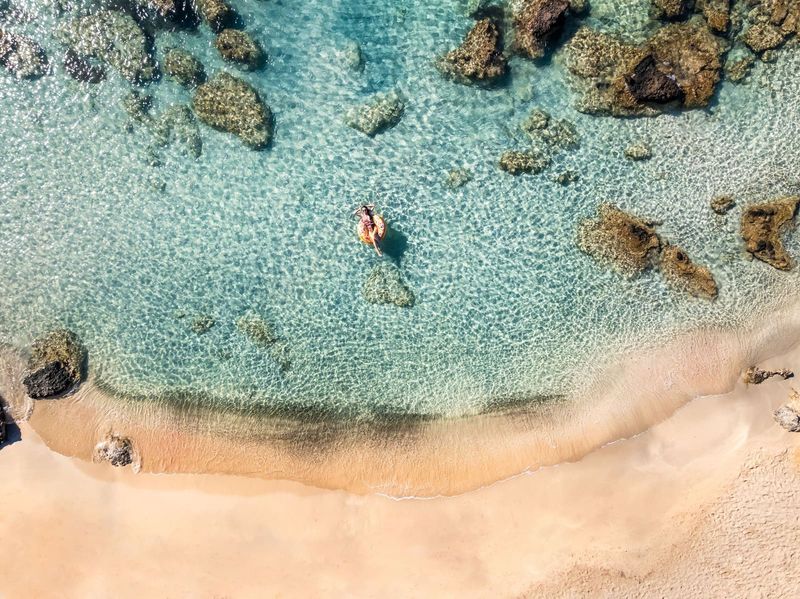
The production used actual Nantucket locations rather than building sets or relying on studio recreations. Eel Point Road, a quiet stretch on the island's western edge, provided the exterior shots of Hollis's beach house. One of the private estates along that road stood in for the fictional home where much of the drama unfolds.
Several local businesses also appear in the series. Wicked Island Bakery, run by Ben and Heather Woodbury, features in at least one scene. Ben trained at the French Culinary Institute before moving to the island; Heather brings over 15 years of restaurant management experience. Their bakery has become a neighborhood fixture, and its appearance in the show gave locals a chance to see familiar storefronts on screen.
Hatch's Package Store, a liquor shop and convenience stop, also makes an appearance. So does Cru, a seafood restaurant known for its raw bar and waterfront views. Stubby's, an American diner with a more casual vibe, shows up as well. The Chatham Beach and Tennis Club, though its name suggests a different town, was used for certain scenes requiring a club setting.
An Actress Immerses Herself
Garner took the opportunity to learn about the island beyond the call sheet. According to Hilderbrand, the actress attended lectures at the Nantucket Whaling Museum, a historical institution that documents the island's maritime past. She also visited Nantucket Looms, a shop where artisans weave blankets on traditional looms, and tried her hand at the craft.
Hilderbrand hosts weekly book signings during the summer season, and Garner attended at least one, taking photos with readers in line. She also went sailing on the Endeavour, a local vessel, and participated in hoisting the sails. Hot yoga classes and church services rounded out her schedule. For someone unfamiliar with the New England island, Garner appears to have made an effort to understand the place she was portraying.
Garner's mother and sister joined her at the start of the shoot, and her children visited briefly during production. In a conversation earlier this year, she reflected on the island's variety: hiking and biking trails that wind through the interior, beaches that stretch for miles, and a dining scene dominated by lobster in every conceivable form. She also mentioned encountering book groups on the island, women traveling to experience the settings Hilderbrand writes about.
Why Nantucket Is Difficult to Film
Hilderbrand has pointed out that Nantucket has rarely been filmed correctly. The island is accessible only by ferry or small plane, and logistics can be prohibitively complex. Equipment, crew, and cast must all be transported across open water or by air. Weather can delay schedules. Accommodations are limited, especially during peak summer months when tourists fill hotels and rental homes.
The decision to shoot on location rather than in a more accessible coastal town suggests a commitment to authenticity. Nantucket has a distinct character: shingled cottages, narrow lanes, beaches fringed with dune grass, and a town center lined with boutiques and seafood shacks. Replicating that elsewhere would be difficult, and the production appears to have decided the effort of bringing a crew to the island was worth the result.
What the Shoot Meant Locally
For an island with a year-round population of around 11,000, a Hollywood production is a significant event. Hilderbrand described it as exciting not just for her but for the community. Local businesses that appeared in the series likely benefited from the attention, and residents who worked as extras or provided services had a chance to participate.
Tourism on Nantucket is already robust, driven by summer visitors and fans of Hilderbrand's novels. The series may bring a new wave of travelers interested in seeing the locations on screen. Whether that influx is welcome depends on who you ask. Islands with limited infrastructure often struggle with the balance between tourism revenue and the strain on resources.
Watching the Island on Screen
The series premiered on Prime Video in early 2025. For viewers unfamiliar with Nantucket, the show offers a visual introduction to the island's geography and culture. For those who know it well, the series provides a chance to spot familiar landmarks and evaluate how accurately the production captured the place.
Television adaptations of beach novels tend to lean heavily on setting, and The Five-Star Weekend is no exception. The island is more than a backdrop; it shapes the story. The isolation of Nantucket, the way it feels separate from the mainland, plays into the premise of friends gathering in a contained space where secrets have nowhere to hide.
Whether the series succeeds as drama is a separate question from whether it succeeds as a portrait of Nantucket. The two goals do not always align. But for a production that spent weeks on location and involved a local author at every step, the attempt at authenticity was clearly a priority.