A Strategic Pivot to Religious Tourism
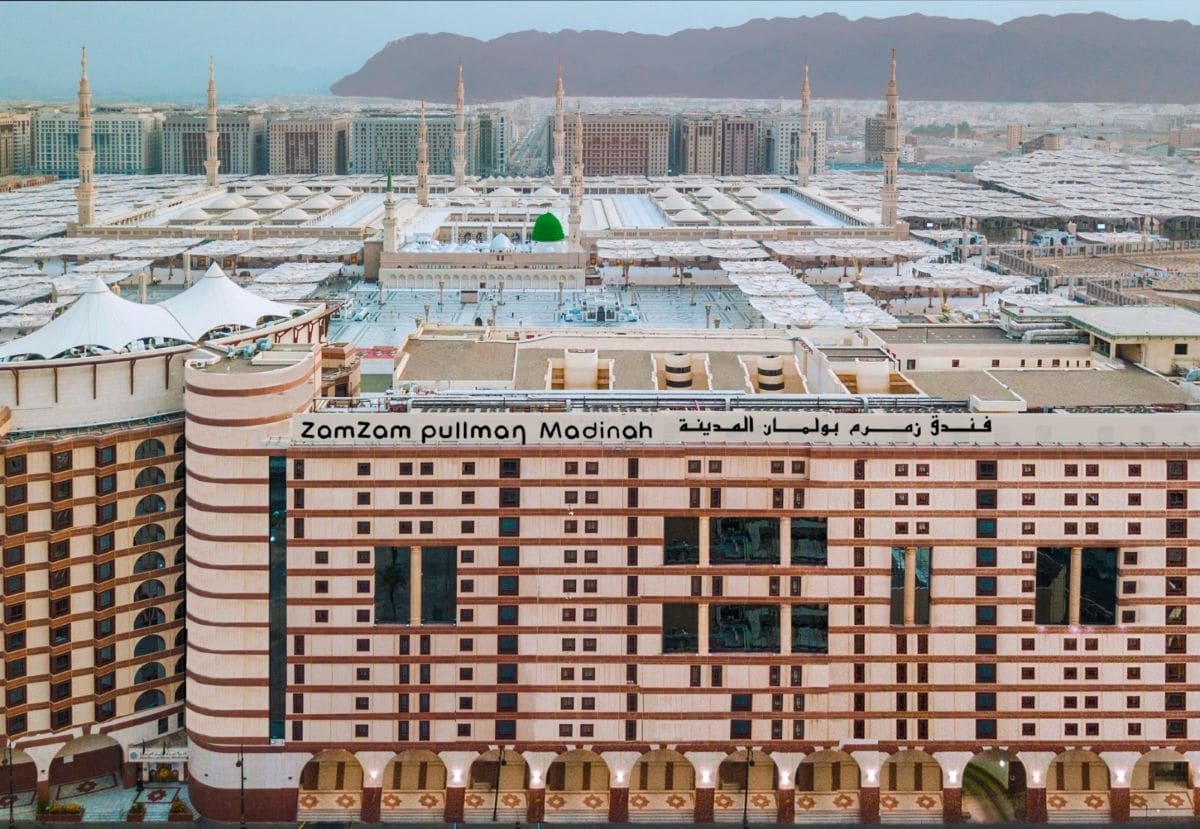
While much of the Gulf grapples with softening hotel demand linked to regional instability, Accor is placing a substantial bet on a different kind of traveler: pilgrims. The French hotel group now operates more than 15,000 rooms across 15 properties in Makkah and Madinah, with another 8,000 keys under development. The expansion aligns with Saudi Arabia's Vision 2030 target of welcoming 30 million international Hajj and Umrah visitors each year, a figure that would nearly double the current flow.
The growth trajectory reflects a calculated shift. Religious tourism in Saudi Arabia operates on a rhythm distinct from leisure or business travel, driven by liturgical calendars rather than seasonal trends or economic cycles. For hotel operators, that predictability carries appeal, especially when geopolitical turbulence elsewhere in the region makes forecasting difficult.
Accor's portfolio in the holy cities spans ten brands, covering segments from luxury to economy. The upcoming Sofitel Jabal Omar Makkah, scheduled to open later this year, will be the brand's largest property globally at 1,100 rooms. A Fairmont under construction in Madinah includes branded residences, signaling confidence in both short-term pilgrimage stays and longer-term investment appeal. The company also recently announced the ibis Makkah Al Maabdah, a 518-room property slated for 2031.
Why the Holy Cities Matter Now
The decision to concentrate development in Makkah and Madinah comes as other Gulf markets face headwinds. Regional travel has been disrupted by conflict involving Iran, dampening demand in cities that had been riding a post-pandemic boom. Religious tourism, by contrast, has proven more resilient. Pilgrimage is a religious obligation for Muslims who are financially and physically able, creating a baseline demand that persists regardless of broader economic or political conditions.
Saudi authorities control the annual Hajj quota, setting limits on how many pilgrims each country can send. That quota has been rising steadily as the kingdom invests in infrastructure to accommodate larger crowds. Umrah, the lesser pilgrimage that can be performed year-round, has fewer restrictions and has grown even faster. Together, the two streams generate consistent occupancy for hotels willing to navigate the operational complexities of serving a transient, often first-time international audience.
Accor's chief development officer for premium, midscale, and economy segments in the region, Maya Ziadeh, pointed to healthy demand as justification for continued branded hotel development across multiple tiers. The strategy reflects a broader industry recognition that religious tourism in Saudi Arabia is not a niche play but a volume business with significant upside.
Operational Challenges and Seasonal Realities
Building hotels in Makkah and Madinah is not without complications. Much of the existing supply operates only during peak periods, particularly Ramadan and the Hajj season, leaving properties dark for stretches of the year. Managing that seasonality requires operational flexibility and a cost structure that can absorb periods of low or zero occupancy.
The kingdom has been working to smooth demand curves by promoting Umrah travel throughout the year, but the concentration of visitors during Ramadan and Hajj remains pronounced. For operators, that means staffing, procurement, and revenue management must adapt to extreme peaks and troughs.
Recent changes to real estate ownership rules may also reshape the landscape. Saudi Arabia has relaxed restrictions on foreign property ownership in the holy cities, a move designed to attract international capital and accelerate development. The implications for hotel operators are still unfolding, but the policy shift could bring more competition and diversify the mix of accommodation types available to pilgrims.
A Broader Realignment in Gulf Hospitality
Accor's pivot to Makkah and Madinah is part of a broader realignment in Gulf hospitality. As leisure and business travel soften in markets like Dubai and Abu Dhabi, operators are hunting for pockets of resilient demand. Religious tourism, long treated as a separate category with its own quirks and challenges, is increasingly seen as a strategic counterweight.
The scale of Accor's commitment, both in existing properties and pipeline projects, suggests the company views this as more than a short-term hedge. With 8,000 rooms in development and projects stretching to 2031, the bet is that Saudi Arabia's ambitions for religious tourism are credible and that the infrastructure investments required to support 30 million annual pilgrims will materialize.
For now, the strategy offers Accor a degree of insulation from volatility elsewhere. Whether that insulation holds over the long term will depend on the kingdom's ability to manage growth without overwhelming its hospitality infrastructure, and on the broader trajectory of travel in a region still navigating geopolitical uncertainty.