Restructuring Under Court Protection
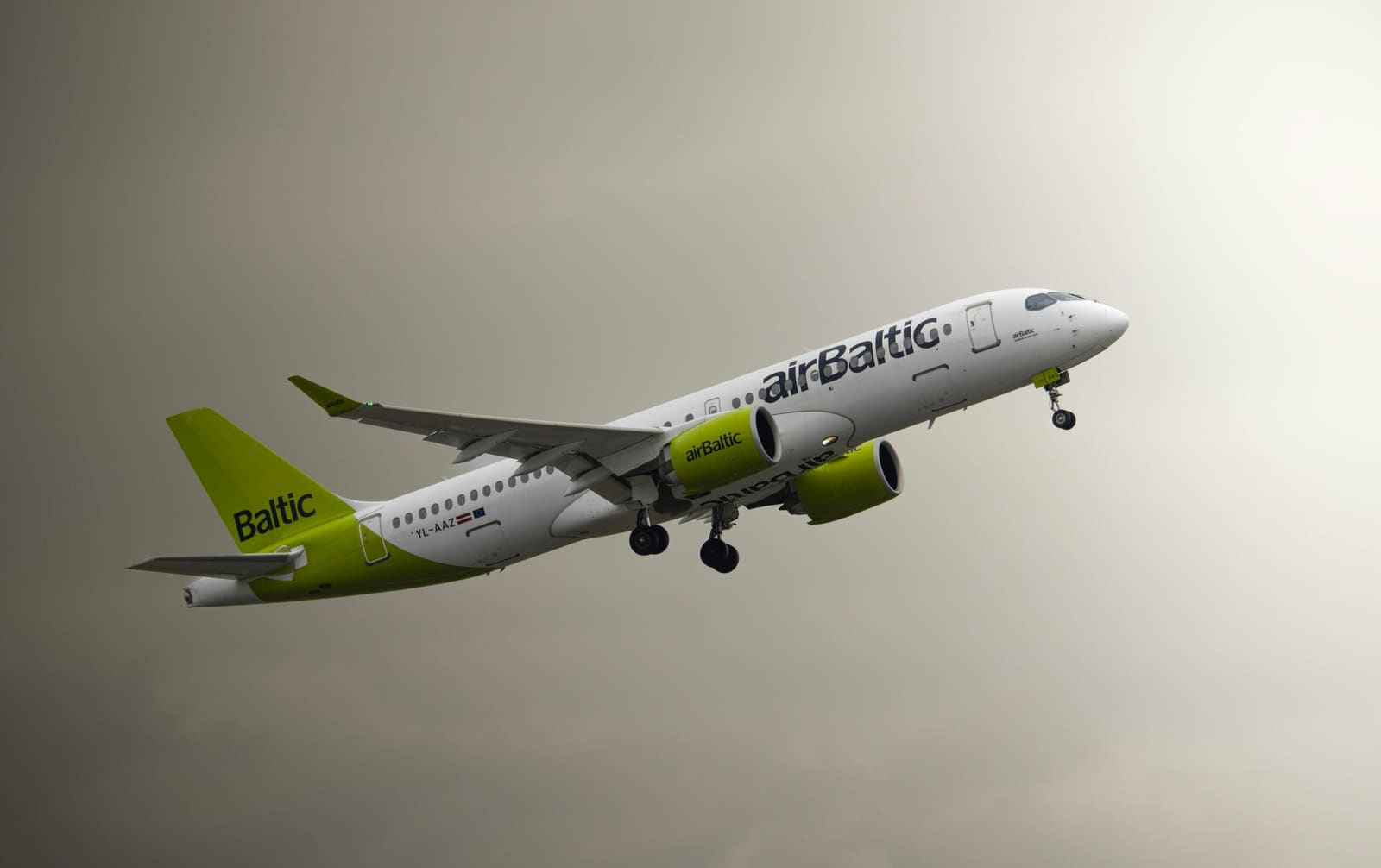
AirBaltic has entered Chapter 11 bankruptcy in New York, a court-supervised process that lets the Latvian carrier keep flying while it renegotiates debts and aircraft contracts. The airline has secured a €350 million debtor-in-possession financing package, with a judge authorising initial access to €140 million, according to Flightradar24. Scheduled services are expected to continue as the airline works through the restructuring, which aims to conclude by June 2027.
The filing is voluntary and does not mean the airline has shut down. Instead, it reflects a strategy to address liquidity pressures and reset the balance sheet under judicial oversight, a tool more commonly used in the United States but increasingly considered by European carriers with international creditors.
Years of Accumulated Pressure
The immediate cause was a cash shortage, but the roots stretch back years. Pandemic losses hollowed out airBaltic's finances. Then Russia's invasion of Ukraine severed traffic from Russia, Belarus and Ukraine, which had fed the carrier's Riga transfer hub. Court documents indicate the airline lost an estimated €40 million in passenger revenue in 2022 from those route suspensions alone.
Grounding events compounded the strain. AirBaltic operates an all-Airbus A220 fleet, powered exclusively by Pratt & Whitney geared turbofan engines. Repeated shortages of those engines forced aircraft out of service, triggering costly cancellations, lease extensions for replacement jets, and constrained growth.
Then fuel became the breaking point. After selling remaining hedges in March 2026 to protect minimum cash levels, airBaltic was fully exposed to spot prices. Jet fuel surged around 109 per cent above January levels, according to Bandoro, part of a broader spike following conflict involving Iran. Competitors with better hedging were shielded; airBaltic was not, and raising fares risked weakening demand further.
Debt and the Cost of Rescue
Refinancing outside court proved unworkable. The airline carried roughly $583 million in funded debt and finance-lease obligations, alongside €106 million in payroll taxes and airline fees. A proposed super-senior bond came with a 25 per cent interest rate. The Chapter 11 facility, by contrast, costs about 12 per cent, still a high price but more feasible than the alternatives.
Chief executive Erno Hilden said the process would enable the company to seek sustainable terms from stakeholders. The airline now expects to operate around 36 aircraft by the end of 2026, down from earlier plans to grow towards 100. It may cancel or defer 40 additional A220 deliveries, a reversal with implications for Airbus, Pratt & Whitney, lessors and Lufthansa Group airlines that lease airBaltic aircraft and crews.
Industry Lessons
The case underscores the risks of concentrated fleet strategies. Operating a single aircraft type simplifies training and maintenance, but dependence on one engine family magnifies exposure when technical or supply-chain problems arise. AirBaltic's ambitions to scale quickly left little margin for error when multiple shocks hit at once.
The filing may also encourage other European carriers to consider US Chapter 11 procedures, which offer a unified forum to reshape leases, orders and financing while preserving operations. But the steep cost of rescue capital shows how quickly airlines with weak balance sheets can be forced into expensive protection when fuel or geopolitical shocks materialise.
Governments, meanwhile, face familiar pressure to protect connectivity without repeatedly absorbing airline losses. The balance between market discipline and public interest remains unresolved across much of Europe.
What Travellers Should Expect
For passengers, the immediate message is continuity. AirBaltic says flights will operate as scheduled, and court motions seek authority to honour tickets, refunds, gift cards, loyalty benefits and EU261 compensation claims. The airline is not grounding operations, and bankruptcy protection does not invalidate existing bookings.
Over time, however, expect a smaller network. Fewer aircraft mean reduced frequencies, thinner seasonal coverage and less choice, particularly through Riga and across the Baltic states. The restructuring is a bet that reliability and a tighter focus can rebuild trust, but the trade-off is scale.
Travellers with near-term bookings should monitor airline communications and keep receipts, though the risk of sudden collapse appears low given the financing in place. The broader question is whether a leaner airBaltic can sustain the Baltic connectivity that larger network carriers and budget competitors may not fully replace. The answer will become clearer as the airline navigates the next nine months of court oversight and creditor negotiations.