The Ask
The International Air Transport Association wants European governments to hold on to their emergency override for the bloc's biometric border system until at least March. That override, which lets national authorities hit pause on fingerprint and photo requirements when lines get unmanageable, is set to vanish this Saturday.
Thomas Reynaert, who leads external affairs at IATA, told journalists in Brussels this week that pulling the lever now risks a repeat of the summer snarls that left travelers stranded for hours. Processing times at some crossings have ballooned to three times their previous length, he said, and in extreme cases waits stretched past six hours.
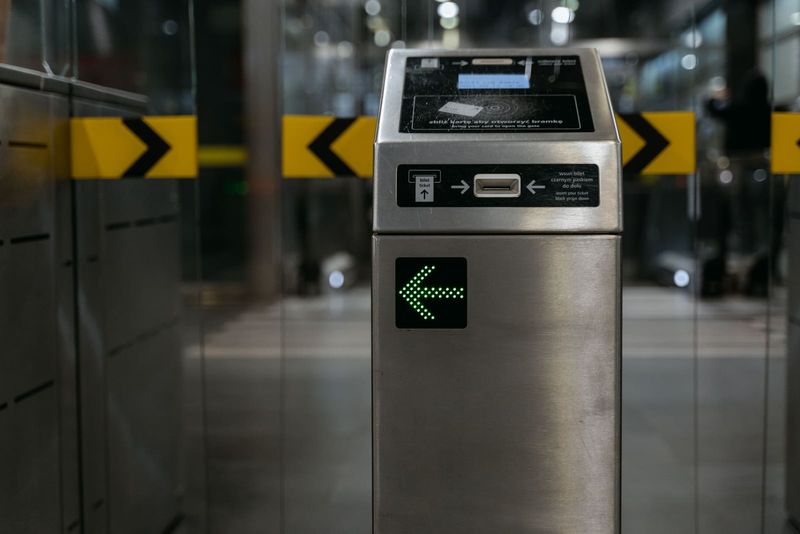
The trade group is not asking Brussels to roll back the Entry/Exit System itself. The EES replaced ink stamps with digital records starting last October and went live across all 29 participating countries in April. Instead, IATA argues that airports and border posts need a fallback option while hardware glitches, staffing gaps, and uneven kiosk deployment continue to plague the rollout.
Four Benchmarks
Reynaert laid out four tests that should be met before countries lose the ability to suspend checks: enough staff at crossing points, stable technology that does not crash mid-shift, working self-service machines and automated gates, and wider use of pre-registration so travelers can submit their details before they arrive.
Pre-registration offers the fastest fix, he said, because it moves data collection away from congested checkpoints. His preferred queue is one that never forms in the first place.
First-time users put the heaviest load on the system because biometric capture takes longer than a simple scan. Performance varies wildly depending on which country you enter, IATA says, with some borders humming along and others grinding to a standstill when a server hiccups or a camera fails.
The Summer Toll
Delays have gone beyond inconvenience. Passengers have missed departures, been pulled off planes to make weight, and lost connections they booked months in advance. Reynaert pointed to social media posts and news coverage that painted European travel as chaotic, a perception he said harms the continent's appeal.
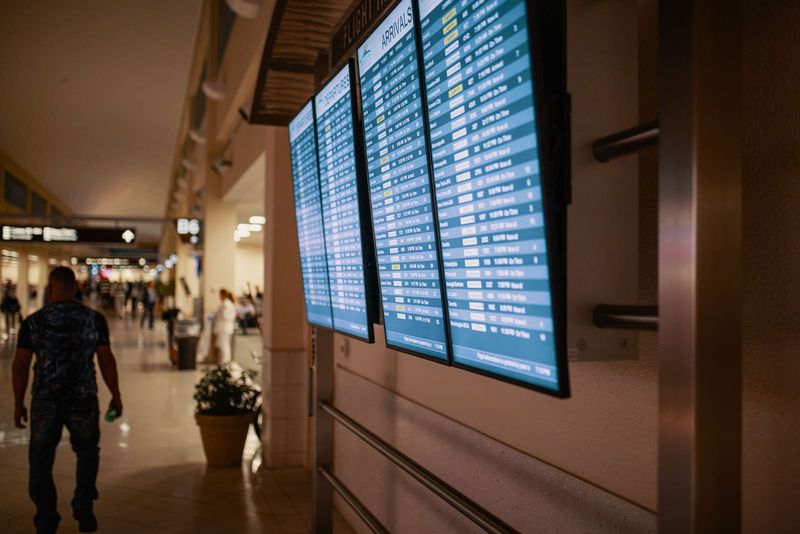
One video clip from Brussels Airport in early September showed a non-EU immigration line snaking back after 90 minutes, while the nearly empty EU lane sat idle. Travelers with Belgian residence cards, who are exempt from EES capture, could not use the faster channel.
When asked whether industry warnings of six-hour waits had been overblown, Reynaert said no. Those waits were rare but real, documented during peak summer weeks. He acknowledged the picture is patchy: many airports handle the load smoothly, some are improving, and a few have backslid.
Data Gaps
One obstacle to diagnosing the mess is the lack of shared performance data. IATA has been working with the airport trade group ACI Europe but wants a formal arrangement that brings in the European Commission and national border agencies. Without common metrics, Reynaert said, no single actor can see the full picture or hold others accountable.
The association is calling for regular benchmarking and open channels between governments, airlines, and airports so that fixes can be coordinated rather than improvised.
Political Pressure
Nine countries wrote to the EU's internal affairs commissioner in July asking to keep the suspension power beyond Saturday's cutoff. Belgium, France, Germany, Greece, Italy, Malta, the Netherlands, Portugal, and Switzerland warned that stripping the safeguard before operational problems are resolved could trigger gridlock at busy crossings.
European Commissioner for Sustainable Transport and Tourism Apostolos Tzitzikostas has hinted that flexibility might continue if needed, though no formal decision has been announced. The Commission has touted the system's security gains, noting that 160 million movements have been logged and 50,000 people without entry rights turned away.
What Happens Next
IATA's position is that digital borders are the future but that the technology and infrastructure have to work before the training wheels come off. Reynaert emphasized the group supports the EES in principle and is not seeking to delay or dilute it.
Alongside the extension, the association wants member states to accelerate pre-registration rollout, invest in hardware and staffing, and establish tighter cooperation with Brussels and the aviation sector.
With the deadline three days out when Reynaert spoke, the question has shifted from whether the industry wants more time to whether the EU will grant it. Autumn and winter bring their own travel surges, and if border systems buckle under holiday loads without a release valve in place, the reputational damage may prove harder to undo than a software patch.