Two Carriers, One Northern City
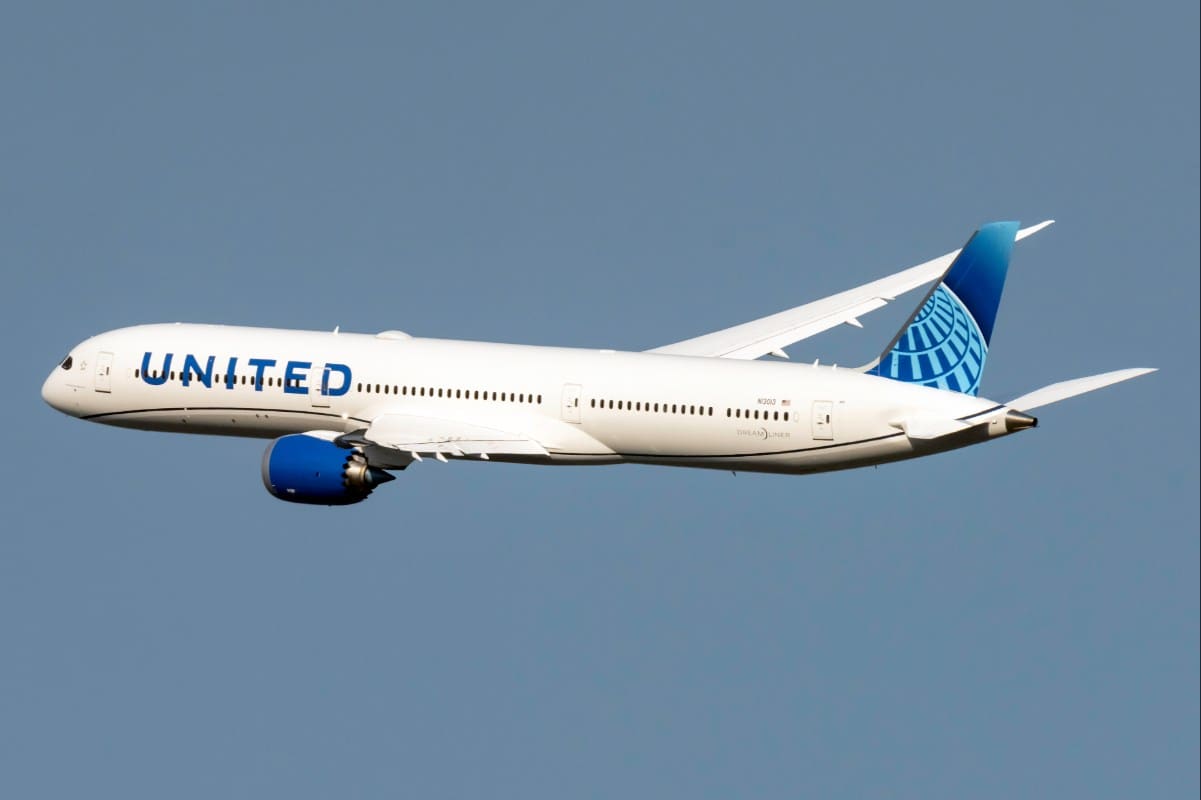
United and Air Canada will both launch service to Sapporo, Japan, before the holidays, an unusual convergence for a city that has never had two North American carriers at once. United begins three-weekly flights from San Francisco on December 11, while Air Canada starts from Vancouver on December 17. Both routes are seasonal, designed to capture winter ski traffic to Hokkaido.
The timing matters. Sapporo sits in Japan's northernmost main island, home to deep powder snow that draws skiers from across Asia and, increasingly, from North America. The question is whether the market can sustain two widebody operations simultaneously, or whether one carrier has misjudged the depth of demand. Vancouver's proximity gives Air Canada a geographic edge, but United's San Francisco hub offers more connecting traffic from across the U.S.
Sapporo already has service from several Asian carriers, but the North American routes represent a bet that direct flights will pull travelers away from one-stop options through Tokyo. Both airlines are using widebody aircraft, a sign they see enough premium and leisure demand to justify the seat count.
Europe Goes One-Stop to Melbourne
Two European carriers are adopting a strategy Turkish Airlines has used for years: serving Melbourne via a Middle Eastern stop rather than attempting the ultra-long nonstop. The approach offers flexibility and lower operating costs, though it adds hours to the journey.
The routes reflect a broader shift in how airlines think about Australia. Ultra-long-haul nonstops from Europe require specialized aircraft and favorable winds, and they can be punishing on crew and passengers alike. A one-stop model spreads the distance across two shorter legs, making the economics more forgiving and opening the route to a wider range of aircraft types.
Melbourne has long been an attractive destination for European carriers, but direct service has been limited. The one-stop model lets airlines tap into demand without committing to the operational complexity of a 17-hour nonstop. Whether passengers will accept the extra time in exchange for potentially lower fares remains to be seen.
Delta Tries Saudi Arabia After Virgin Atlantic's Exit
Delta Air Lines will open the first nonstop service between the United States and Saudi Arabia, launching flights to Riyadh later this year. The route enters a market that Virgin Atlantic, Delta's transatlantic partner, already attempted and abandoned.
Virgin Atlantic pulled out of the London-Riyadh route after finding the economics difficult. The market is heavily tilted toward business travel, which can be lucrative but also vulnerable to swings in corporate demand and geopolitical tension. Delta's entry suggests the airline sees enough U.S.-Saudi traffic, possibly tied to business and government travel, to make the route work where a European carrier could not.
Delta has also announced a partnership with Riyadh Air, Saudi Arabia's new national carrier, which may change the underlying math. A partnership can generate connecting traffic on both ends, filling seats that might otherwise go empty and spreading risk between two airlines. Whether that partnership can overcome the challenges Virgin Atlantic faced is the real test.
The route also reflects Saudi Arabia's push to open its economy and attract tourism as part of its Vision 2030 initiative. The kingdom has eased visa restrictions and invested heavily in tourism infrastructure, though the sector is still in its early stages. Delta is betting that the combination of business demand and emerging leisure travel will be enough to sustain a long-haul widebody route.
The Math Behind the Routes
None of these routes are cheap to launch. Airlines must commit aircraft, crew and ground staff for months before the first ticket is sold. Market research can only predict so much; the real test comes when passengers either book or don't.
Widebody efficiency has made it easier to test marginal markets. Modern aircraft burn less fuel per seat and require smaller crews, lowering the breakeven point. That allows airlines to serve cities that would have been uneconomical a decade ago, even if demand is modest.
But efficiency only goes so far. A route still needs enough passengers willing to pay enough money to cover costs and generate a return. Seasonal routes like the Sapporo flights reduce risk by concentrating service during peak demand, but they also limit revenue potential. Year-round routes like Delta's Riyadh service require steady demand across all seasons, a tougher proposition.
What the Route Map Says About Demand
The new routes offer a snapshot of where airlines see opportunity. Japan remains a strong draw, particularly for winter sports and cultural tourism. Australia continues to attract European travelers, even if the distance requires creative routing. Saudi Arabia is emerging as a business and potential leisure destination, though the market is still unproven.
The routes also reveal where airlines are willing to take risks. Sapporo is a niche market, and launching dual service suggests both carriers believe they can carve out a profitable share. Melbourne via a Middle Eastern hub is a lower-risk play, leveraging existing infrastructure and demand. Riyadh is the boldest bet, entering a market with a recent failure and relying on a new partnership to change the outcome.
Not all of these routes will succeed. Some will be quietly dropped after a season or two, absorbed into the long list of experiments that didn't pan out. Others may become permanent fixtures, opening up new travel patterns and reshaping how people move between continents. The only certainty is that airlines will keep testing, probing the edges of where demand really stretches.