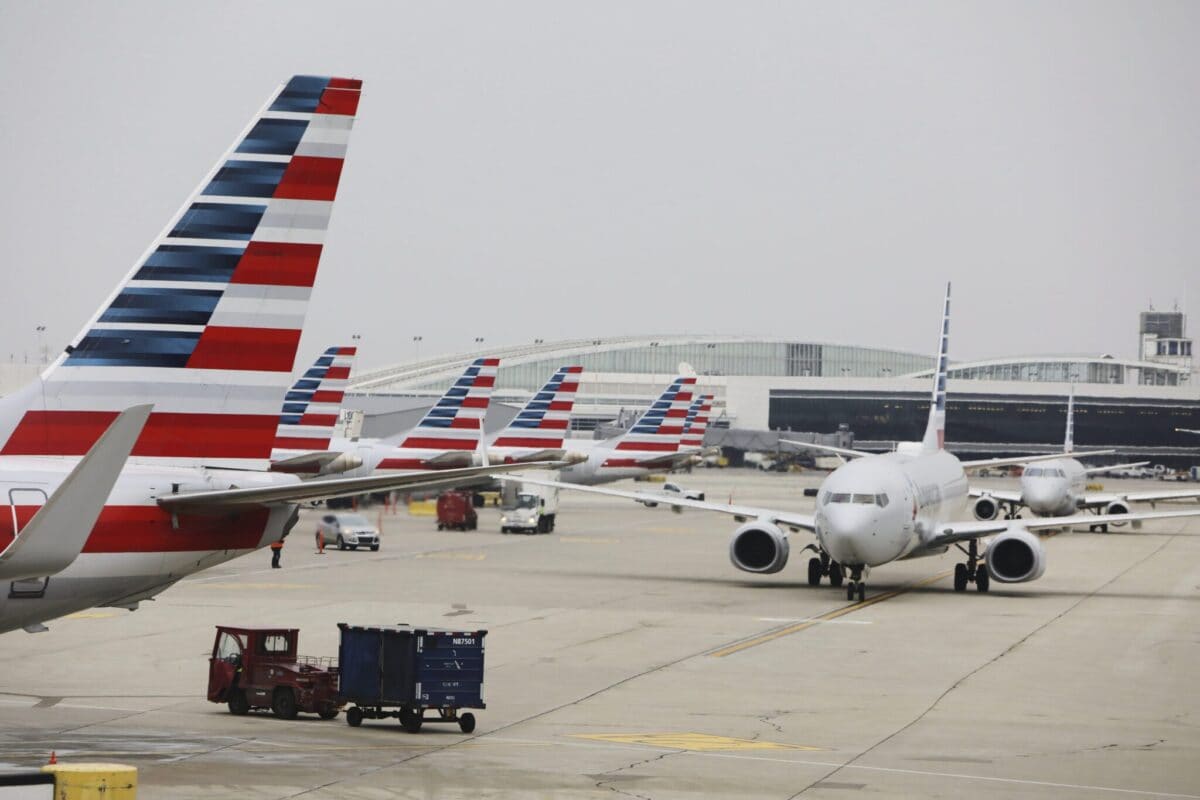
A Different Bet on the Sky
American Airlines is charting its own course this year, keeping more seats in the market even as its biggest competitors pull back. The divergence is striking: while Delta and United have announced significant reductions to their schedules, American has opted for what it calls a more measured approach, trimming only lightly around the edges.
The reasoning, according to the carrier's leadership, centers on fuel price swings. In an industry where jet fuel can account for a quarter or more of operating costs, hedging strategies and price forecasts shape everything from route planning to aircraft deployment. American's executives argue that the current volatility makes aggressive cuts risky. If fuel prices fall and demand holds, carriers that slashed too deeply could find themselves scrambling to add back flights at higher unit costs.
It's a gamble that sets American apart in a season when caution has been the watchword. The big three U.S. carriers rarely move in opposite directions on something as fundamental as capacity. When they do, it usually signals competing views of where the market is headed.
What the Numbers Suggest
The scale of the difference matters. Delta and United have each pulled several percentage points of capacity out of their networks for the second half of 2026, focusing cuts on domestic routes where overcapacity has pressured fares. American, by contrast, has made adjustments that barely register in year-over-year comparisons. The airline is still growing in certain markets, particularly transatlantic routes where business travel has rebounded more robustly than expected.
This isn't to say American is ignoring economic headwinds. The carrier has deferred some aircraft deliveries, adjusted frequency on underperforming routes, and shifted aircraft types on others to better match demand. But the overall posture is one of holding ground rather than retreating.
The fuel calculus is only part of the story. American also faces different operational realities. Its fleet is older on average than Delta's, which limits flexibility but also means lower capital costs in the near term. The airline has invested heavily in newer narrow-body aircraft for domestic flying, and those planes need to fly to justify the expense. Parking them would accelerate depreciation without eliminating fixed costs.
The Risks of Standing Alone
Maintaining higher capacity in a softening market carries obvious dangers. If demand weakens further or fuel prices spike unexpectedly, American could find itself with too many empty seats and shrinking margins. Load factors - the percentage of seats filled - have already dipped industry-wide, and yields per passenger have come under pressure as carriers compete for a smaller pool of travelers.
There's also the question of fare discipline. When one major carrier keeps adding seats, it can undercut pricing across the board. That's a concern for the entire industry, not just American's rivals. Airlines make money by balancing supply and demand; too much of the former erodes the latter's value.
American's strategy assumes that fuel prices will stabilize or decline and that travel demand will remain resilient through the rest of the year. Both assumptions are debatable. Crude oil markets have been anything but predictable in recent quarters, buffeted by geopolitical tensions, production decisions, and macroeconomic uncertainty. Travel demand, meanwhile, has shown signs of moderating after the post-pandemic surge, particularly among leisure travelers who powered the recovery.
What It Means for Travelers
For passengers, the immediate effect is more options. American's decision to hold capacity means more flights on more routes, which can translate to better availability and, in some cases, lower fares. If other carriers are cutting, American's incremental seats might absorb some of the displaced demand, especially on routes where it competes head-to-head with Delta or United.
But the durability of that benefit depends on how the market evolves. If American's bet pays off and fuel costs moderate, the airline could emerge with stronger market share and improved unit economics. If the bet goes the other way, the carrier might be forced into deeper cuts later, potentially disrupting schedules and reducing options just as travelers are planning fall and winter trips.
The divergence also highlights how differently airlines assess risk. Delta has historically been more conservative, prioritizing margins over growth. United has been more aggressive in international expansion but has pulled back domestically. American, under pressure to improve financial performance after years of lagging its peers, appears to be threading a middle path - avoiding the sharp cuts that might signal weakness while stopping short of the growth that could strain balance sheets.
The Broader Context
Capacity decisions ripple through the entire travel ecosystem. Hotels, car rental companies, and tour operators all plan around airline schedules. A carrier that maintains more flights can support more tourism infrastructure in secondary markets. Conversely, cuts in one city can have cascading effects on local economies that depend on visitor spending.
American's approach also reflects broader questions about the industry's trajectory. Are we entering a prolonged period of slower growth, or is this a temporary pause before another upswing? How much of the recent softness is cyclical, and how much is structural? Airlines are essentially placing bets on those questions every time they adjust their schedules.
For American, the stakes are particularly high. The airline has worked to close the gap with Delta and United on profitability and operational reliability. Maintaining capacity while competitors retrench could accelerate that progress if demand holds. But it could also widen the gap if conditions deteriorate.
The fuel variable adds another layer of complexity. Airlines use a mix of hedging and spot-market purchases to manage fuel costs, and their strategies vary. American's hedging position might give it more confidence to hold capacity, or it might reflect a different view of where prices are headed. Either way, the decision underscores how much uncertainty still clouds the outlook for the rest of 2026.
Travelers booking for the second half of the year should pay attention to how this plays out. Schedule changes, fare fluctuations, and availability can all shift quickly when carriers adjust their plans. For now, American is offering more of what travelers want: seats. Whether that remains the case will depend on forces largely beyond any single airline's control.