A Phased Comeback
Lufthansa Group will begin flying to Dubai again from late October, rolling out services across five of its airline brands over a six-week window. The German aviation group suspended routes earlier this year as regional security conditions deteriorated, and the planned restart represents one of the more substantial European reconnections to the Gulf emirate since disruptions began.
At full capacity, the group expects to operate as many as 36 weekly flights between its European hubs and Dubai. That level of service would restore a significant portion of the connectivity that disappeared when carriers pulled back from the region in response to escalating conflict involving the United States, Israel, and Iran.
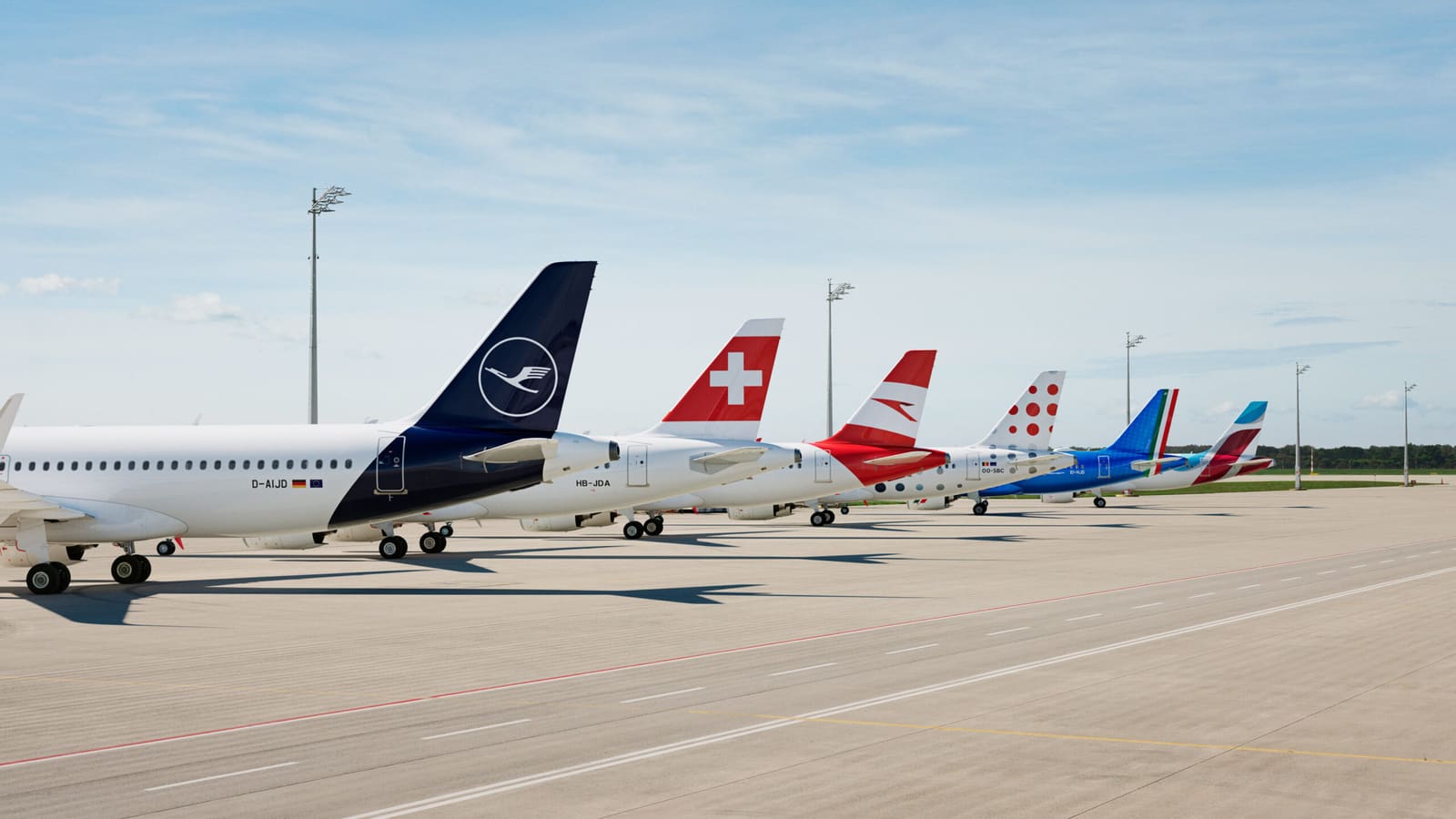
The first aircraft will depart Munich on 25 October, according to Lufthansa Group's published timetables. Frankfurt follows a day later, then Zurich on 27 October. Eurowings will restart from Berlin and Stuttgart on 1 November, and from Cologne-Bonn two days after that. Austrian Airlines, the last of the group's carriers to return, is scheduled to resume Vienna-Dubai flights on 12 December.
Why Dubai, Why Now
Dubai sits at a geographic crossroads that places roughly two-thirds of the world's population within an eight-hour radius. That positioning has made it one of the busiest transfer hubs globally, funnelling passengers between Europe, Asia, and Africa. When airlines suspend service there, the ripple effects touch corporate travel programmes, tour operators, and freight networks alike.
The decision to resume flights now reflects a judgement by Lufthansa Group that conditions have stabilised enough to warrant commercial operations, though the carrier has emphasised that it continues to monitor developments closely and coordinate with relevant authorities. Passenger and crew safety, the group said, remains the determining factor in route decisions.
Timing also matters from a competitive perspective. Several major carriers have extended their own suspensions well into 2027. United Airlines will keep its Newark-Dubai service on hold until March 2027. Air Canada, British Airways, Cathay Pacific, Singapore Airlines, and Wizz Air have all announced suspensions running into late autumn or the start of next year. By returning ahead of those competitors, Lufthansa Group stands to capture demand from travellers who have limited alternatives during the northern hemisphere winter season.
A Broader Pattern of Restoration
Dubai is not the only destination Lufthansa Group is bringing back online. The carrier has already resumed or scheduled returns to Riyadh, Tel Aviv, Beirut, and Amman, and has indicated that Abu Dhabi flights are expected to restart towards the end of October as well. Taken together, these moves suggest a systematic rebuilding of the group's Middle East network rather than a one-off route decision.
The scale of the Dubai restart is notable. Deploying five separate airline brands allows the group to serve multiple European departure cities without concentrating all capacity on a single hub. That distribution can appeal to passengers who prefer direct flights over connections, and it allows the group to test demand across different markets simultaneously.
Eurowings, the group's low-cost subsidiary, will serve three German cities, potentially attracting leisure travellers looking for more affordable options. SWISS and Austrian Airlines add Zurich and Vienna to the mix, broadening the geographic footprint. Lufthansa's Munich and Frankfurt services anchor the network with higher frequencies and larger aircraft types.
What Passengers Can Expect
For travellers, the phased return means that booking options will expand gradually rather than all at once. Corporate customers who depend on Gulf connectivity for business in the region, South Asia, or East Africa will regain direct access from key European commercial centres. Leisure passengers planning winter holidays in Dubai or using the emirate as a stopover en route to the Maldives, Seychelles, or Southeast Asia will have more carriers to choose from.
The staggered schedule also allows Lufthansa Group to adjust capacity based on early demand signals. If bookings on the Munich route exceed expectations, the carrier can add frequencies or larger aircraft. If another destination underperforms, it can scale back without disrupting the entire network.
Airlines typically publish winter schedules months in advance, but the fluid nature of security conditions in the Middle East has forced carriers to remain flexible. Lufthansa Group's decision to commit to specific start dates indicates a degree of confidence that the operating environment will remain stable enough to sustain regular service through the peak winter travel period.
Regional Context and Wider Implications
The suspension and subsequent resumption of Middle East routes reflects broader shifts in how airlines manage geopolitical risk. Carriers have become more willing to pull back from markets when security concerns arise, even if it means forfeiting revenue in the short term. The calculation hinges on liability, crew welfare, insurance costs, and reputational risk as much as it does on immediate financial performance.
Dubai's role as a connecting hub means that disruptions there affect more than just point-to-point travel. Passengers flying from Europe to South Asia, for example, often transit through Gulf hubs rather than taking direct flights, which are less frequent and sometimes more expensive. When those hubs become inaccessible, alternative routings through Istanbul, Doha, or other cities absorb the displaced traffic, but not always with the same convenience or price.
The resumption of Lufthansa Group flights could ease some of that pressure, particularly for passengers originating in German-speaking Europe. It also signals to other carriers that conditions may be improving enough to justify their own returns, though each airline will make that assessment independently based on its own risk tolerance and operational priorities.
For Dubai itself, the return of a major European airline group is a welcome development. The emirate's tourism and business sectors depend heavily on international air access, and the longer suspensions drag on, the greater the risk that travellers and companies shift their plans to alternative destinations. Restoring connectivity quickly helps limit that leakage.
Looking Ahead
Lufthansa Group has not specified how long it expects to maintain the 36-flight-per-week level, nor has it indicated whether further expansion is planned once the initial restart is complete. Those decisions will likely depend on demand trends, load factors, and the stability of regional security conditions over the coming months.
The winter travel season, which runs from late autumn through early spring, is typically a strong period for Gulf destinations, driven by northern Europeans seeking warmer weather and by year-end holiday travel. If conditions remain stable, Lufthansa Group could see robust bookings across its Dubai network, potentially justifying additional frequencies or new routes.
Other carriers will be watching closely. If Lufthansa Group's restart proceeds smoothly and demand proves strong, it may prompt competitors to accelerate their own return timelines. Conversely, any setbacks or renewed security concerns could lead to fresh suspensions, underscoring the fragile nature of airline planning in volatile regions.
For now, the scheduled October return marks a tangible step forward in the gradual normalisation of air travel between Europe and the Middle East, offering passengers more choice and signalling cautious optimism among carriers that the worst of the disruption may be behind them.