Two Speeds of Recovery
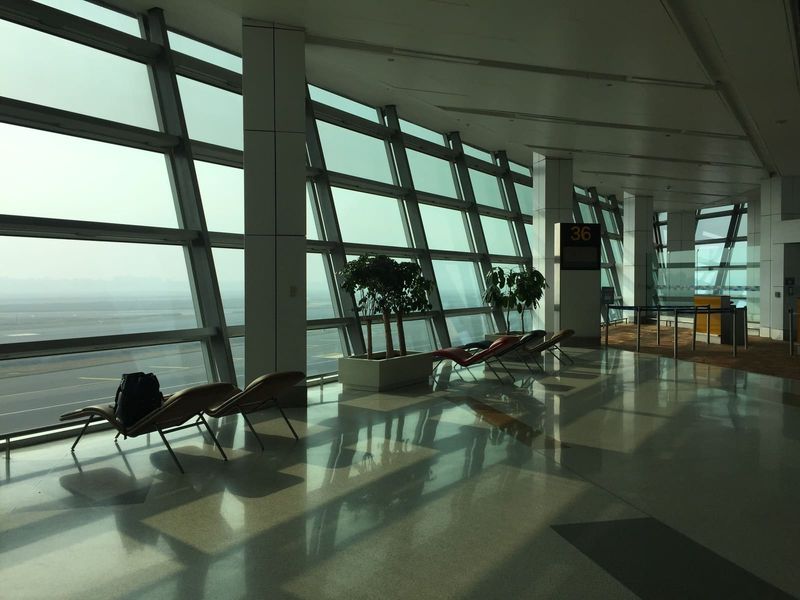
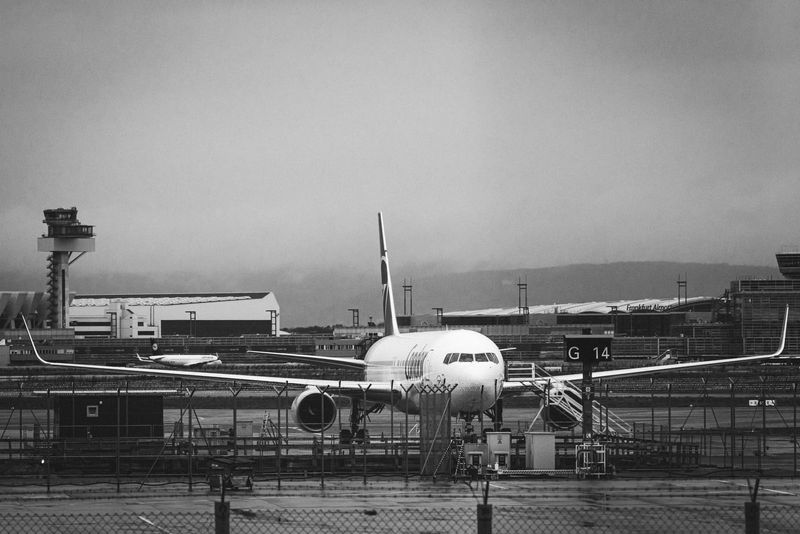
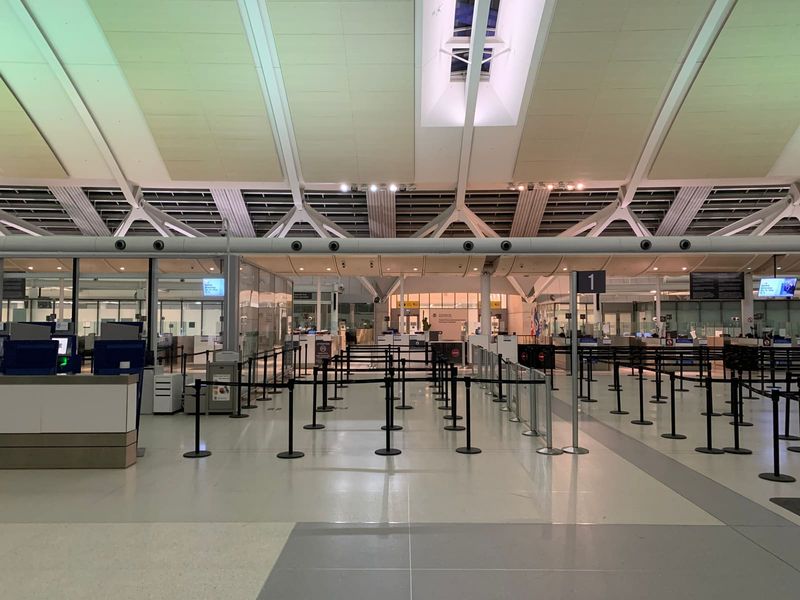
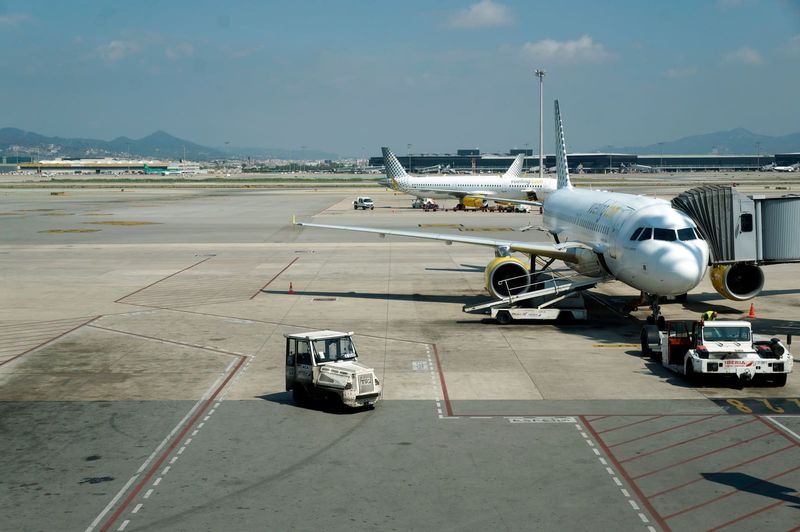
Travellers searching for flights to Dubai, Riyadh or Doha this autumn will notice something odd: the airports themselves are operating, yet seat inventory from many international carriers remains absent well into 2027. Gulf-based airlines have begun rebuilding frequency through their home hubs, but a long list of foreign operators - spanning Europe, Asia and North America - continues to hold routes off-sale pending internal safety reviews that move more slowly than airspace declarations.
The split reflects a deeper reality. Regulatory clearance to fly does not guarantee an airline will choose to do so. Carriers assess crew rest rules, insurance terms, diversion options and exposure over water before committing metal to a route. Those calculations are taking longer for airlines whose home offices sit thousands of kilometres away.
What Reopened Airspace Actually Means
Most flight information regions across the Gulf are now accepting traffic, though with tactical routing constraints. The European Union Aviation Safety Agency has relaxed some restrictions for Bahrain, Kuwait, Qatar and the United Arab Emirates, particularly for services landing at or departing from airports in those states. Yet OPSGROUP, an industry safety cooperative, noted in early September that risk over Gulf waters remains elevated and that operators should limit exposure where feasible.
Kuwait's continued closure to overflights has removed the central corridor that once funnelled Europe-Asia traffic through the region. Long-haul flights now detour south via Egypt, Saudi Arabia, Oman and the UAE, or swing north through the Caucasus and Afghanistan. Both paths add time and fuel burn, and some southern sectors are experiencing congestion.
A Fragmented Timetable
Restart dates cluster around late October, but several suspensions stretch far beyond that marker. Cathay Pacific has removed Dubai and Riyadh from passenger schedules through the end of November. Air Canada's pause on Dubai and Tel Aviv extends into mid-January 2027. Finnair has dropped Helsinki-Dubai for the entire winter season.
Lufthansa Group, British Airways, Singapore Airlines and others have each set different windows, leaving passengers to check the operating carrier rather than relying on a destination's airport status. A ticket booked on a codeshare may be flown by a partner whose suspension policy differs from the marketing airline's.
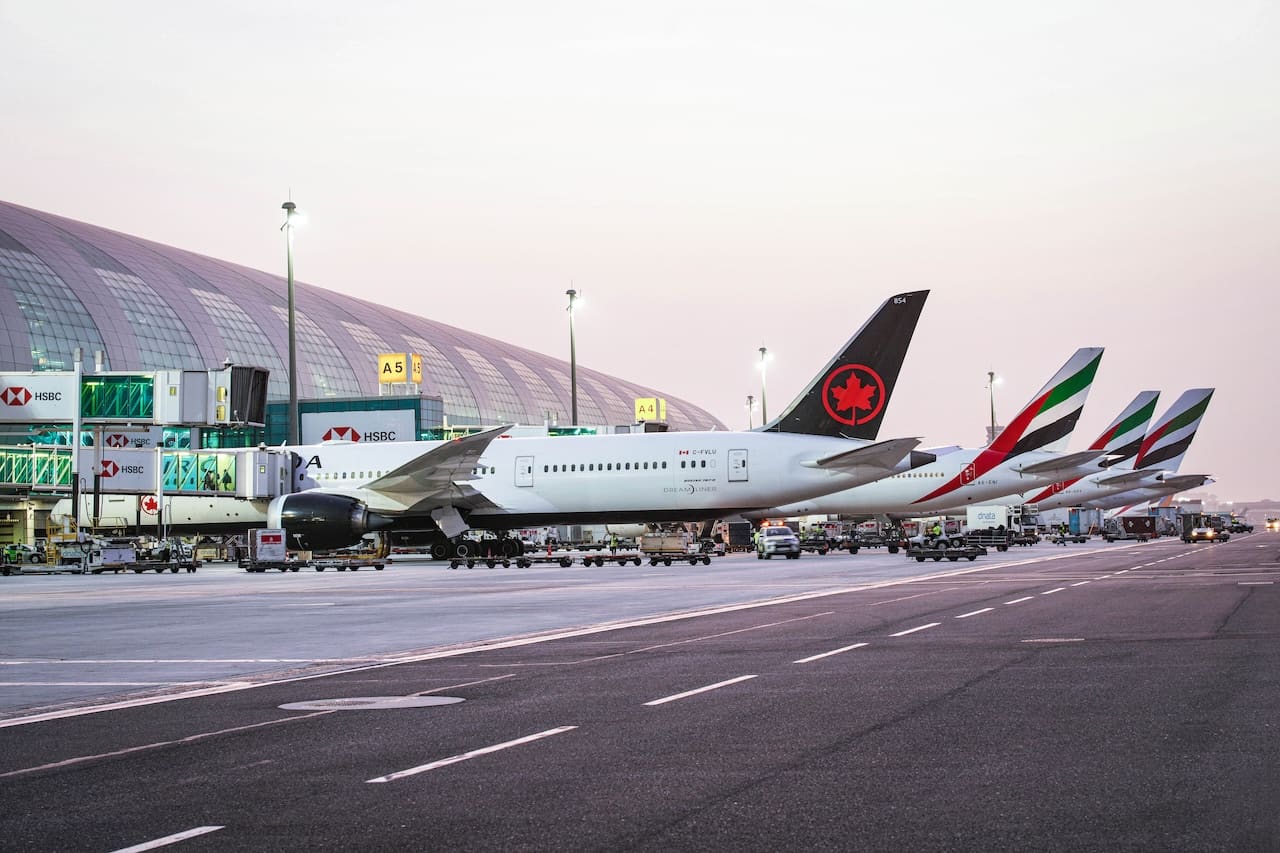
Qatar Airways, meanwhile, has announced plans to serve more than 170 destinations during the winter 2026-2027 schedule, underscoring the operational contrast between home-based Gulf carriers and foreign operators.
Operational Friction Beyond Airspace
Even where flights resume, friction persists. OPSGROUP has flagged widespread GPS jamming and spoofing across the region, a phenomenon that complicates precision approaches and requires crews to rely on older navigation aids. Air traffic control capacity in some areas remains constrained, and periodic military activity continues to prompt temporary route adjustments.
Diversions add a hidden cost. A flight that must reroute mid-journey can miss its connection bank at a hub, leaving passengers stranded for hours or overnight. Hubs absorbing diverted traffic face gate congestion and crew-scheduling knots that ripple through the day's operations.
The 9/11 Echo
This disruption unfolds as the aviation industry marks a quarter-century since the attacks of 11 September 2001. That day reshaped how governments and airlines weigh risk. Reinforced cockpit doors, federalised screening in the United States and a doctrine of layered defence all emerged from the post-2001 reckoning.
The legacy explains why carriers may delay a route even after regulators permit limited operations. Modern aviation security is built around multiple checkpoints, not a single binary decision. An open runway does not override an airline's internal risk model.
What Passengers Should Check
Confirm the operating carrier, not just the name on the booking confirmation. Review the latest travel advisories before departure. Refund and rebooking policies vary by airline and by travel date; a rule that applies to one itinerary may not cover another.
Until airlines can sustain schedules without repeated extensions or emergency cancellations, the region's recovery should be understood as partial. Airspace may be open in a technical sense, but the network that depends on it remains fragile.
Industry watchers point to safeairspace.net, a cooperative platform that tracks real-time restrictions and operator decisions, as a useful reference for those planning travel through the Gulf in the months ahead.