A Street-Level Victory
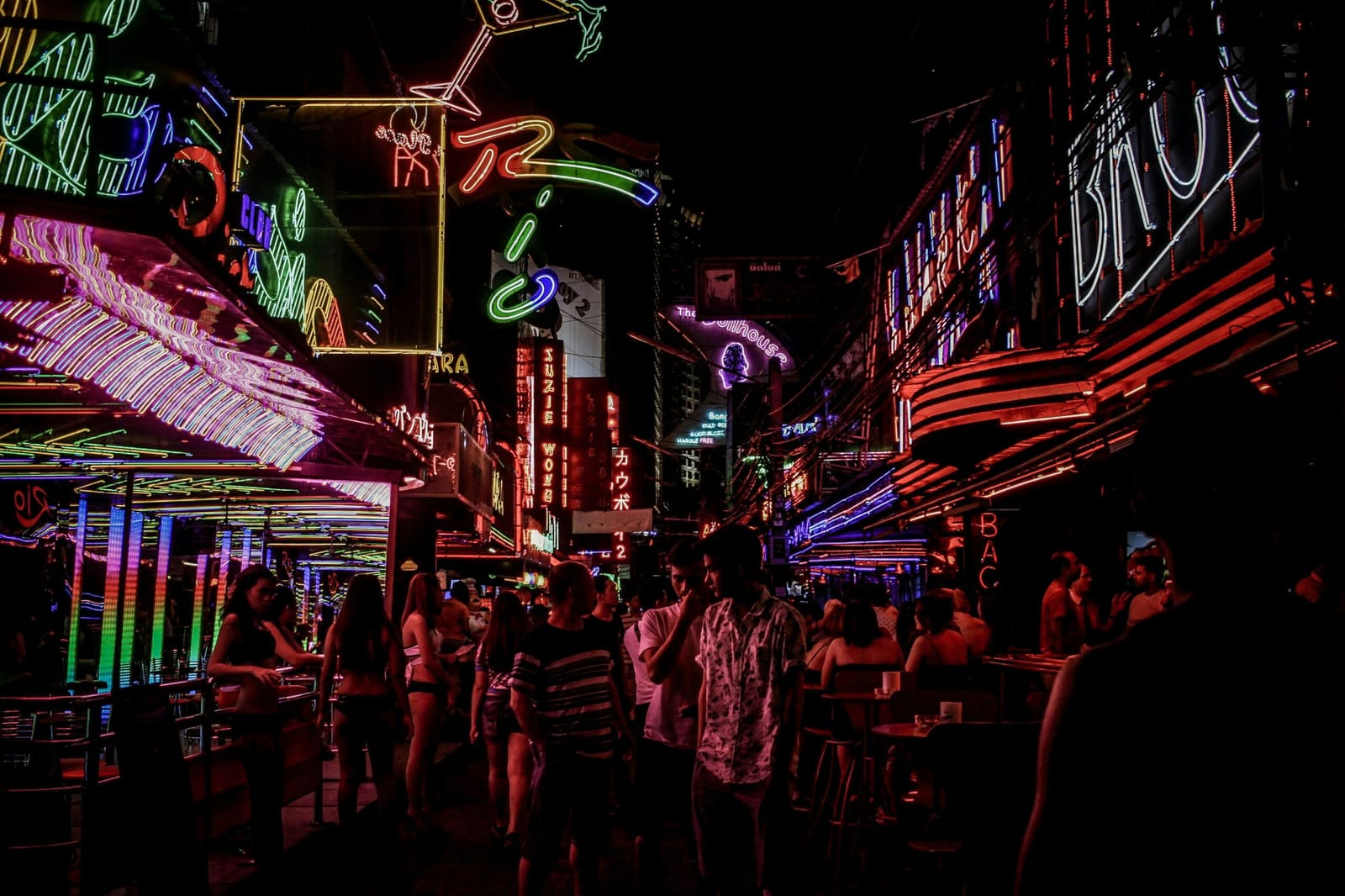
Bangkok's nightlife doesn't wait for you to walk through a door. It spills onto pavements, flows through alleys, and pulses along entire districts well past midnight. That street-level energy helped push the Thai capital to the top of a global nightlife ranking released this week by Time Out, based on responses from more than 24,000 city residents across 150 locations worldwide.
The city climbed from 13th place last year to first in 2026, a sharp rise that reflects both the breadth of its after-dark offerings and the way locals experience them. Survey respondents rated cities on quality, affordability, sense of community, and whether the nightlife felt exciting, diverse, welcoming, and safe. Bangkok scored approval from 73% of local residents, who described the scene as either good or outstanding. Time Out's expert panel gave it a 95% endorsement.
What sets Bangkok apart is variety without borders. Rooftop bars sit alongside neighbourhood cocktail spots, sprawling clubs share streets with late-night food stalls, and LGBTQ+ venues mix with local dives. Chinatown's Soi Nana has become a focal point, where bars like G.O.D, Tep Bar, Ba Hao, and Bar Temp draw crowds onto narrow lanes. Dance clubs host international DJs and local collectives, while venues such as Sing Sing Theater, a red-lanterned cabaret club that appeared in the third season of The White Lotus, add theatrical flair to the mix.
Seventy-three percent of Bangkok respondents also said it was easy to find community and feel connected, a notable figure given the city's size and the transient nature of its nightlife crowd. The ranking suggests that accessibility, both financial and social, plays as much of a role as spectacle.
Berlin Leads Europe, But Faces Pressure
Berlin came in second globally and first among European cities, earning a 78% approval rating from residents and full backing from Time Out's expert panel. The German capital has long been synonymous with club culture, particularly techno, which UNESCO recognized as intangible cultural heritage in 2024.
Yet Berlin's nightlife is also under strain. Rising rents and redevelopment are reshaping the landscape, and some observers have used the term "Clubsterben" to describe the gradual closure of legendary venues. Germany is now working to reclassify clubs as cultural institutions, a move that could offer legal and financial protections, but the shift underscores how fragile even iconic nightlife scenes can be.
The ranking reflects a broader tension in cities that draw global attention for their after-dark culture. Popularity can drive up costs, push out longtime venues, and change the character of neighborhoods. Berlin's second-place finish acknowledges both its enduring appeal and the challenges it now faces in maintaining it.
A Global Spread, With Europe Trailing
New York City took third place, followed by Melbourne and São Paulo. The rest of the top ten included Medellín, Johannesburg, Brighton, Beijing, and Amsterdam. Only three European cities made the top ten, a relatively modest showing for a continent often associated with nightlife innovation.
Brighton recorded the highest community score in the entire ranking, with 84% of residents saying it was easy to meet people and feel part of the local scene. Amsterdam, meanwhile, earned recognition for nightlife spread across its districts. Time Out noted that strong venues exist in Noord, Oost, De Pijp, and Jordaan, not just the city center. Spots like Garage Noord, Pllek, Loop 51, and Door 74 were highlighted as examples of the city's decentralized energy.
The ranking also points to shifting habits. Street parties and rooftop gatherings are growing in popularity, and people are exploring entire neighborhoods rather than concentrating on a handful of marquee clubs. That trend favors cities where nightlife is woven into the urban fabric, not confined to entertainment districts or gated venues.
What the Numbers Say About Connection
The survey's emphasis on community stands out. It's one thing to have exciting nightlife; it's another for residents to feel it brings them together. Bangkok, Brighton, and several other cities scored well on both fronts, suggesting that the best nightlife isn't just about what's available but how accessible and welcoming it feels.
Affordability also mattered. Bangkok's combination of high-quality options and relatively low costs likely contributed to its strong showing, particularly among younger residents and those who go out frequently. In contrast, cities where nightlife is expensive or exclusive may struggle to score well on community and inclusivity, even if individual venues are world-class.
The ranking doesn't predict where nightlife is heading, but it does capture where people feel most connected to it right now. And in 2026, that place is Bangkok, where the night doesn't need a velvet rope or a reservation to feel alive.