A Late-Summer Alternative to Europe's Wine Capitals
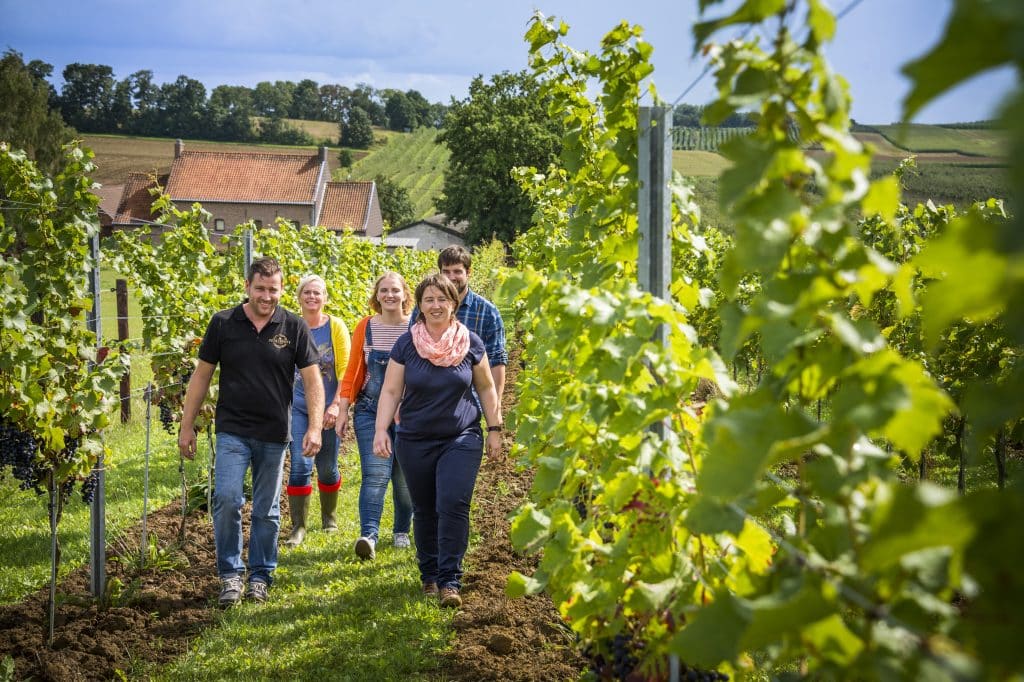
Travelers chasing wine country experiences this summer might overlook Belgium, but the country's Hageland region is making a case for staying closer to home. From 22 August through 13 September, vineyards across Flemish Brabant will host Sprankelend Hageland, a four-weekend event featuring tastings, guided tours, and vineyard walks. Twenty-one activities are scheduled this year, many at estates that don't regularly open to visitors.
The format is deliberately relaxed. Some vineyards welcome drop-ins throughout the day, while others organize specific tours or pair wine with live music and local food. The variety means visitors can tailor their experience, whether they want a structured introduction to viticulture or simply a glass among the vines.
Why Hageland Matters for Belgian Wine
Hageland sits between Leuven, Aarschot, Diest, and Tienen, a landscape of rolling hills and iron-rich sandstone soils. The region's microclimate and distinctive terroir have supported winemaking long enough to earn it formal recognition. In 1997, Hagelandse wijn became Belgium's first wine to receive protected designation of origin status.
That designation reflects both history and quality. Belgian wine production remains small compared to France or Germany, but Hageland has become its most established region. The vineyards here aren't just agricultural curiosities; they're producing wines that have begun attracting attention beyond Belgium's borders.
The four-weekend format gives the event more breathing room than a single festival. Visitors can choose weekends based on location or activity type, and locals can return multiple times without repeating the same experience.
Opening Weekend Focuses on Tielt-Winge
The first weekend, 22 and 23 August, centers on Tielt-Winge, particularly vineyards around Houwaart. The concentration of participating estates makes it possible to visit several producers in a single day without extensive driving.
Wijngaard ten Gaerde opens from 1:00 pm to 8:00 pm both days, with no admission fee. Winemakers Danny and André will pour the new vintage of their 100% Belgian wines and talk visitors through Hageland production methods. Nearby, Het Eikenvat offers tastings of white, red, and rosé wines, plus a guided vineyard walk on Sunday.
Wijndomein den Eeckhout has built out the most ambitious program for opening weekend. Visitors can taste seven wines from the 2025 harvest, join free guided tours, and listen to live piano music among the vines. The estate also features an outdoor photography exhibition, art installations, and children's activities. Den Eeckhout has invested in biodiversity initiatives, including a flower meadow, pond, and natural water purification system, all visible during vineyard tours.
At Houwaartse Wijngaard, the setting is the main draw. The vineyard sits on the Houwaartse Berg, with views across the rolling Hageland landscape. Oysters and regional dishes accompany the wines, and a photography display runs through the vines. Wijndomein Haksberg rounds out the Tielt-Winge cluster.
On Sunday, visitors can also head to Wezemaal to explore the Steenen Muur vineyards and the Hageland Wine Visitor Centre. The program runs from 2:00 pm to 6:00 pm and finishes in the wine cellar beneath the visitor center, where Hageland wines are available for tasting.
Second Weekend Adds Music and Walking
The 29 and 30 August weekend expands the format. On Saturday, the Wezemaalse Wijnfeesten brings a full wine festival to Wezemaal, running from 2:00 pm until midnight. Wijndomein Franckenberg in Meensel-Kiezegem hosts a summer bar from 3:00 pm to 10:00 pm, pairing local wines with fresh pizza and vineyard views.
Several other estates open during the weekend, including Wijndomein Liemau, Wijnfaktorij, Wijndomein Chartreuzenberg, and Wijndomein Graevenberger. The variety means visitors can choose between festival atmosphere and quieter vineyard visits.
Sunday 30 August offers a free guided walk across the Wijngaardberg in Wezemaal. The route passes through vineyards toward the historic ironstone wine wall, including a restored section. The walk can be combined with a visit to the Hageland Wine Visitor Centre and cellar tasting.
The inclusion of walking routes acknowledges that Hageland's appeal extends beyond the wine itself. The region's rolling hills, forests, and sunken lanes make it natural territory for hiking and cycling.
September Weekends Slow the Pace
Sprankelend Hageland continues into September, when the pace shifts slightly. The first weekend of the month, 5 and 6 September, offers another chance to visit the Steenen Muur vineyards and Hageland Wine Visitor Centre on Sunday afternoon. The weekend is designed for visitors who want to combine vineyard visits with longer walks or bike rides through the surrounding countryside.
The closing weekend, 12 and 13 September, arrives as summer begins transitioning into harvest season. Wijndomein Franckenberg opens both days, with guided tours and tastings overlooking the vineyards. Wijndomein Petrushoeve in Molenbeek-Wersbeek runs hourly tours between noon and 5:00 pm, with wood-fired pizza available on site.
Walking Between Vineyards
The vineyards themselves are scattered across Hageland's landscape, connected by a network of walking and cycling routes. Distances are manageable: the Chartreuzenberg Walk covers 7 kilometers, while the Speelberg Walk extends to 12 kilometers.
The 7.4-kilometer Wijngaardberg Walk from Wezemaal combines vineyard landscapes with views of the ironstone wine wall, a distinctive feature of the region's viticulture history. The 9.2-kilometer Houwaartseberg Walk passes a dense concentration of vineyards before reaching the Wijnbank, a large wine bench with views across the surrounding hills.
More ambitious walkers can tackle the 10.7-kilometer From Hill to Hill Walk, which links the Houwaartseberg vineyards with wetlands and woodland in the Walen Forest. These routes make it possible to turn a wine-tasting excursion into a full day or weekend exploring Flemish Brabant's countryside.
What This Means for Belgian Wine Tourism
Sprankelend Hageland reflects a broader shift in how Belgian wine regions are positioning themselves. Rather than imitating the grand estates of Bordeaux or Tuscany, Hageland is emphasizing accessibility and local character. The four-weekend format spreads visitors across time and geography, reducing pressure on individual estates while giving people multiple entry points.
The mix of free drop-in visits and organized experiences also lowers barriers. Wine tourism can feel exclusive or intimidating, particularly for casual drinkers. Hageland's approach, pairing tastings with walking routes, local food, and family activities, makes the region approachable for people who might not identify as wine enthusiasts.
For Belgium, this matters. The country's wine industry is small and still building recognition. Events like Sprankelend Hageland help establish viticulture as part of the region's tourism identity, not just an agricultural footnote. Visitors who come for the wine often leave with a broader appreciation for Hageland's landscape and culture.
The timing, late August through mid-September, also positions the event as a shoulder-season draw. Summer crowds have thinned, but weather remains favorable for outdoor activities. For travelers based in Belgium or neighboring countries, it's an easy add to a late-summer itinerary.
Advance registration may be required for some guided tours and specific experiences. Visitors planning to attend should consult the full program before traveling.