A City Built on Heavy Metal and Hidden Waterways
Birmingham doesn't exactly top most travelers' wish lists. The West Midlands hub carries the baggage of its industrial past, often dismissed as gritty or unremarkable. Yet the city's cultural credentials run deeper than many realize. It gave birth to both heavy metal and the balti curry. Its canal network stretches longer than Venice's. And recent investments, including new BBC studios expected to inject £282 million into the region by 2031, are drawing fresh attention to a place that has quietly nurtured creativity for decades.
Visitors arriving today will find traces of Ozzy Osbourne everywhere. Birmingham Museum and Art Gallery runs a free exhibition on the Black Sabbath frontman. Victoria Square displays the band's album covers outdoors. Tourists leave flowers on the Black Sabbath bridge along Broad Street. Earlier this year, the Birmingham Hippodrome staged Black Sabbath: The Ballet, a production that married classical dance with grinding guitar riffs.
But the city's identity extends far beyond one rock legend. Its industrial heritage earned it the nickname "workshop of the world" in the 19th century. The Nightingale Club, one of the UK's longest-running queer venues, has anchored the local LGBTQ+ scene for years. And the Bullring shopping centre's futuristic, curved facade has become an accidental architectural landmark.
Digbeth Leads the Creative Charge
The Digbeth neighborhood sits just steps from the Bullring, yet feels worlds apart. Street art covers brick walls. Vintage shops and independent cafes line the streets. The area is where the BBC's new headquarters will land, a signal that Birmingham's creative economy is gaining momentum.
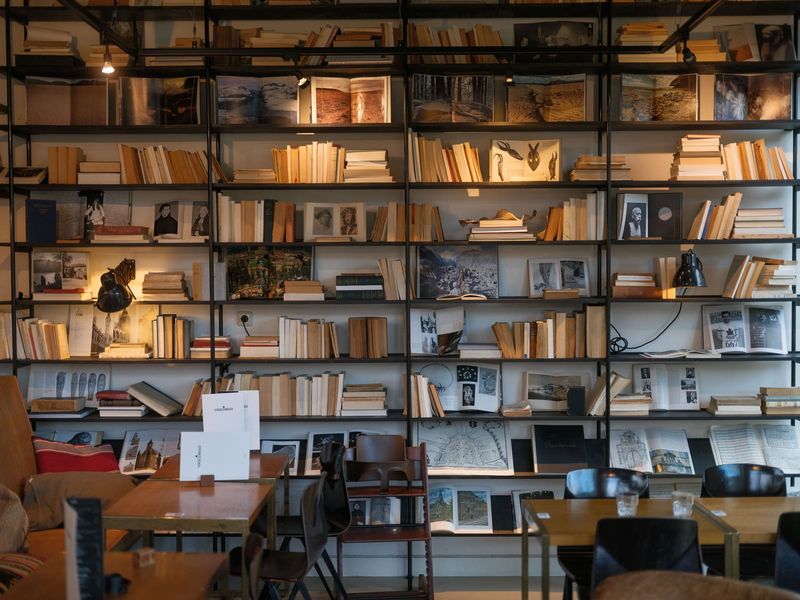
Voce Books opened in 2022, founded by Clive Judd and Maria Lomunno Judd. The indie bookshop organizes its shelves by publisher rather than author, spotlighting small presses like And Other Stories, Fitzcarraldo Editions, and Tilted Axis Press. Author events spill over into the worker-owned BRIG Café next door, a grassroots gathering spot with worn sofas and strong coffee.
Down the street, vintage hunters can dig through racks at Cow or browse the Custard Factory's shops. Red Brick Market offers quirky souvenirs. A mural of Moo Deng, the viral pygmy hippo, has become a local photo op.
History Meets Late-Night Jazz
The Grand Hotel Birmingham opened in 1879, and its recent renovation preserved ornate ceilings and grand ballrooms. The hotel's restaurant, Isaac's, transforms into a speakeasy after 10 p.m., complete with jazz performances and Art Deco flourishes. The aviation cocktail tastes like liquid Parma Violets, a nostalgic nod to British candy.
For a more laid-back evening, the Old Contemptibles pub near the hotel offers cozy corners and local brews. In Digbeth, the Old Crown is a listed building known for Sunday roasts that draw crowds.
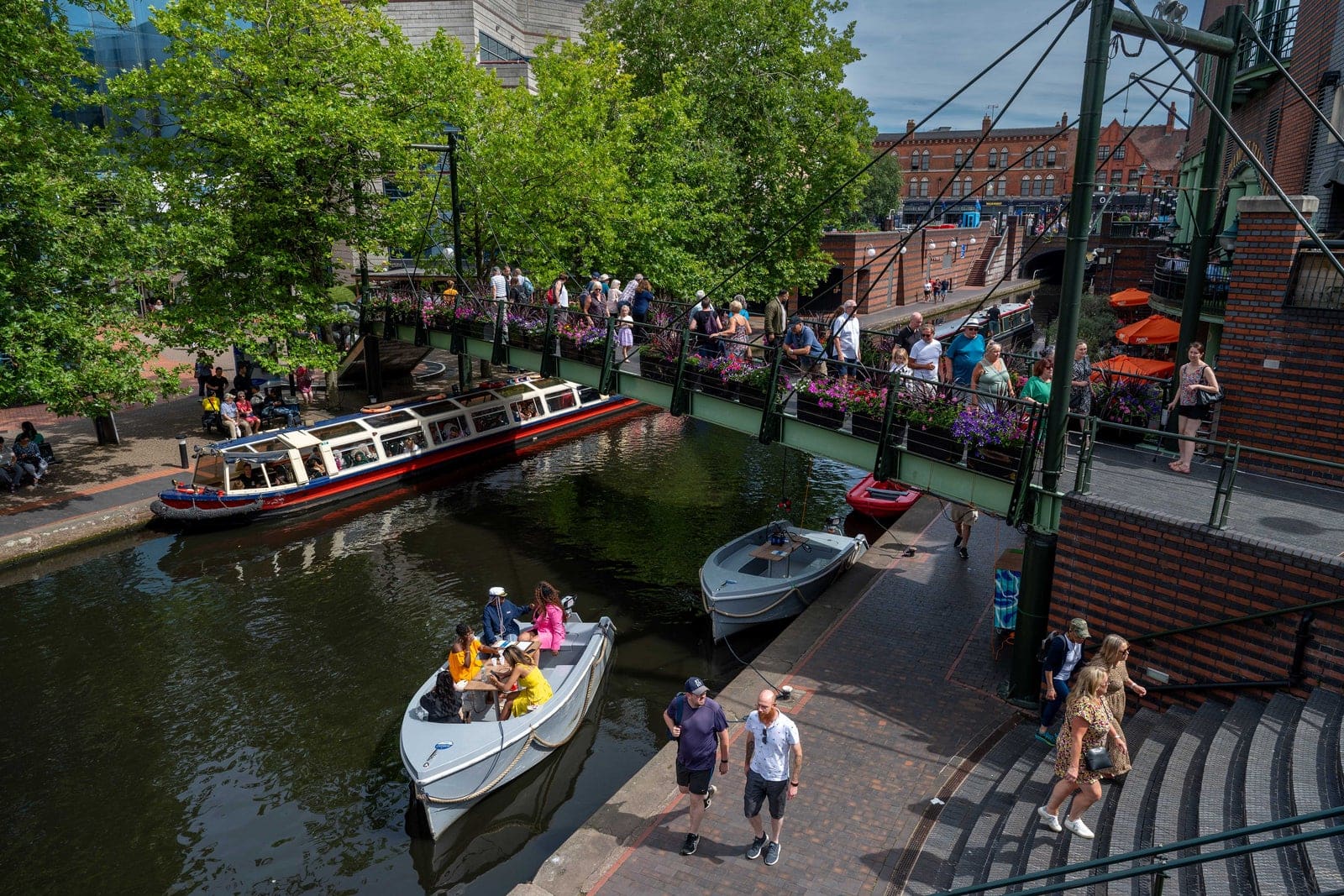
A 65-minute narrowboat tour with Sherborne Wharf reveals Birmingham's canal history from the water. The city's waterways once powered its industrial boom, and today they offer a quiet escape from urban noise. Before boarding, the IKON Gallery is worth a stop. Its singing lift is an oddity worth experiencing, and the gallery itself hosts contemporary art exhibitions.
The Jewellery Quarter holds smaller museums dedicated to pens and coffins, though the area feels quieter than other parts of the city. Instead, the Library of Birmingham offers a panoramic view from its top floor, plus Secret Gardens tucked into the building. A gallery room inside currently features an exhibition on veganism's history, soundtracked by Benjamin Zephaniah's "Love The Life," a song that lodges itself in your brain for hours.
Eating Across Continents
Birmingham's Balti Triangle, once a hub of South Asian restaurants, has shrunk due to rising rents. Only four original spots remain, with Shababs the most popular. But the city still delivers on South Asian flavors. Indian Cafe Racer serves Indo-Chinese fusion and fish curries. In Chinatown, Kyoto Sushi & Grill offers all-you-can-eat sushi a short walk from the Hippodrome, convenient for pre-theater dining.
Brunch options include Cherry Reds, known for towering pancake stacks. Urban Café in the Jewellery Quarter serves specials like cheese and truffle mushroom toasties alongside blueberry matcha drinks.
Nights Fueled by Drag and Goth Clubs
After dark, Birmingham's queer scene pulses with energy. The Nightingale Club recently reopened after renovations, hosting performers like Snow White Trash, billed as Britain's only "saxy drag queen." Local icons such as Twiggy and events like Shout Festival keep the scene vibrant year-round. Hurst Street is home to the Glee Club, a comedy venue that books national and local acts.
In Digbeth, Centrala is a nonprofit art hub programming cult film screenings and goth club nights. The Rainbow serves vegan food and hosts a packed events calendar. Mockingbird Cinema screens blockbusters alongside arthouse films and community events. Next door, Chance & Counters board game cafe stocks over 500 titles and serves beer and cider on tap.
Beyond the City Centre
A short bus ride opens up more neighborhoods. Harborne is a charity shop haven, ideal for secondhand finds. King's Heath, in the south, is home to The Hare & Hounds, one of Birmingham's most storied music venues. The city's musical legacy spans Led Zeppelin to Stefflon Don, and local venues continue to nurture emerging talent.
Birmingham has long operated in the shadow of London, Manchester, and Edinburgh. But its canal-side walks, indie bookshops, and late-night speakeasies suggest a city that has quietly built something worth visiting. The BBC's arrival may amplify what locals already know: Birmingham has been hiding in plain sight.