Two Simple Tests
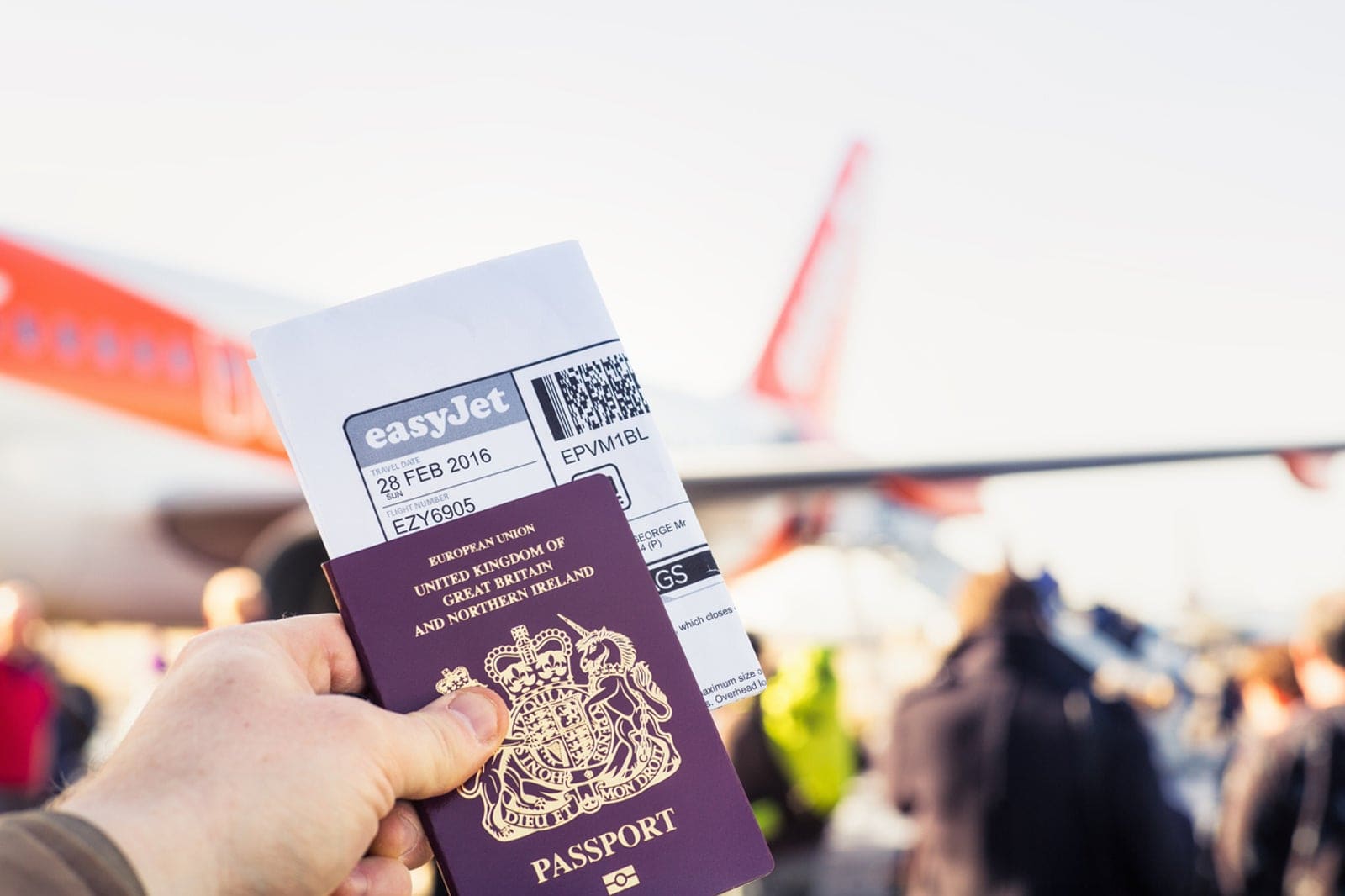
British travelers heading to most of Europe now face two passport requirements that didn't exist before Brexit. Your passport must have been issued within the previous 10 years on the day you enter the EU. And it must remain valid for at least three months beyond your planned departure date.
These rules apply across the Schengen Area, which covers most EU countries plus Switzerland, Norway, Iceland, and several smaller states. They're not new regulations the EU invented after Brexit. They were already on the books for non-EU visitors while Britain was still a member.
The shift happened because the UK became what the EU classifies as a "third country" when the Brexit transition period ended. That classification brings specific documentation standards that weren't required when British passports enjoyed the same status as those from France or Germany.
The 10-Year Issue Rule
For years until September 2018, the UK allowed people renewing their passports to roll over up to nine months of unused validity. Someone renewing in October 2015 might receive a passport valid until July 2026, giving them more than 10 years and nine months of total coverage.
That extra time worked fine everywhere in the world until Brexit triggered a dormant EU regulation. For third-country nationals, passports cannot be more than 10 years old from their issue date, regardless of the expiry date printed inside.
A passport issued on October 31, 2015 stops being valid for EU entry after October 31, 2025, even if it shows an expiry date months later. The UK stopped granting extra months once officials realized the problem in late 2018, but millions of passports issued before then still carry the extended validity.
The Three-Month Buffer
The second requirement is straightforward. Your passport needs at least three months of validity remaining on the day you plan to leave the Schengen Area. This rule exists independently of the 10-year issue requirement.
You don't need a passport issued less than nine years and nine months ago. The European Commission's Migration and Home Affairs Department has clarified that the issue date matters only at the moment of entry, not throughout your stay. Once you're in, the three-month validity rule is what counts for your departure.
A traveler arriving on December 1, 2021 for a 20-day stay with a passport issued on December 2, 2011 and expiring on April 2, 2022 meets both conditions and should be admitted, according to the EU's Practical Handbook for Border Guards.
When Airlines Get It Wrong
Some UK airlines have mistakenly denied boarding to passengers whose documents met both EU requirements. British Airways and easyJet have both turned away travelers who were legally entitled to fly. Norway deported a British skier who arrived with a valid passport that complied with all rules.
When an airline wrongly refuses boarding, passengers can claim compensation of £220 or £350 depending on flight distance, plus associated costs like replacement flights, unused hotel bookings, and car rental fees that can't be recovered.
The confusion seems to stem from misunderstanding how the two rules interact, or from applying overly cautious interpretations that don't match what EU regulations actually require.
The 90-in-180 Limit
Passport validity is only part of the picture. British visitors to the Schengen Area can now stay a maximum of 90 days within any 180-day period. That's roughly three months in six, but the calculation can get tricky.
The 180-day window rolls backward from today. Days spent in the Schengen Area more than 180 days ago don't count. What matters is how many of the past 180 days you were inside versus outside the zone.
Once you hit 90 days inside, you must leave and stay out until you accumulate 90 consecutive days outside. Then you can return for another 90-day stretch. Over a calendar year, this might mean entering January 1 for 90 days, leaving April 1 for 90 days, returning June 30 for another 90, then staying out from late September until late December.
Some countries offer longer-stay visas for British citizens. Time spent under those visas doesn't count toward the 90-in-180 rule, meaning you can travel to other EU countries with a fresh calendar.
Ireland and Cyprus
Ireland operates outside these requirements entirely. British travelers face no passport validity limits there, and technically a passport isn't even legally required, though airlines often insist on one.
Cyprus follows the same 10-year issue and three-month validity rules as the Schengen Area, but time on the island doesn't count toward the 90-in-180 calculation because Cyprus isn't part of Schengen despite being in the EU.
Full Passports and Empty Pages
What happens if your passport is packed with stamps and has no blank pages left? Eurostar warns passengers to check for empty space because border officials need to stamp travel dates.
The EU's border guard handbook addresses this scenario directly. A full passport isn't grounds for refusing entry. Officials should recommend applying for a new passport so future stamps can be added, but as an exception, they can use a separate sheet for additional stamps, particularly for regular cross-border travelers.
The lack of empty pages alone is not a valid reason to turn someone away at the border.
Children's Passports
UK passports for children under 16 are valid for five years, so they automatically meet the 10-year issue requirement. But their shorter validity period makes them more likely to fall short of the three-month buffer, especially if parents aren't tracking expiry dates closely.
Beyond Europe
The 10-year issue rule is specific to the European Union. It doesn't apply anywhere else in the world as far as documented international travel requirements go.
For destinations like Australia, the United States, and Canada, your passport remains valid up to and including its expiry date. You could theoretically be in New York on the last day your passport is valid, though you'd need a daytime flight home to avoid it expiring mid-journey.
The focus outside Europe is purely on the expiry date, not when the document was issued. That makes planning simpler for British travelers heading to non-EU destinations, where the pre-Brexit norms still largely apply.
Sorting Through the Noise
Misleading information continues to circulate about these rules. Some sources incorrectly claim EU countries no longer accept additional validity, or conflate the two separate requirements into a single nine-year-and-nine-month threshold that doesn't exist.
The reality is less dramatic but does require attention. Check your passport's issue date and expiry date before booking European travel. Make sure both the 10-year and three-month tests are satisfied. And keep records handy in case you need to push back against an airline or border official who misapplies the rules.
Brexit added friction to what used to be seamless travel between Britain and the continent. Understanding the actual requirements, rather than the rumors, makes navigating that friction considerably easier.