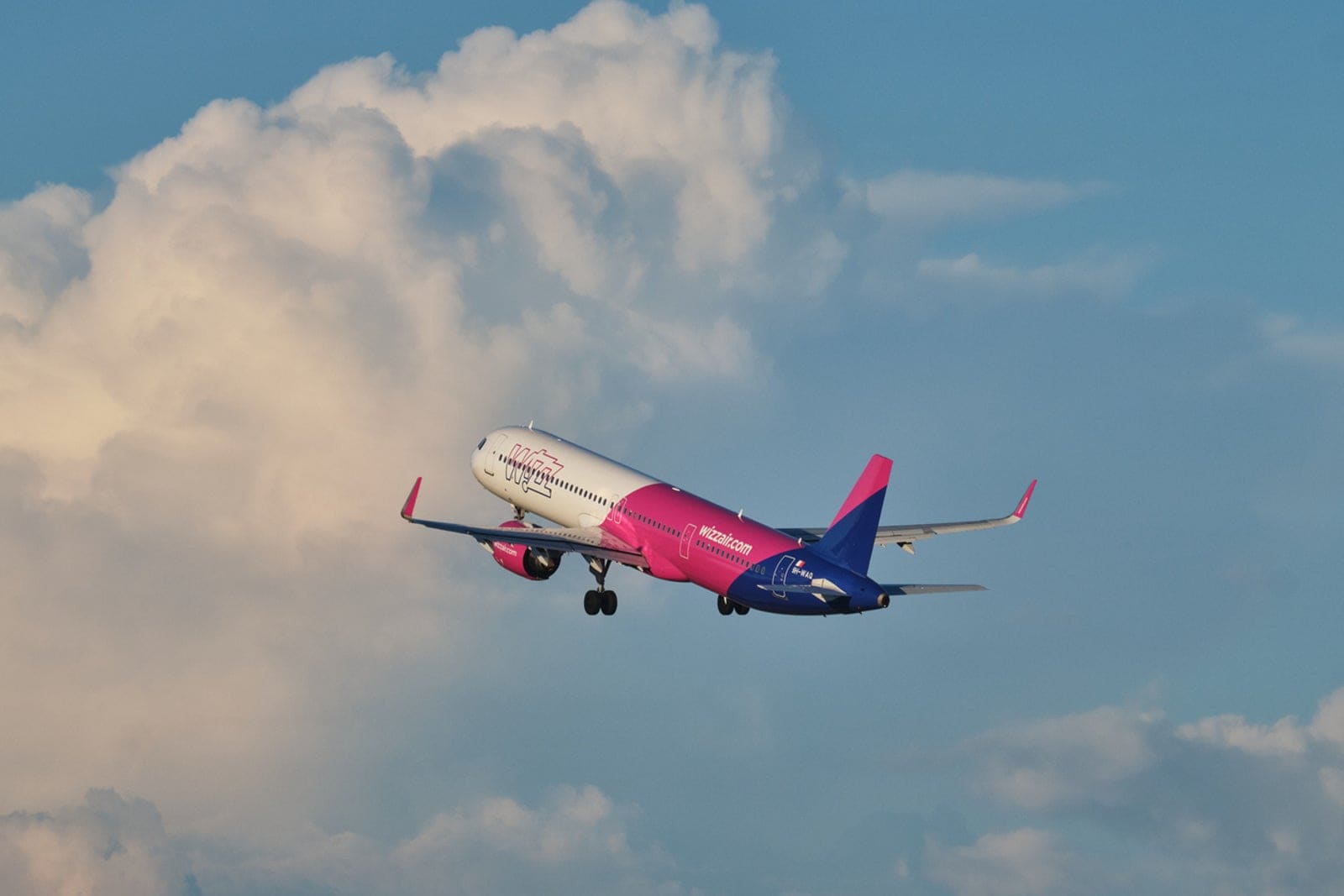
A Sharp Reversal
Wizz Air posted an operating loss of €183 million for the three months ending in June, a sharp reversal from the €27.5 million profit the Hungarian low-cost carrier reported in the same quarter a year earlier. The airline attributed the swing to fuel expenses that climbed 39 percent year-on-year, reaching €610.5 million, as Brent crude prices topped $120 a barrel in late April.
The airline said market fuel prices were running 87 percent higher than the previous year, a cost it managed to partially offset through internal hedging and operational adjustments. Still, the scale of the increase underscores how quickly external shocks can erode thin margins in the budget-carrier segment, where fuel typically accounts for a third or more of operating costs.
Wider Industry Pressure
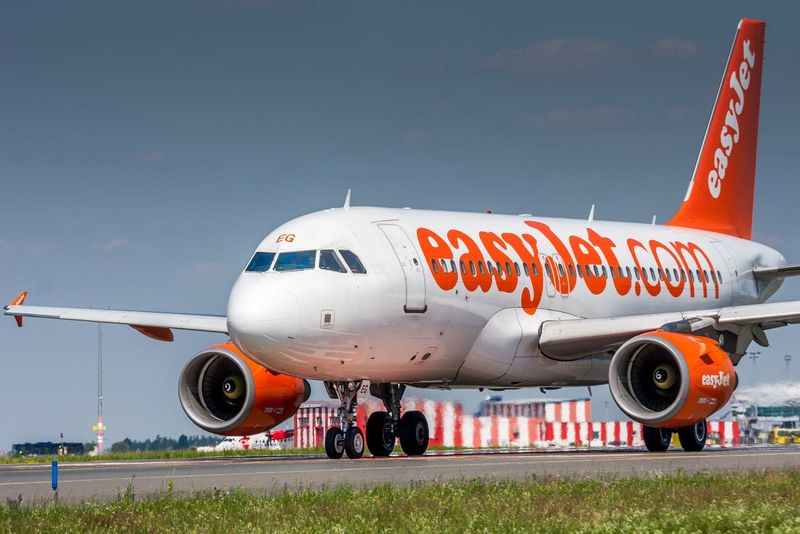
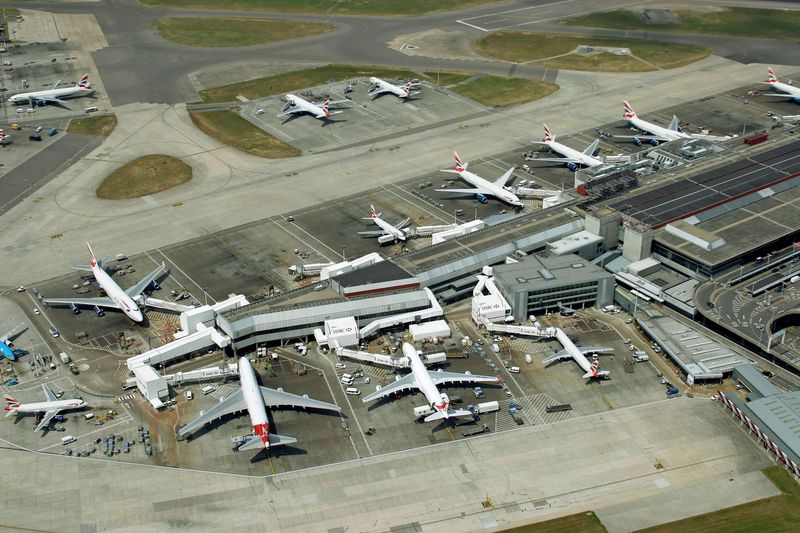
Wizz Air is not alone. Ryanair, easyJet, and IAG, the parent of British Airways, have all reported softer profits in recent months, with fuel expenditure cited as a common headwind. The spike in oil prices follows heightened conflict in the Middle East, which has disrupted supply expectations and added a risk premium to crude markets.
For airlines operating high-frequency, short-haul networks, the impact is immediate. Unlike legacy carriers with more diversified revenue streams and premium cabins, budget airlines rely on volume and cost discipline. When fuel swings this violently, ticket prices often cannot adjust fast enough to preserve margins, especially on routes booked months in advance.
Route Adjustments and Capacity Shifts
Earlier this year, Wizz Air took a €50 million hit after suspending flights to Tel Aviv and trimming services to Cyprus and other destinations in the region. Many of those routes have since restarted, but the airline is now reallocating aircraft away from longer Middle Eastern sectors toward shorter European routes, where turnaround times are faster and fuel burn per passenger is lower.
Chief executive Jozsef Varadi said the company is "strengthening the core network, improving density and reallocating flying from longer-haul Middle Eastern operations into shorter European sectors." The strategy reflects a broader industry pivot: when fuel is expensive, shorter flights with higher load factors become more attractive, even if absolute revenue per departure is lower.
Passenger Growth Amid Financial Strain
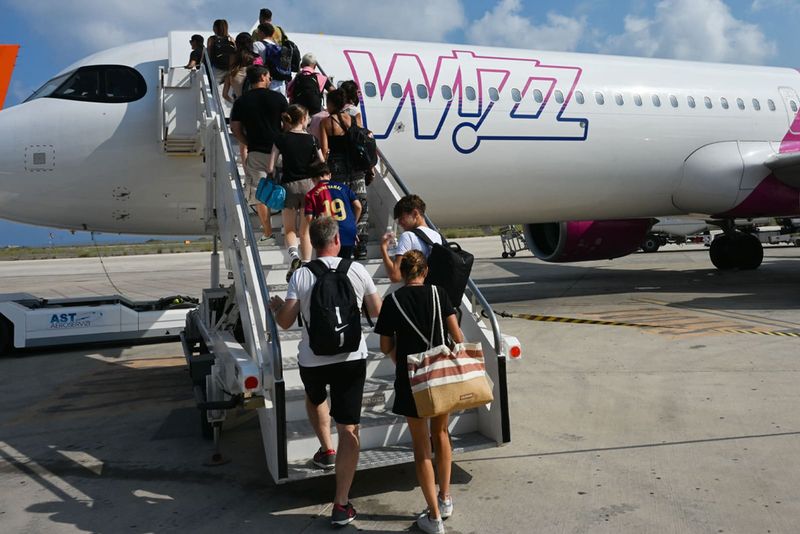
Despite the loss, Wizz Air carried 21.2 million passengers during the quarter, up 25 percent year-on-year. Total revenue rose 5.5 percent to €1.5 billion. The figures suggest demand remains robust, but that growth alone is not enough to overcome the cost pressures bearing down on the sector.
The disconnect between rising passenger numbers and falling profitability is a familiar pattern in low-cost aviation. Load factors and ancillary revenue can cushion the blow, but when fuel costs move as sharply as they have in recent months, the cushion wears thin.
Looking Ahead
Varadi described the quarter as "extremely volatile" and said the airline expects both challenges and opportunities through the rest of the year. The outlook hinges on two variables: whether crude prices stabilize and whether booking patterns, which the airline said have shifted, return to more predictable rhythms.
For travelers, the immediate effect is likely to be felt in fares. Budget carriers may raise prices on peak routes or reduce frequency on thinner markets to preserve cash. For the industry, the episode is a reminder that geopolitical risk and commodity volatility remain as potent as ever, even as passenger appetite for travel continues to recover.