A First for Bulgaria
Burgas will welcome Eurovision 2027, marking the first time Bulgaria has hosted the music competition. The Black Sea city secured the bid over the capital Sofia, with the contest scheduled for May 12-15 at Arena Burgas, the country's newest sports and entertainment venue that opened in 2023.
Bulgaria earned hosting rights after Dara's victory in May with the track "Bangaranga," the country's first-ever win at the competition. Martin Green, Eurovision's director, described Burgas as a city with the infrastructure and cultural identity needed for the event. The choice reflects a preference for a coastal setting over the landlocked capital.
A City Built Around Water and Green Space
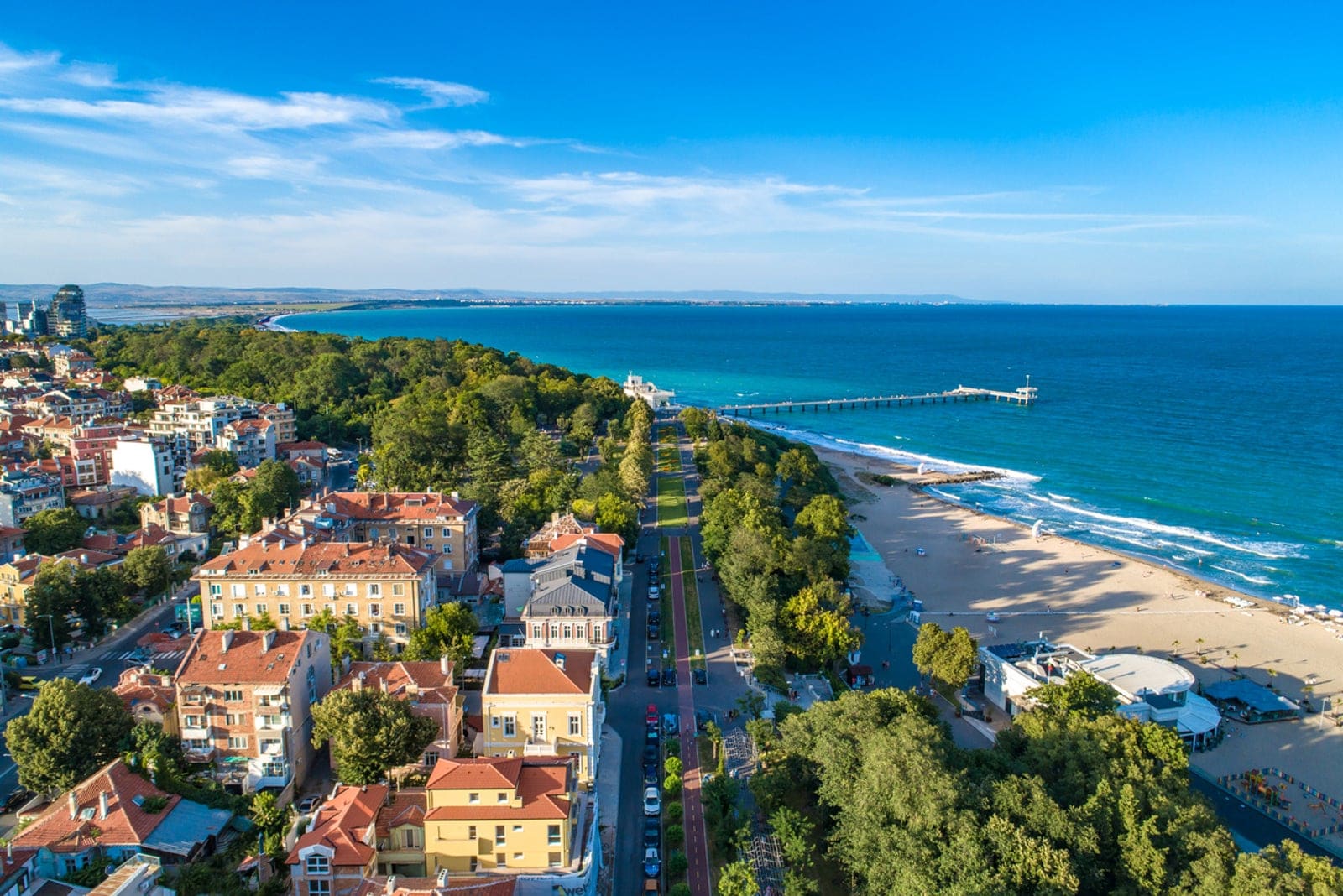
Burgas sits on Bulgaria's eastern coastline and ranks as the country's fourth-largest city, home to around 189,000 people. The urban landscape centers on the Sea Garden, a five-kilometer stretch of parkland running along the waterfront. Packed with trees, sculptures, fountains and walking paths, the space functions as both a recreational hub and a buffer between the city center and the beaches.
Central Beach and North Beach draw crowds during sunny weather, offering clean sand and shallow water with restaurants and cafes nearby. Sarafovo Beach, located eight kilometers north, provides a quieter alternative with a gradual seabed that appeals to families. Between July and October, the city hosts a sand sculpture festival where artists construct large-scale works directly on the beach.
The pier extends 300 meters into the Black Sea, serving as a gathering spot at sunset. The waterfront remains walkable and compact, with most attractions accessible on foot from the area between the city center and the Sea Garden.
Wetlands and Migratory Routes
Burgas sits at the intersection of several major wetlands: Lake Atanasovsko, Lake Burgas (also called Vaya), Lake Mandra and Lake Pomorie. These bodies of water lie along important migratory routes for birds traveling between Europe, Asia and Africa, making the area a draw for birdwatchers.
Atanasovsko Lake, known locally as the pink lake, hosts a resident population of flamingos. The water's high salt content allows swimmers to float, and the lake floor contains mineral-rich muds that some visitors use for therapeutic purposes. The lake sits close enough to the city for a day trip.
The wetlands also attract cormorants, seagulls and other species, with different birds appearing depending on the season. The Natural History Museum in the city documents the region's flora, fauna and geology.
Cultural Infrastructure
Burgas maintains several museums that reflect the region's history and natural environment. The Archaeological Museum holds Greek pottery, ancient relics, jewelry, coins and marine artifacts recovered from the Black Sea coast. The Ethnographic Museum, a short walk away, displays traditional Bulgarian costumes and objects from regional daily life.
The city's music scene extends beyond the Eurovision stage, with venues hosting performances that range from opera to techno, indie rock to jazz. The cultural calendar runs year-round, though activity peaks during the warmer months when outdoor events fill the Sea Garden and waterfront areas.
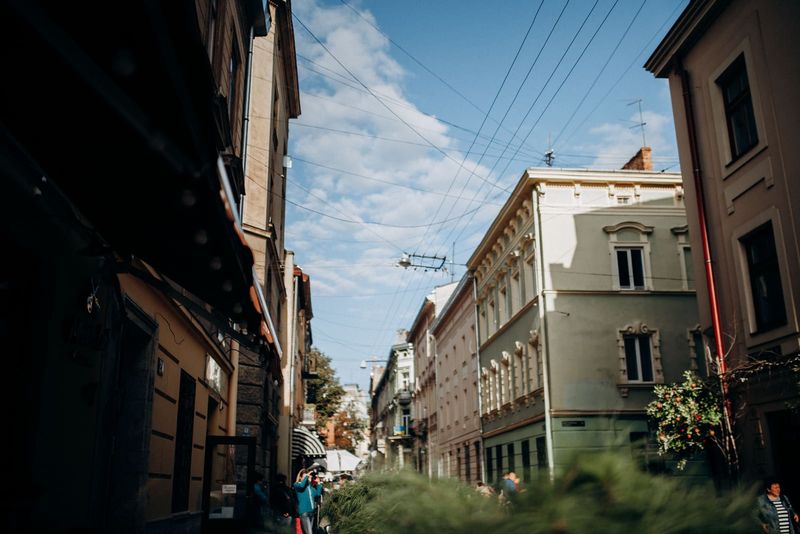
The Cathedral Church of Sts. Cyril and Methodius stands as one of the city's architectural landmarks, while Art Nouveau details appear in some of the older buildings near the center.
Practical Considerations
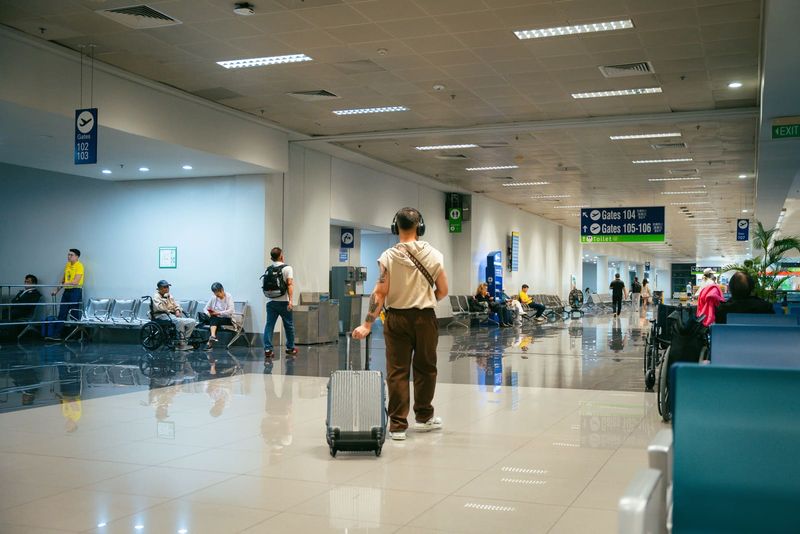
Burgas International Airport sits ten kilometers northeast of the city, with regular bus service into town. Jet2 and easyJet operate flights from several UK airports, with journey times averaging three hours and 25 minutes. A direct train connects Burgas to Sofia, though the nearly 400-kilometer trip takes several hours and delays are common.
Accommodation costs remain affordable compared to other European cities hosting major events. Mid-range hotels cluster between the city center and the Sea Garden, placing visitors within walking distance of beaches, museums and restaurants. The compact layout means taxis and public transport are often unnecessary for reaching main attractions.
The city's walkability and relatively small size may prove advantageous during Eurovision week, when tens of thousands of visitors typically descend on host cities. Arena Burgas, completed in 2023, will handle rehearsals, semi-finals and the grand final.
What the Win Means
Hosting Eurovision represents a significant moment for Bulgaria's tourism profile. The contest typically draws an international television audience in the hundreds of millions, offering sustained exposure for the host city. Previous host cities have reported increases in tourism inquiries and bookings in the years following the event.
For Burgas, the timing coincides with efforts to position the Bulgarian Black Sea coast as a viable alternative to more crowded Mediterranean destinations. The city offers beach access, cultural attractions and natural areas at price points below those of Western European coastal cities. Eurovision provides a platform to showcase these assets to a global audience.
The choice of Burgas over Sofia also signals a deliberate move to highlight Bulgaria's coastal regions rather than defaulting to the capital. Sofia has more hotel capacity and larger venues, but Burgas brings a different set of assets: immediate beach access, wetland ecosystems and a compact, walkable layout that may appeal to visitors looking to combine the contest with a seaside break.
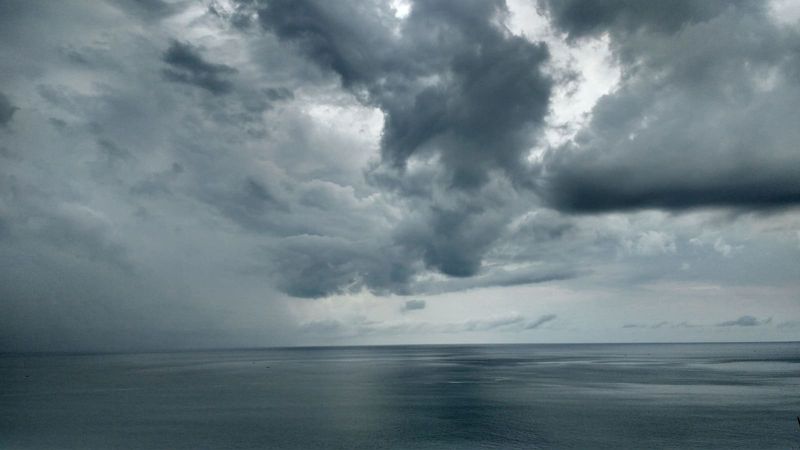
May weather on the Black Sea coast tends toward mild and sunny, though not yet peak summer season. That timing could work in Burgas's favor, offering pleasant conditions without the intense heat and crowds that arrive later in the season.