A Recovery Interrupted
Canadian travelers had finally begun returning to the United States in meaningful numbers. For four straight months, visitor arrivals from north of the border posted year-over-year gains, a promising sign for American hotels, ski resorts, and border-town businesses that depend heavily on the Canadian market. Then trade tensions flared, and the momentum stalled.
The timing is particularly awkward. Canada represents the largest source of international visitors to the U.S., accounting for roughly a fifth of all inbound arrivals in recent years. The market had been rebuilding steadily after pandemic-era disruptions, with Canadians resuming weekend shopping trips to Seattle, ski holidays in Vermont, and winter escapes to Florida. But trade disputes between the two governments have introduced a new variable that few in the industry anticipated.
What Trade Friction Means for Travel Decisions
Trade wars rarely announce themselves with fanfare at the border, but they do shift consumer sentiment. When tariff disputes dominate headlines, travelers start second-guessing discretionary spending. The Canadian dollar often weakens against the greenback during periods of economic uncertainty, making U.S. trips more expensive. And while no government has suggested restricting leisure travel, the psychological effect of bilateral friction can be enough to tip a family toward staying home or choosing a different destination.
For American hotel operators, especially those in gateway cities like Buffalo, Detroit, and Seattle, the stakes are tangible. Canadian guests tend to book shorter stays but visit more frequently than long-haul international travelers. They fill midweek occupancy gaps and support shoulder-season business. Losing even a modest share of that traffic can compress revenue per available room at properties that have come to rely on it.
Border Markets Feel It First
The impact is most visible in communities where Canadian visitors are part of the economic fabric. Outlet malls in northern New York, ski areas in the Cascades, and beach towns along the Great Lakes all draw heavily from Ontario, Quebec, and British Columbia. These are not luxury travelers chasing bucket-list experiences; they are families and couples making routine trips that add up to significant volume.
When cross-border sentiment sours, it shows up quickly in booking data. Advance reservations slow, day-trip traffic thins, and local businesses that cater to Canadian guests begin adjusting inventory and staffing. The effect cascades through supply chains that extend well beyond the immediate border zone.
The Broader Context
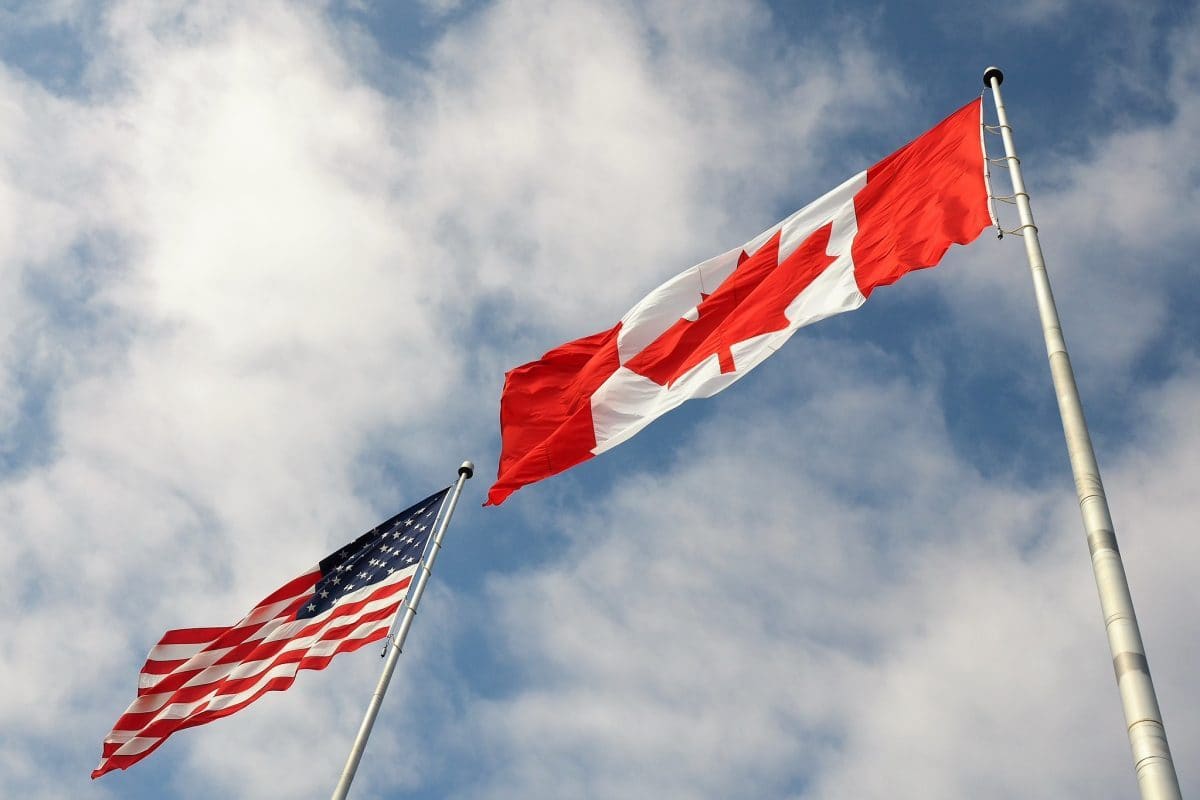
Canada and the United States share the world's longest undefended border and one of the deepest trade relationships. Tourism flows in both directions, though the U.S. benefits disproportionately from Canadian visitors, who outnumber American travelers heading north. Any sustained deterioration in the bilateral relationship carries economic consequences that extend far beyond tariffs on steel or softwood lumber.
The current escalation comes at a moment when the U.S. travel industry is still rebuilding international arrivals. European and Asian markets remain below pre-pandemic levels in many segments, making the Canadian market even more critical. Losing traction with the nearest and most accessible international source would complicate recovery efforts across multiple sectors.
What Happens Next
Trade disputes are notoriously difficult to predict. They can resolve quickly or drag on for years, depending on political will and economic pressure. For now, the travel industry is watching and hoping that rhetoric does not harden into policy that further discourages movement between the two countries.
In the meantime, destinations and operators that depend on Canadian visitors are recalibrating expectations. Marketing budgets are being reassessed, promotional campaigns adjusted, and contingency plans dusted off. The four-month growth streak was welcome news, but it also underscored just how fragile cross-border travel can be when the political climate shifts.
The question now is whether the recent gains represent the beginning of a sustained recovery or simply a brief window before external forces reassert themselves. For businesses on both sides of the border, the answer will shape planning decisions for the months ahead.