The Monopoly Ends
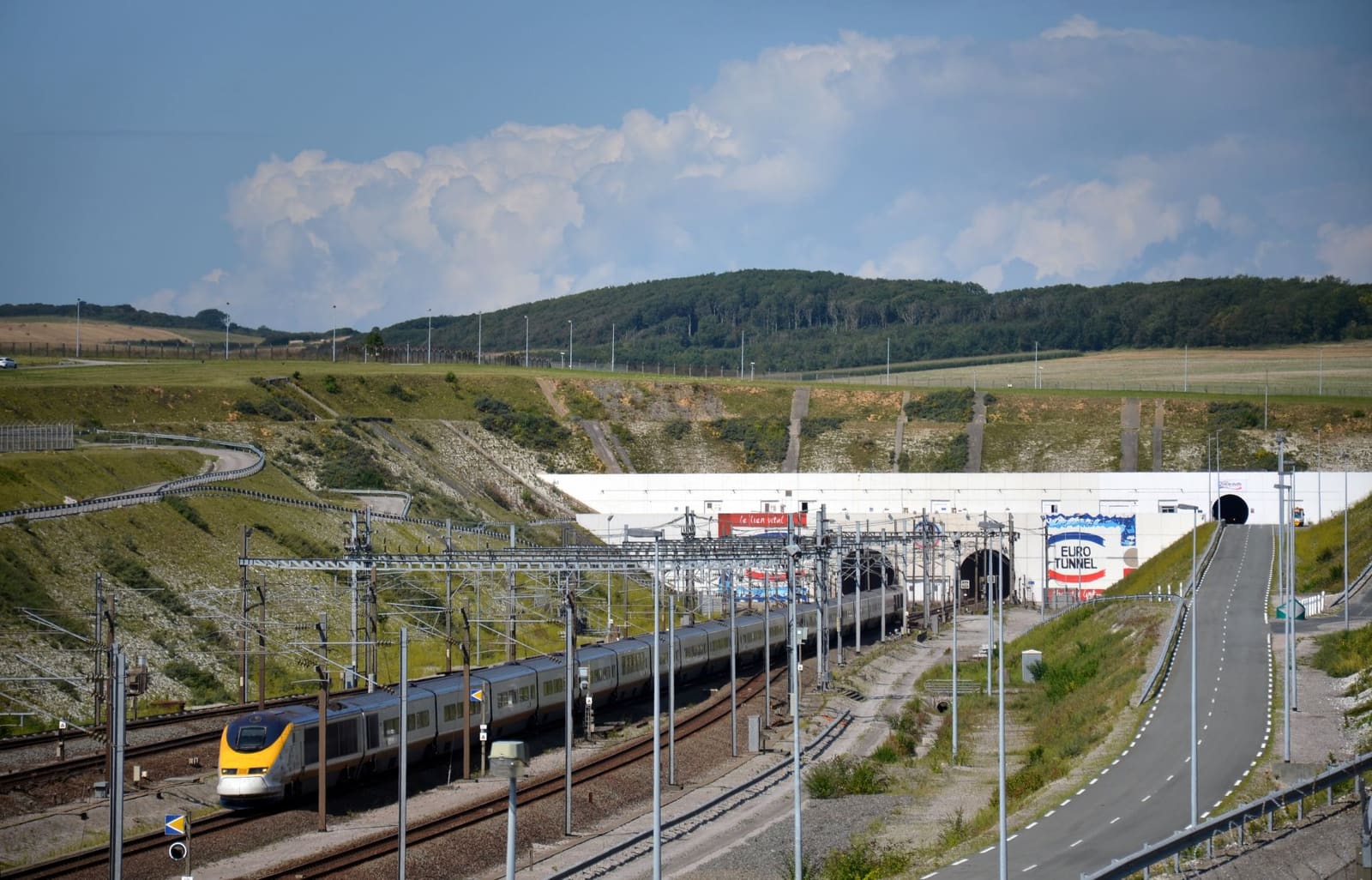
For more than thirty years, Eurostar has operated Channel Tunnel passenger services without meaningful competition. That era is closing. Virgin has secured approval from the UK's Office of Rail and Road to run up to 20 return services daily between London St Pancras and Paris, Brussels, or Amsterdam starting in 2030, according to the regulator. Italian state operator Trenitalia is planning 10 return services with an even earlier 2029 launch target. A third contender, Gemini Trains, which has partnered with Uber, aims for 11 daily services by 2030.
If all three enter the market as planned, the tunnel could see more than 50 new trains per day, not counting Eurostar's own expansion plans. That would represent a fundamental shift in how travellers move between Britain and the continent.
Why New Entrants See an Opening
Eurostar has long faced criticism for running below the tunnel's capacity. The infrastructure can handle far more trains than currently use it, and fares have remained high, particularly for last-minute bookings. New competitors see an opportunity to fill empty slots and undercut prices.
Martin Jones, deputy director for access and international at the Office of Rail and Road, called Virgin's track access approval "an important next step in bringing competition and growth to the market for international rail services." The language is diplomatic, but the implication is clear: the regulator believes the route has been underserved.
Trenitalia has already committed €2 billion to new rolling stock from Hitachi and is building an €80 million depot south of Paris to stable its trains overnight. That infrastructure investment signals serious intent. The Italian operator is avoiding London's overcrowded Temple Mills facility, where securing space has become a bottleneck for new entrants.
Who Gets There First
Trenitalia appears to hold the early advantage. Train industry observer Mark Smith noted that the Italian operator has ordered trains already approved for use in France, part of an existing production line, which should speed regulatory clearance. Virgin and Gemini, by contrast, will need to navigate separate national authorisations in each country they plan to serve, a process that can stretch for years.
Gemini faces an additional hurdle: it has been refused stabling space in London and will need to build its own depot in Kent. That adds cost and complexity, though the company's partnership with Uber suggests it may be aiming for a different kind of service model, potentially integrating first- and last-mile transport.
What It Means for Travellers
More trains should mean lower fares, especially if operators compete on price. Frequency could increase dramatically. Current service levels average around 15 trains per day; the new entrants alone would add 41, and Eurostar is planning a 30% expansion with a €2 billion train order due for delivery in the early 2030s. The company is also adding destinations, including Frankfurt and Geneva, and launching a direct Antwerp route in December 2026.
Trains running every 15 minutes, as some industry watchers have speculated, would make the tunnel feel less like an international rail link and more like a metro service. That kind of frequency could reshape travel patterns, making spontaneous cross-border trips viable in a way they currently are not.
But there are risks. Regulatory approval is not guaranteed, and each operator must satisfy safety and interoperability standards in multiple countries. Infrastructure constraints, particularly around London terminals and stabling facilities, could slow rollout. And if too many operators enter the market at once, profitability becomes uncertain, which could lead to service cuts or consolidation down the line.
The Bigger Picture
The Channel Tunnel opened in 1994 with high expectations for seamless European integration. In practice, it has been less transformative than hoped, partly because of limited service and high costs. The arrival of real competition could finally unlock the tunnel's potential, making rail a genuine alternative to short-haul flights between London and European cities.
Whether all these plans materialise remains to be seen. But the regulatory groundwork is in place, the capital is being deployed, and the appetite for alternatives to Eurostar is evident. The next few years will show whether the tunnel becomes the high-frequency, low-cost link it was always meant to be.