A Different Side of Coastal Vietnam
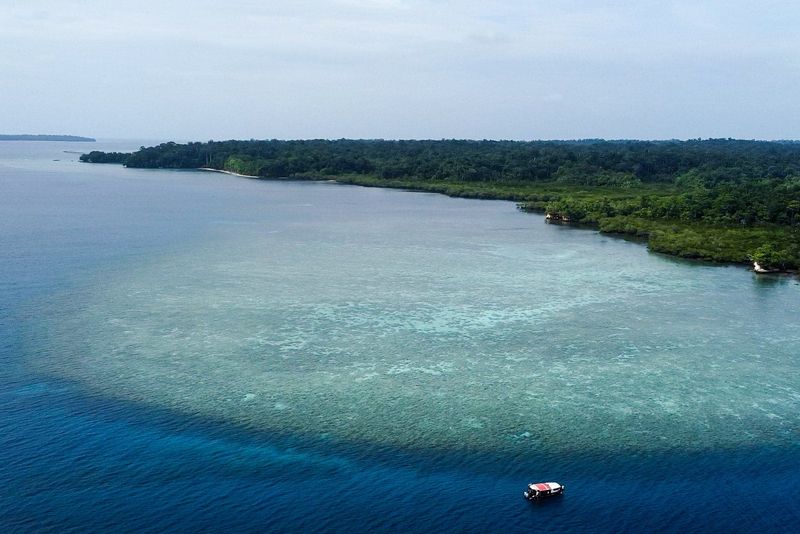
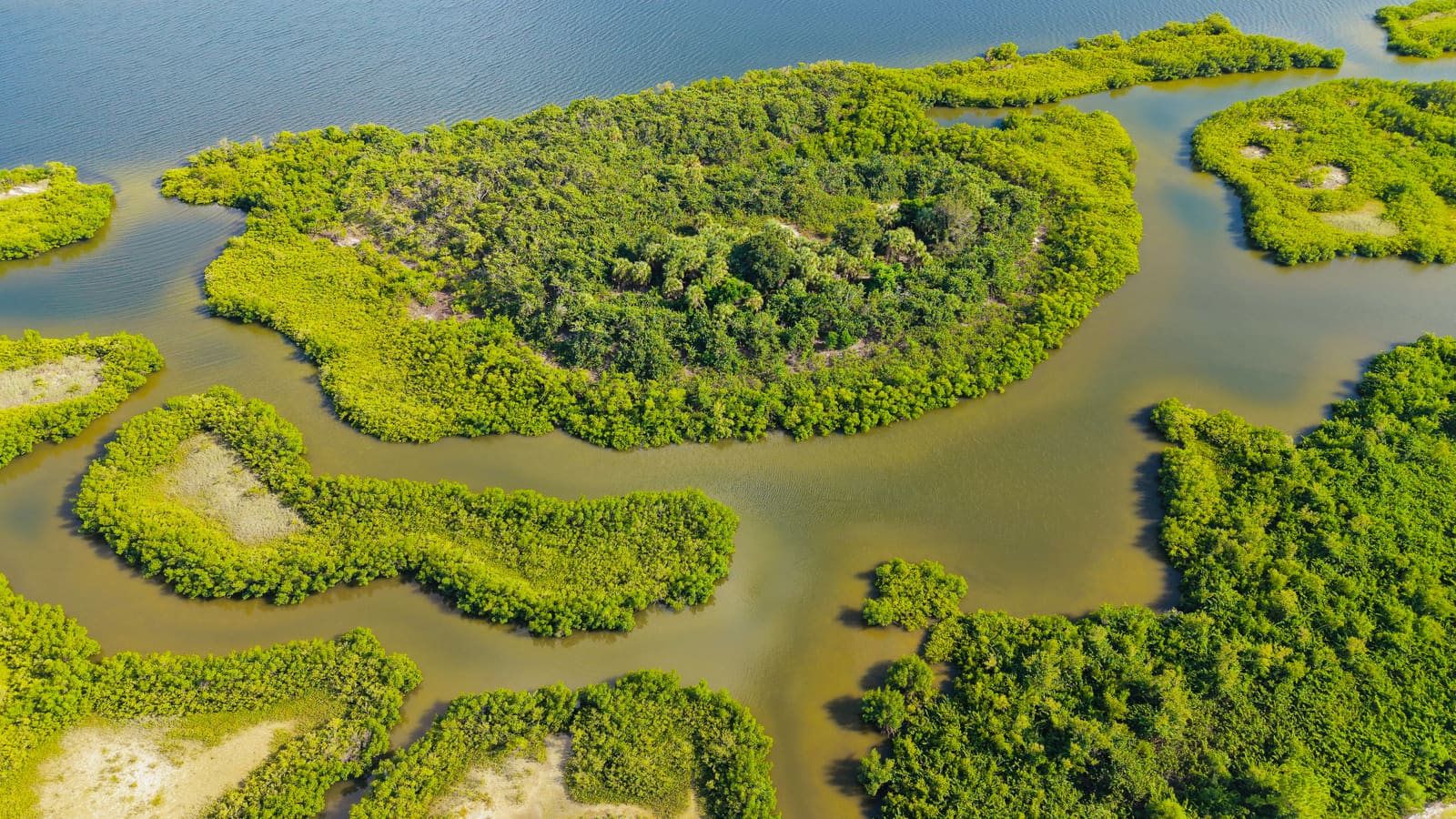
Most visitors to Vietnam's central coast head straight for the beach towns. They miss, almost entirely, the wetlands that stretch inland from the shoreline. Con Chim Islet sits in the middle of Thi Nai Lagoon, a broad body of brackish water in Tuy Phuoc Dong, Binh Dinh province. The islet is covered in mangroves, and those mangroves are home to a protected community of water birds that includes herons, egrets, and other species adapted to tidal habitats.
The lagoon itself is a working landscape. Fishermen still cast nets by hand, using methods passed down over generations. The mangrove channels are narrow, shaded, and quiet. Visitors who want to explore them typically hire a small boat or bring a stand-up paddleboard. The water is shallow enough for paddling, and the canopy overhead filters the light into shades of green.
The Evening Return
The most dramatic time to visit is late afternoon. As the sun drops, flocks of birds begin to gather above the islet. They arrive in waves, circling once or twice before descending into the trees. At peak season, the number can reach several thousand. The sound is constant, a layered chorus of calls that rises and falls as the birds settle in for the night.
This daily return is one of the main reasons Con Chim has been designated a protected area. The mangroves provide nesting sites and shelter from predators. The lagoon's mix of fresh and salt water supports a food web that includes fish, crustaceans, and insects, all of which the birds depend on.
The species list includes several that are uncommon elsewhere in the region. Conservationists have documented breeding populations of Chinese pond herons and little egrets, along with occasional sightings of rarer waders during migration periods. The mangroves themselves, dominated by species like Rhizophora and Avicennia, are part of a coastal ecosystem that has been heavily reduced across Southeast Asia due to aquaculture expansion and coastal development.
Visiting Without Disrupting
Access to Con Chim is controlled but not difficult. Local operators in Quy Nhon, the nearest city, arrange half-day trips that include boat transport and a guide. The guides are usually fishermen who know the channels and can identify the common species by sight and sound. Some visitors prefer to paddle themselves, renting boards or kayaks from guesthouses along the lagoon edge.
The best months are typically from March to September, when water levels are stable and bird activity is highest. During the rainy season, from October to January, parts of the lagoon flood and access becomes more complicated. The heat in the middle of the day can be intense, so most trips start in the late afternoon and finish around sunset.
There are no facilities on the islet itself. Visitors bring water and sun protection. The mangroves are dense enough that landing on the islet is neither easy nor encouraged; the point is to observe from the water, minimising disturbance to nesting birds.
Why It Matters Beyond the Birds
Con Chim is a small example of a larger trend. Across Vietnam, coastal wetlands are under pressure from tourism development, shrimp farming, and industrial projects. Mangrove cover has declined sharply over the past three decades, and with it, the ecosystem services those forests provide: storm protection, water filtration, and nursery habitat for fish.
The decision to protect Con Chim reflects a shift in priorities, at least locally. Binh Dinh province has not become a major beach destination in the way that neighbouring areas have, and that relative lack of development has left space for conservation. The lagoon still functions as a working fishery, but the core mangrove area is now off-limits to net-setting and logging.
Whether that balance can hold depends on economic pressures. If tourism to the region grows, the lagoon could face new demands. For now, visitor numbers remain low, and the birds still return each evening in their thousands.
Getting There and What to Expect
Quy Nhon is the main access point. The city has an airport with connections to Hanoi and Ho Chi Minh City, and it sits roughly 15 kilometres from the lagoon's edge. Most visitors arrange transport through a guesthouse or local tour operator. The boat ride out to Con Chim takes around 30 minutes, depending on tide and starting point.
The experience is not polished. Boats are basic, guides speak limited English, and the infrastructure is minimal. That is part of the appeal for travellers looking for something outside the standard circuit. The lagoon is quiet, the mangroves are intact, and the bird spectacle at dusk is reliable.
Con Chim will not suit everyone. There are no luxury lodges, no curated trails, no visitor centre with interpretive displays. But for birdwatchers, paddlers, and anyone interested in coastal ecology, it offers a chance to see a functioning wetland that has not yet been reshaped by mass tourism.