A Unanimous Vote Against Expansion
On August 11, Cotswold District Council rejected an application from Bibury Trout Farm to convert ground-floor barn storage into a cafe and retail space. Every councillor voted no. The proposal also included changes to a patio at Shoecroft Barn, a grade II-listed stone structure on the northern edge of the village's conservation area.
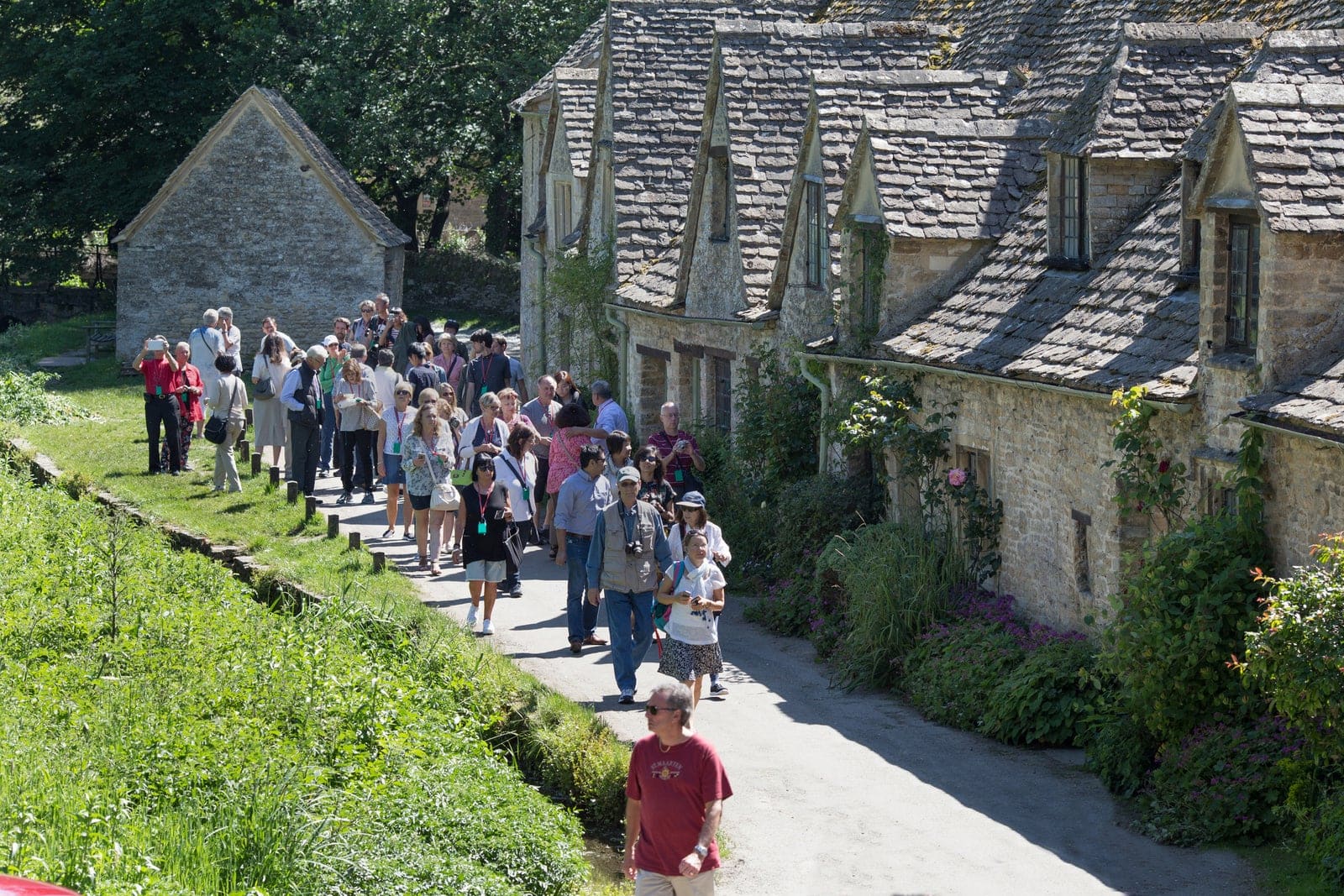
More than 100 residents had filed objections. Bibury Parish Council, which opposed the plan outright, flagged both traffic safety and the cumulative effect of visitor volume on a settlement that sees coaches arrive daily. The trout farm, which calls itself England's oldest working operation of its kind, already draws people to fish, hire barbecues, and play crazy golf on its grounds.
The Safety Case
Cotswold Council's refusal centered on access. According to the council, the application failed to show that the site could accommodate all users safely. Visitors would need to walk along Ablington Lane, a narrow rural road with no sidewalks, where pedestrians and vehicles share the same surface during busy periods. The council said the developer had not provided enough evidence that pedestrian movement had been properly assessed or that any resulting hazards could be mitigated to an acceptable standard.
The lane's constraints are not theoretical. During peak times, the road sees substantial foot traffic alongside cars and coaches, creating friction that local officials say has not been adequately addressed in the planning documents.
A Village Under Pressure
Bibury has been managing visitor pressure for years. The hamlet, which Forbes once ranked among the world's most beautiful villages, can attract up to 20,000 tourists on a single weekend. In May 2025, Gloucestershire County Council introduced a temporary traffic trial with designated coach drop-off zones and penalties for non-compliant vehicles. The stated goal was to prevent accidents and keep the village safe and welcoming.
A year earlier, the parish council had asked tourists to arrive in smaller vehicles, a request that underscored the mismatch between the village's 17th-century road network and the scale of modern coach tourism.
Why the Trout Farm Matters
The trout farm sits at the center of this tension. It is both a heritage asset and a visitor magnet. Its grounds are picturesque, and the activities it offers are family-friendly. But its location on the edge of the conservation area means any expansion ripples outward into the village's narrow lanes and limited parking.
The parish council argued that overtourism at the farm is already having a negative impact on the local environment. Adding a cafe and retail space, they said, would likely increase footfall without solving the underlying access problems that make the site difficult to reach safely on foot.
What Happens Next
The rejection does not close the door permanently. The trout farm could revise its application and resubmit, potentially with stronger pedestrian safety measures or transport plans. But the unanimous vote and the volume of resident objections suggest that any future proposal will face scrutiny.
For now, Bibury remains caught between its appeal and its capacity. The village's beauty is its currency, but that same beauty draws numbers that test the limits of its infrastructure. The council's decision reflects a broader question facing heritage destinations: how to remain open without being overwhelmed, and how to grow without losing what makes a place worth visiting in the first place.