Cruise Ports Take the Lead
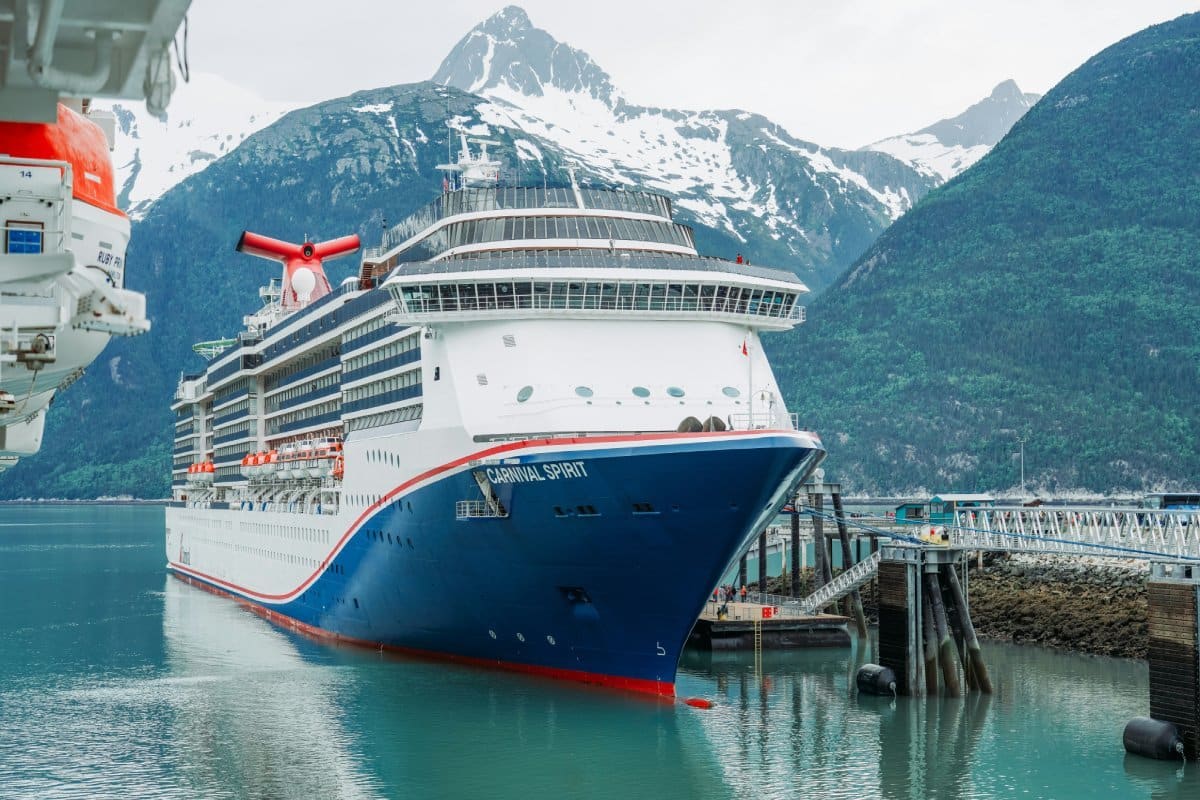
Cities tied to cruise departures are drawing heavy traffic this Labor Day weekend. Seattle, Anchorage, and Vancouver are among the most popular destinations, according to AAA, reflecting strong interest in cruise getaways as the summer travel season winds down. Las Vegas and Denver, both gateways to national parks, also rank high on the list.
The pattern signals a preference for both road-accessible destinations and embarkation points for cruises. Even as fuel prices have climbed roughly 30 percent compared to last year, Americans are still committing to end-of-season trips.
Travel Intent Holds Steady
Data from Bank of America shows 77 percent of Americans planned to travel this summer, up from 74 percent the previous year. The increase suggests that despite cost pressures, households are prioritizing travel spending.
High-income households have been the primary drivers of growth in travel expenditure. They have been more insulated from inflation and able to absorb higher costs for flights, lodging, and fuel. This dynamic has shaped a two-tier travel landscape over the past year, with wealthier travelers maintaining or expanding their plans while lower-income groups pulled back.
The Gap Begins to Close
Recent findings from Bank of America indicate the spending divide between income groups has started to narrow since May. Lower-income households are beginning to increase their travel outlays, a shift that could signal broader resilience in consumer behavior.
The reasons behind this shift are not entirely clear, but several factors may be at play. Wages have risen in some sectors, and households may have adjusted budgets to prioritize experiences after months of restraint. Credit card data also suggests that travel remains a spending category people are reluctant to cut, even when other discretionary purchases decline.
Still, the sustainability of this trend remains uncertain. If fuel prices continue to rise or if economic headwinds intensify, lower-income households could again scale back. The narrowing gap offers a more balanced picture of the travel market, but it is fragile.
What It Means for the Industry
The persistence of travel demand, even in the face of higher costs, reinforces the sector's resilience. Airlines, hotels, and cruise operators have all benefited from strong booking volumes this summer, and Labor Day weekend appears to be no exception.
Cruise lines in particular are seeing robust passenger counts, with global volumes reaching record levels. Alaska, however, has been an outlier, with passenger numbers holding flat despite the broader surge. Regulatory constraints and capacity limits in certain ports may be contributing factors.
For destinations, the focus on cruise gateways and national park access points underscores the importance of infrastructure and connectivity. Cities that serve as embarkation hubs or offer easy access to outdoor recreation are positioned to capture demand during peak travel periods.
The narrowing spending gap, if it continues, could also broaden the customer base for mid-tier travel products. Budget airlines, drive-to resorts, and regional attractions may find renewed interest from households that had been sitting on the sidelines.
Labor Day traditionally marks the end of peak summer travel, but this year's data suggests momentum is carrying through. Whether that holds into fall and winter will depend on how costs evolve and how households continue to prioritize travel in their budgets.