When a Road Trip Becomes Too Popular
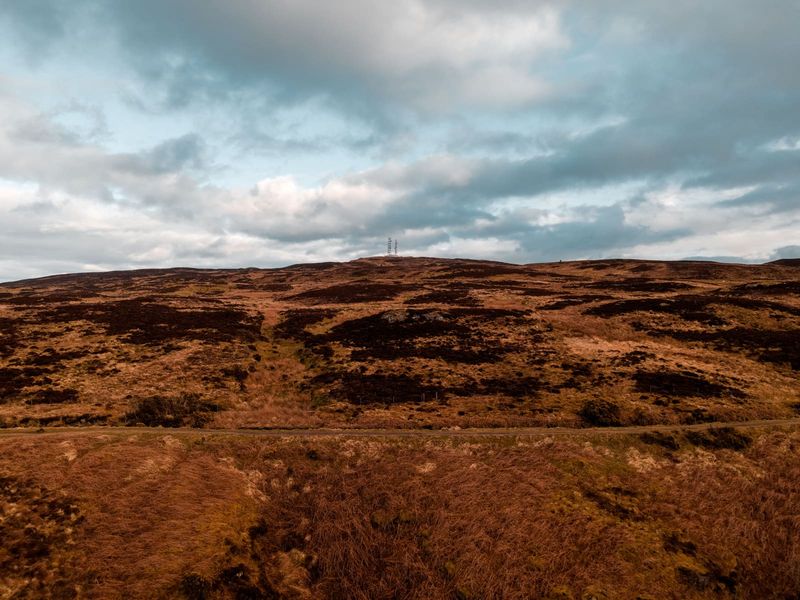
Scotland's North Coast 500 has become shorthand for what happens when a driving route goes viral. Launched in 2015 as a 516-mile loop around the Highlands, the NC500 quickly earned the nickname "Instagram Highway" as visitor numbers surged. What started as an economic lifeline for remote communities turned into something else: clogged single-track roads, overflowing parking areas, and friction between tourists and residents trying to go about daily life.
The problems were predictable but arrived faster than anyone planned for. Infrastructure built for sparse traffic suddenly had to handle campervans queuing at passing places. Small villages without public toilets became impromptu rest stops. By 2019, local councils were fielding complaints about roadside camping, litter, and bottlenecks that made school runs an ordeal.
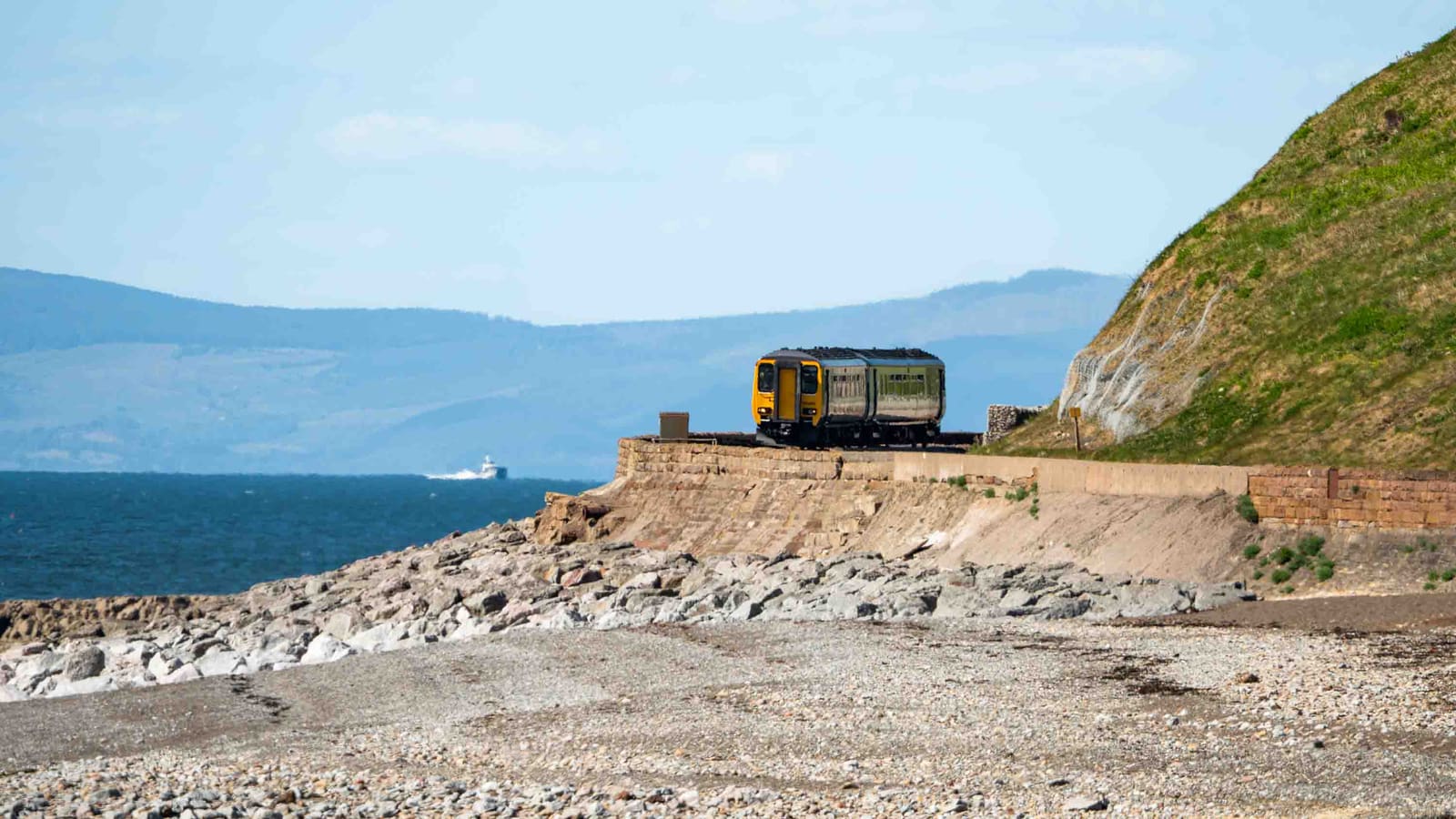
Now England is trying its hand at a similar project, but with a different starting philosophy. The Cumbrian Coastal Route traces roughly 150 miles of northwest England's shoreline, from the Scottish border down to the edge of Morecambe Bay. Unlike the NC500, which was marketed heavily from the outset, this route is being developed with what planners call a "regenerative" model: slower promotion, deeper engagement with communities, and infrastructure investment that precedes the crowds rather than chasing them.
A Route Shaped by Residents
The Cumbrian coast has long sat in the shadow of the Lake District, the national park that draws millions annually to its central fells and lakes. Towns like Whitehaven, Maryport, and Millom have watched tourists speed past on their way to Windermere or Keswick. The coastal route aims to redirect some of that attention, but not at any cost.
Local councils and tourism bodies spent two years consulting with residents before formally launching the route concept. The questions were straightforward: What do you want visitors to see? What do you need protected? Where are the pinch points? The answers shaped everything from which viewpoints get highlighted to which narrow lanes stay off the official map.
One outcome is a route that steers drivers toward towns with existing capacity, bypassing hamlets that lack parking or services. Another is a focus on off-season travel, with marketing materials emphasizing spring and autumn over the packed summer months. There are also partnerships with local businesses to ensure that visitor spending flows into the communities absorbing the impact.
What the NC500 Got Right and Wrong
It would be unfair to paint the NC500 as a failure. It delivered on its core promise: bringing visitors and revenue to one of Europe's most sparsely populated regions. Between 2015 and 2019, the route was estimated to have generated hundreds of millions of pounds for the Highland economy, supporting jobs in hospitality, retail, and services.
But the speed of its success outpaced the infrastructure. Public funding for road improvements, toilet facilities, and waste management lagged years behind the marketing push. By the time problems became acute, the route's reputation was already set. Visitors arrived expecting pristine wilderness and easy driving; locals found themselves managing the overflow.
The lesson for Cumbria is that timing matters. Building capacity before building hype gives communities a chance to adapt. It also shifts the calculus for travelers: if the infrastructure is already in place, the experience improves for everyone.
Can Regenerative Tourism Scale?
Regenerative tourism is more than a buzzword. The idea is to design travel experiences that leave a place better than they found it, rather than simply minimizing harm. For a driving route, that might mean investing in electric vehicle charging stations, restoring coastal habitats, or funding community projects with a portion of tourism revenue.
The Cumbrian Coastal Route incorporates several of these elements. There are plans for heritage trail markers that tell the region's industrial and maritime history, creating cultural value alongside scenic appeal. Local food producers are being woven into the itinerary, so visitors spend on Cumbrian cheese, seafood, and ale rather than chain restaurants. And there is a deliberate effort to promote lesser-known attractions, distributing footfall more evenly.
Whether this model can scale is an open question. Regenerative approaches require patience and upfront investment, both of which are hard to sustain when tourism boards are under pressure to deliver quick wins. They also depend on visitors playing along, choosing slower travel and supporting local businesses rather than racing through for the photo ops.
The Broader Context
The tension between tourism promotion and community well-being is playing out across the UK and beyond. From the Cotswolds to the Scottish islands, popular destinations are grappling with how to balance economic opportunity and livability. Some places have introduced visitor caps or parking charges; others are experimenting with timed entry or seasonal closures.
What makes the Cumbrian approach notable is its attempt to bake sustainability into the route's DNA from the start, rather than retrofitting solutions after the damage is done. It acknowledges that locals have to live with the outcomes long after the marketing campaign ends.
There is also a practical advantage: the Cumbrian coast is not as remote or fragile as the Scottish Highlands. Towns have more existing infrastructure, and the region is better connected to England's motorway network. That reduces some of the pressure points the NC500 faced.
What Happens Next
The Cumbrian Coastal Route is still in its early stages, with full promotion expected to ramp up over the next few years. Early feedback from trial phases has been cautiously positive, with visitors praising the variety of landscapes, from rugged cliffs to sandy estuaries, and the absence of crowds.
For now, the route remains relatively unknown outside northwest England. That obscurity is intentional. The hope is that by the time it reaches wider awareness, the infrastructure and community buy-in will be strong enough to handle the influx without repeating the NC500's growing pains.
Whether it works will depend on factors both within and beyond local control: funding commitments, visitor behavior, and the broader appetite for slower, more considerate travel. But as a case study in trying to do tourism development differently, it is worth watching. If the Cumbrian coast can pull it off, it might offer a template for other regions wrestling with the same dilemma: how to welcome visitors without losing what made the place worth visiting in the first place.