Breathing Through the Season
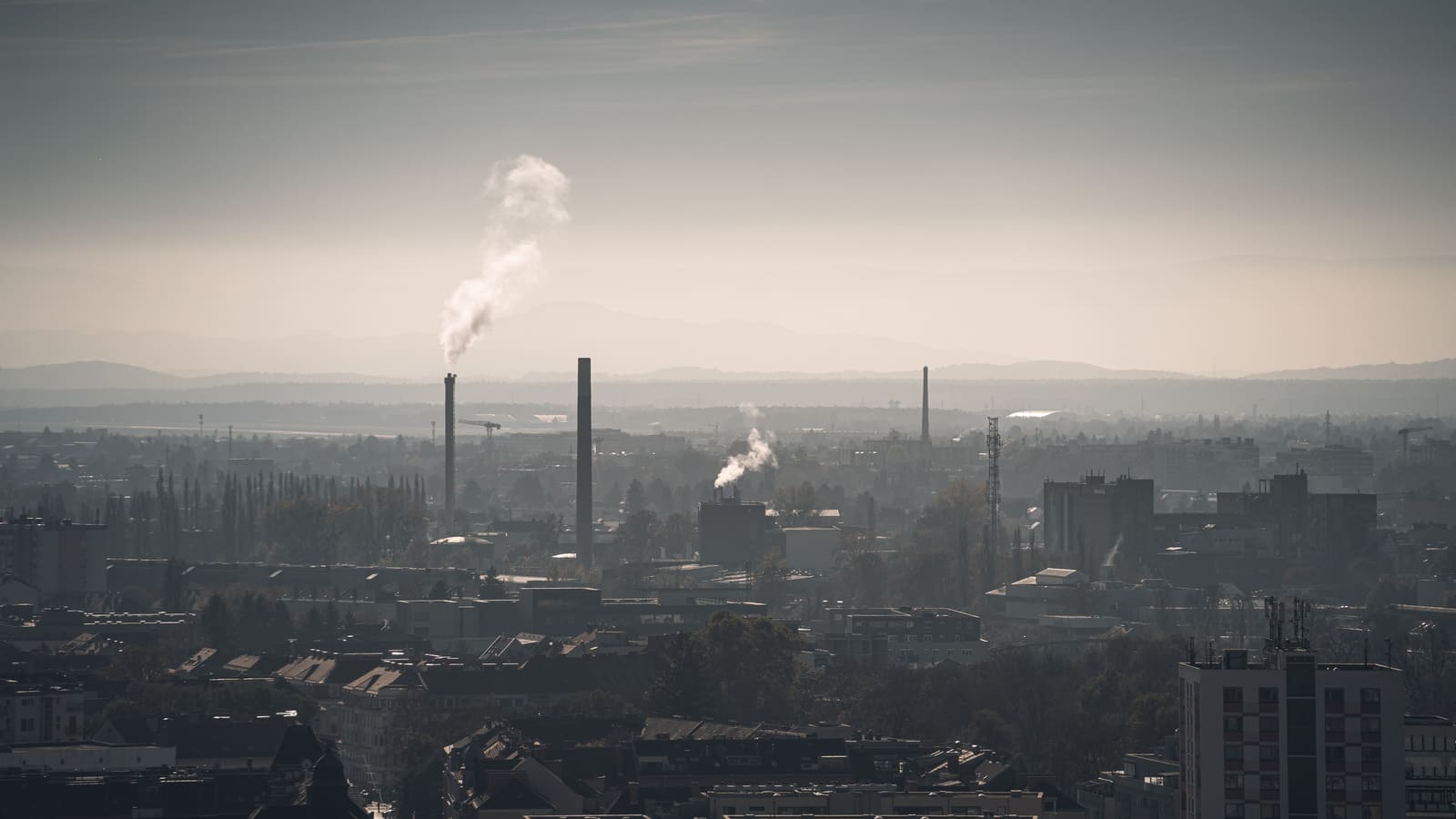
Every winter, Delhi disappears under a thick blanket of smog. The city sits on the Indo-Gangetic Plain, where the Himalayas form a natural barrier that prevents polluted air from escaping northward. From late October through February, emissions accumulate in the basin with nowhere to go.
This year followed the pattern. On the morning of 7 November, Delhi's Air Quality Index reached 581, according to data from IQAir, a Swiss air-monitoring company. The U.S. AQI scale starts at zero; anything above 301 is classified as hazardous. At that moment, Delhi ranked as the most polluted major city globally. By the following days, the reading had dropped to 176, still placing it second behind Lahore.
The timing could hardly be worse for the travel industry. October to March represents India's peak season for international visitors, and Delhi serves as the primary gateway. Travellers arrive expecting cooler weather and festival celebrations, only to find themselves navigating air that stings the eyes and burns the throat.
Diwali and the Firecracker Factor
Air quality deteriorates further during Diwali, the Hindu festival of lights celebrated in late October or early November. Firecrackers remain a traditional part of the festivities, despite growing calls for bans or restrictions. The explosions release particulate matter that compounds existing pollution from vehicles, construction dust, and agricultural burning in neighbouring states.
The festival's cultural significance makes enforcement difficult. Authorities in Delhi and surrounding areas have imposed firecracker bans in recent years, but compliance remains patchy. The result is a spike in pollution that lingers for days, sometimes weeks, after the celebrations end.
For visitors unfamiliar with the scale of the problem, the experience can be jarring. What begins as excitement about witnessing a major cultural event turns into hours spent indoors, air purifiers running, scarves wrapped over faces.
The Mask Economy
Masks have become standard travel kit for anyone visiting northern India in winter. Hotels stock them at reception desks. Tour operators mention air quality in booking confirmations. Travel forums buzz with advice on which filtration standards work best.
It is a workaround, not a solution. Masks reduce exposure but do nothing to address the emissions that create the problem in the first place. The pollution stems from multiple sources: vehicle exhaust, industrial emissions, construction activity, waste burning, and seasonal crop-residue fires in Punjab and Haryana. Tackling it requires coordinated action across state lines and economic sectors, progress that has been slow.
Meanwhile, the tourism sector adapts. Some operators shift itineraries to favour southern or coastal destinations during the worst months. Others build indoor activities into Delhi schedules, banking on the city's museums and markets to compensate for limited time outdoors. A few agencies have started offering "air-quality guarantees", promising itinerary changes if pollution exceeds certain thresholds.
What It Means for Travel Plans
The pollution season is now predictable enough that travellers can factor it into their decisions. Those with respiratory conditions or young children often avoid northern India from November to January altogether. Others accept the trade-off, reasoning that the cooler temperatures and festival atmosphere outweigh the air-quality concerns.
The Indian government has launched several initiatives, including stricter vehicle-emission standards and restrictions on construction during peak pollution months. Satellite monitoring tracks crop fires in real time, and fines have been imposed on farmers who burn stubble. Yet the problem persists, year after year, with only marginal improvements.
For now, winter in Delhi means carrying a mask alongside a camera. The city's monuments and street life remain compelling draws, but the air itself has become part of the travel calculation, as much as visa requirements or currency exchange rates.