The Pastry That Broke the Mountain
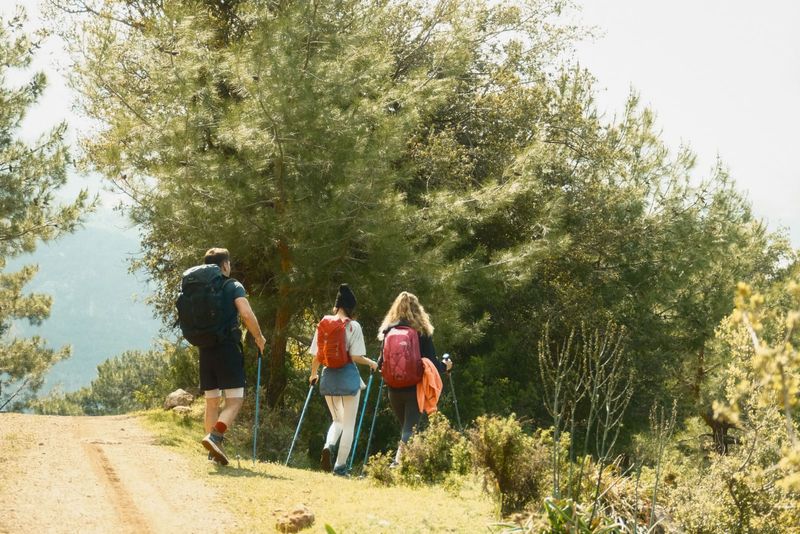
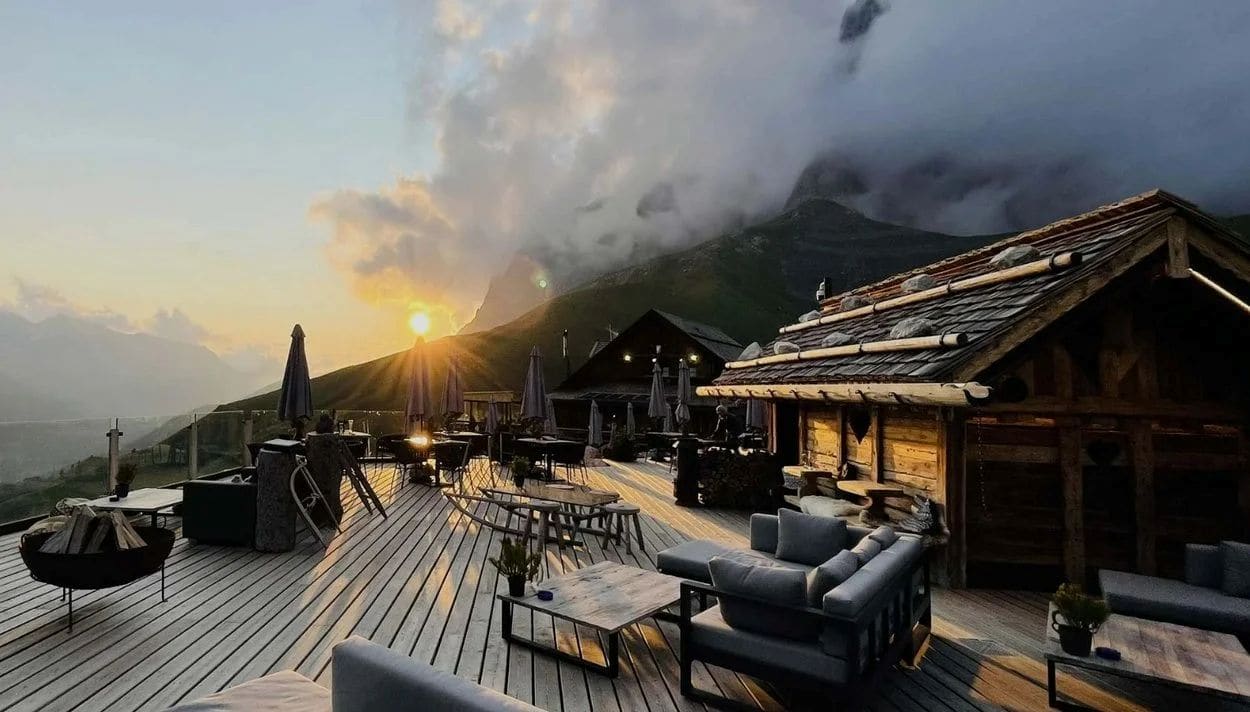
For more than thirty years, Friedrich August refuge has sat quietly at 2,300 metres in the Italian Dolomites, serving krapfen to hikers who made the trek. The German-style doughnut, plump with cream and dusted with sugar, was a reward after the climb, not the reason for it. That balance has collapsed. Now hundreds of people hike up daily, some camping overnight at the trailhead, queuing down the slope for a pastry that costs around €3 to €4. Workers at the refuge have called the situation chaotic. They don't like it.
The shift happened online. Food bloggers and influencers posted videos of themselves biting into krapfen against the serrated peaks, and the algorithm did the rest. One TikTok user filmed herself eating breakfast at sunrise, urging followers to tag someone who'd wake up early for this. Another documented queues by 8:30 in the morning and noted she'd paid €50 to sleep overnight in a campervan at the carpark. The posts tap neatly into current travel appetites: off-the-path spots, food culture, mountain scenery. But they also compress all of that into a single, replicable image.
What Happens When Mountains Go Viral
Francesco Abbruscato, president of the Veneto branch of the Italian Alpine Club, told local media that platforms like Instagram and TikTok are bringing a different kind of visitor to the Dolomites. The relationship with the landscape has changed. People arrive for a specific shot, not for the experience of being in the mountains. Until five or six years ago, he noted, overtourism in precise spots at precise times wasn't a feature of the region. Now there are places where appreciating the beauty means standing among dozens of people taking selfies.
The Dolomites are a UNESCO World Heritage site, recognized for their vertical walls, sheer cliffs, and dramatic valleys. They also attract at least 10 million visitors a year. The United Nations has flagged tourism and large events, including the 2026 Winter Olympics, as high threats to certain areas. The volume of people, it says, negatively affects both the alpine environment and the quality of life for residents.
The krapfen phenomenon is a microcosm. Despite the surge in paying customers, the refuge team has made clear they're unhappy with the chaos. Marco Bussone, president of the national union of mountain communities, put it bluntly: the mountains are not a playground.
The Broader Pattern
Friedrich August is not alone. Vlkolínec, a hamlet of 43 traditional dwellings in the Carpathian mountains of Slovakia, is outnumbered by visitors at a ratio of 7,000 to one. Some residents have asked UNESCO to delist the village, hoping removal from the World Heritage roster will ease the pressure. Elsewhere in the Dolomites, farmers have installed paid turnstiles on walking trails, describing the move as a cry for help directed at authorities to manage the flow.
The common thread is visibility. A place becomes famous not because it sought attention, but because it photographed well and the platforms amplified it. The infrastructure, the culture, the capacity to absorb crowds, none of that scales at the speed of a trending post. What's left is a mismatch between the place as it exists and the place as it circulates online.
What Travelers Can Do
There's no simple fix when a destination goes viral. Limiting access can feel exclusionary; doing nothing risks damage. For travelers, the question is whether the trip serves the place or just the feed. Arriving at dawn to beat the crowd is still arriving. Paying €50 to camp overnight at a trailhead is still adding pressure to a carpark that wasn't designed for it.
The Dolomites will continue to draw people. Krapfen will continue to be made and sold. But the friction at Friedrich August is worth paying attention to, not as a quirk of one refuge, but as a preview of what happens when travel becomes content first and experience second. The mountains, after all, were there long before the selfie stick. Whether they can survive the attention is another matter.