A Sharp Downturn in Quarterly Results
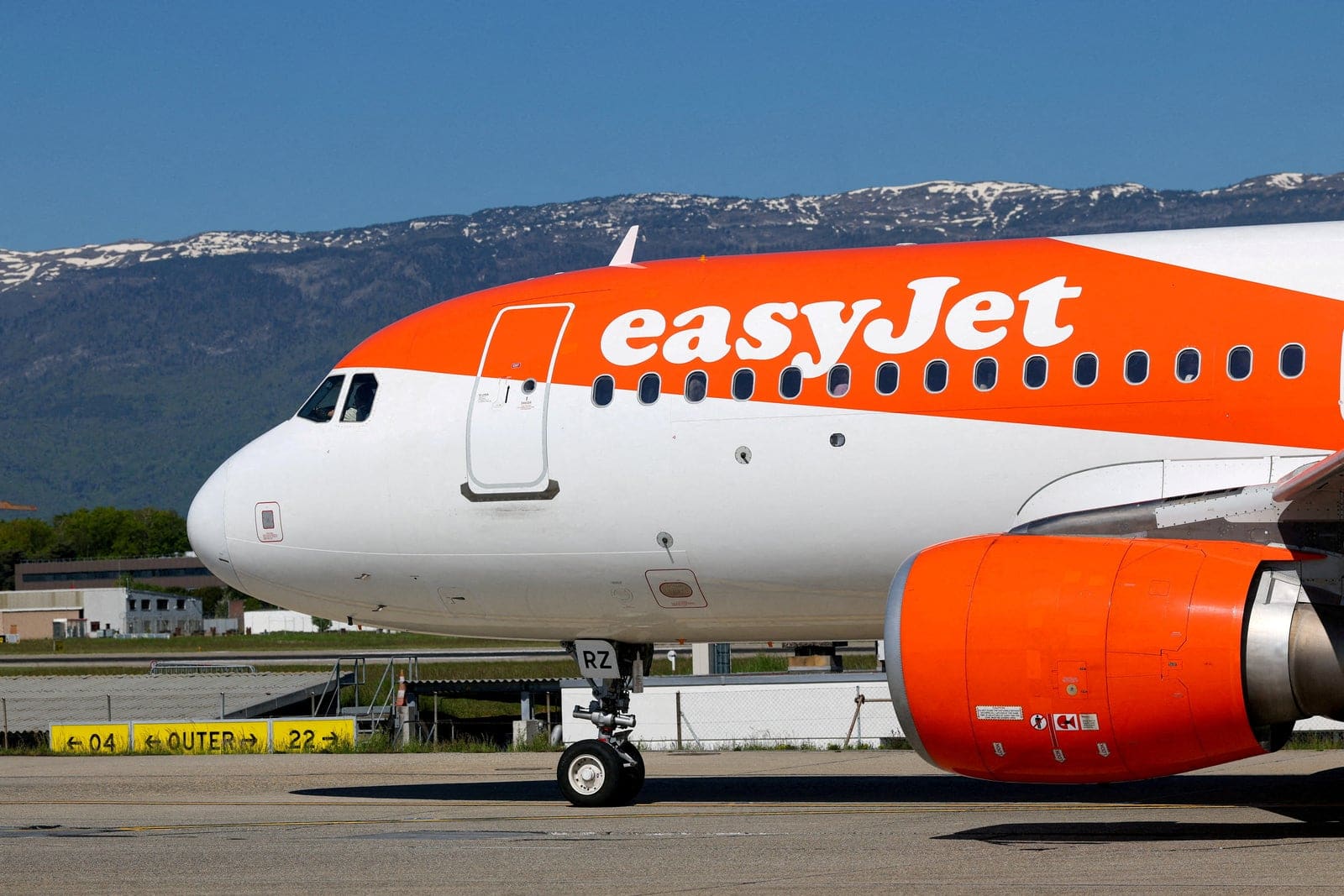
EasyJet reported pre-tax profits of 85 million pounds for the three months ending June 30, a steep decline from 286 million pounds during the same period last year. The British budget carrier attributed the drop to a combination of rising fuel expenses and shifting travel demand patterns linked to ongoing conflict in the Middle East.
According to EasyJet, fuel costs climbed by 105 million pounds during the quarter as energy markets reacted to regional instability. The conflict in the Middle East has created uncertainty around jet fuel supplies, pushing prices higher and squeezing margins for carriers that operate on thin profit structures.
The financial update arrived just two weeks after Apollo, a US private equity firm, reached an agreement in principle to acquire EasyJet for 7.15 pounds per share. The deal values the airline at 5.7 billion pounds and came after Apollo outbid Castlelake, another American investment firm that had proposed a 5.5 billion pound offer days earlier.
Booking Patterns Shift Closer to Departure
Beyond fuel costs, EasyJet faced another challenge during the quarter: travelers increasingly waited until the last minute to book. While strong late bookings helped cushion the impact, they did not fully offset weaker early demand driven by consumer concerns over the regional conflict and fuel availability.
Passenger numbers slipped 0.4 percent to 25.8 million during the quarter. The airline's load factor, a key metric measuring how efficiently it fills seats on flights, also declined compared to the previous year.
CEO Kenton Jarvis acknowledged the difficult operating environment but pointed to encouraging signs in recent weeks. Late bookings for the summer season have remained robust, and customers are beginning to book further in advance again, though the airline noted that some price adjustments have been necessary to stimulate demand.
Summer Season Holds the Key
The outlook for EasyJet's full-year performance hinges on bookings still to come and the trajectory of fuel prices, which the company described as continuing to fluctuate. The summer travel season represents a critical period for European carriers, and EasyJet said it is seeing the gap in load factor narrow for peak months.
Jarvis emphasized that consumer confidence appears to be returning. "As consumer confidence increases, we are seeing the load factor gap close for peak summer and an extension of the booking curve as customers continue to prioritize travel," he said.
The airline's experience reflects broader pressures facing budget carriers in Europe. Low-cost airlines typically operate with narrow profit margins and limited ability to absorb sudden cost increases. When fuel prices spike, the impact shows up quickly on the bottom line, particularly if demand softens at the same time.
What It Means for Budget Travel
EasyJet's results illustrate how external shocks can ripple through the travel industry, affecting not just airlines but the millions of travelers who rely on affordable fares. Budget carriers have expanded travel access across Europe over the past two decades, but their business models remain vulnerable to volatile fuel markets and geopolitical disruptions.
The pending takeover by Apollo adds another layer of uncertainty. Private equity ownership often brings operational changes, and it remains to be seen how new leadership might respond to current market conditions. For now, EasyJet is focused on navigating the remainder of the summer season while managing costs and encouraging travelers to book with confidence.
The airline's ability to maintain competitive pricing while absorbing higher fuel costs will likely determine whether it can stabilize profits in the months ahead. With travelers still prioritizing trips despite economic headwinds, the recovery in late bookings suggests demand for budget air travel remains resilient, even if the timing and pace have shifted.