A Vision Without Resources
The European Commission released its sustainable tourism strategy this week, outlining an ambition to disperse visitors across the continent more evenly in both place and time. The document arrives after months of anticipation and a summer marked by protests against overtourism in cities such as Barcelona and Venice, alongside extreme heat and wildfires that disrupted travel across southern Europe.
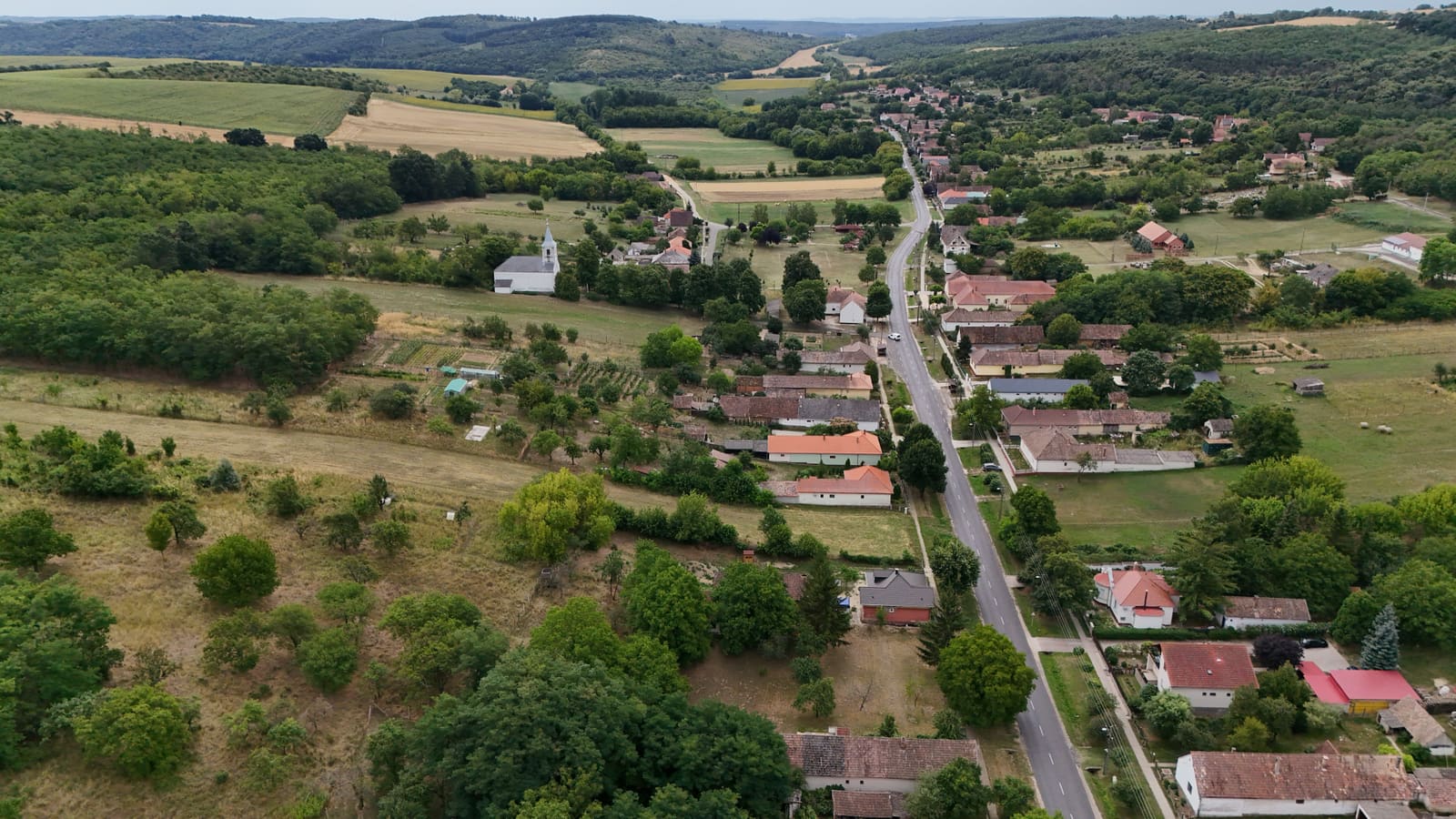
At its core, the strategy encourages tourists to visit less-travelled destinations throughout the year rather than concentrating in popular spots during peak months. The Commission noted that, on average, 42 per cent of overnight stays in European destinations occur during just three months of the year. That concentration creates pressure on infrastructure, raises costs for locals, and leaves many smaller communities struggling to attract visitors during quieter periods.
The problem is real, and widely acknowledged across the industry. What the strategy does not provide, however, is new funding to help destinations manage the shift, nor does it set numerical targets that would allow anyone to measure whether the plan is working.
What the Strategy Proposes
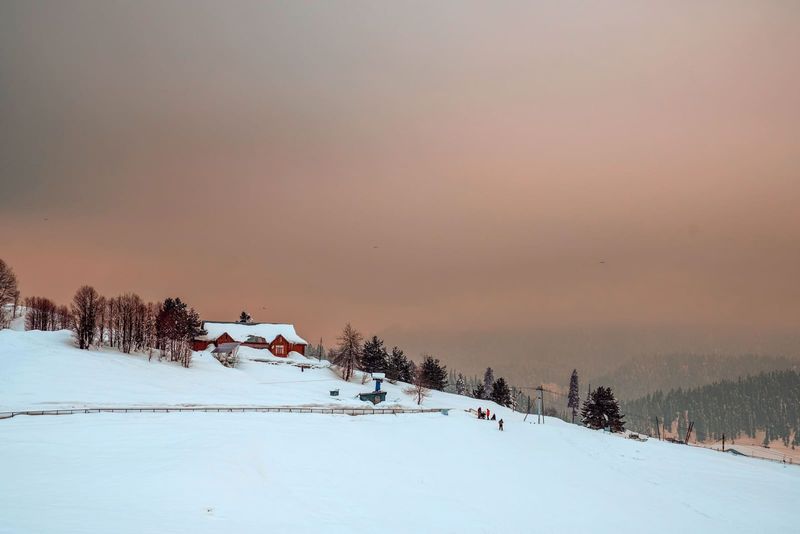
The documents emphasise competitiveness, sustainability, and resilience as guiding principles. They acknowledge that climate change is already reshaping where people choose to travel, with traditionally cooler destinations in the Nordic region seeing increased interest as southern Europe faces hotter, longer summers.
The strategy builds on earlier tourism frameworks released by the Commission, but it remains largely advisory. It does not compel member states to act, nor does it unlock budgets earmarked for tourism development or redistribution. Instead, it functions as a set of recommendations, leaving implementation to national and regional authorities who may or may not have the resources or political will to follow through.
For destinations already grappling with the effects of concentrated tourism, the strategy offers recognition of the challenge but little in the way of practical tools. Cities that have introduced measures such as visitor caps, entry fees, or reservation systems have done so on their own initiative, often facing criticism from industry groups and travellers alike.
The Gap Between Ambition and Action
The absence of funding is a significant constraint. Dispersing tourism requires infrastructure in places that may lack it: transport links, accommodation, marketing budgets, and trained staff. Smaller towns and rural areas often cannot compete with established destinations that have decades of brand recognition and investment behind them.
Without measurable targets, it is also unclear how progress will be assessed. The strategy does not specify how many visitors should be redirected, which destinations should be prioritised, or what success would look like in five or ten years. That makes it difficult for stakeholders to align efforts or hold institutions accountable.
The timing of the release is telling. It follows a summer in which overtourism dominated headlines, with residents in several European cities staging protests and local governments scrambling to manage crowds. The strategy appears to be a response to that pressure, but one that stops short of committing resources or setting enforceable standards.
What It Means for Travellers and Destinations
For travellers, the strategy is unlikely to change much in the near term. The recommendations may eventually influence how destinations market themselves or how tour operators package trips, but without incentives or penalties, shifts will be gradual and uneven.
For destinations, the strategy offers a framework to justify local measures, but little else. Those with the capacity to invest in tourism management will continue to do so; those without will remain at a disadvantage. The strategy does not address the underlying economic imbalances that drive tourism concentration, nor does it provide mechanisms to redistribute the financial benefits of tourism more equitably across regions.
The Commission's approach reflects a broader tension in European tourism policy: the desire to manage tourism sustainably while respecting member states' autonomy and avoiding new spending commitments. The result is a document that articulates widely shared goals but leaves the hard work of implementation to others, with no guarantee that the resources or political consensus will materialise.