Unknown Destinations, Local Curation
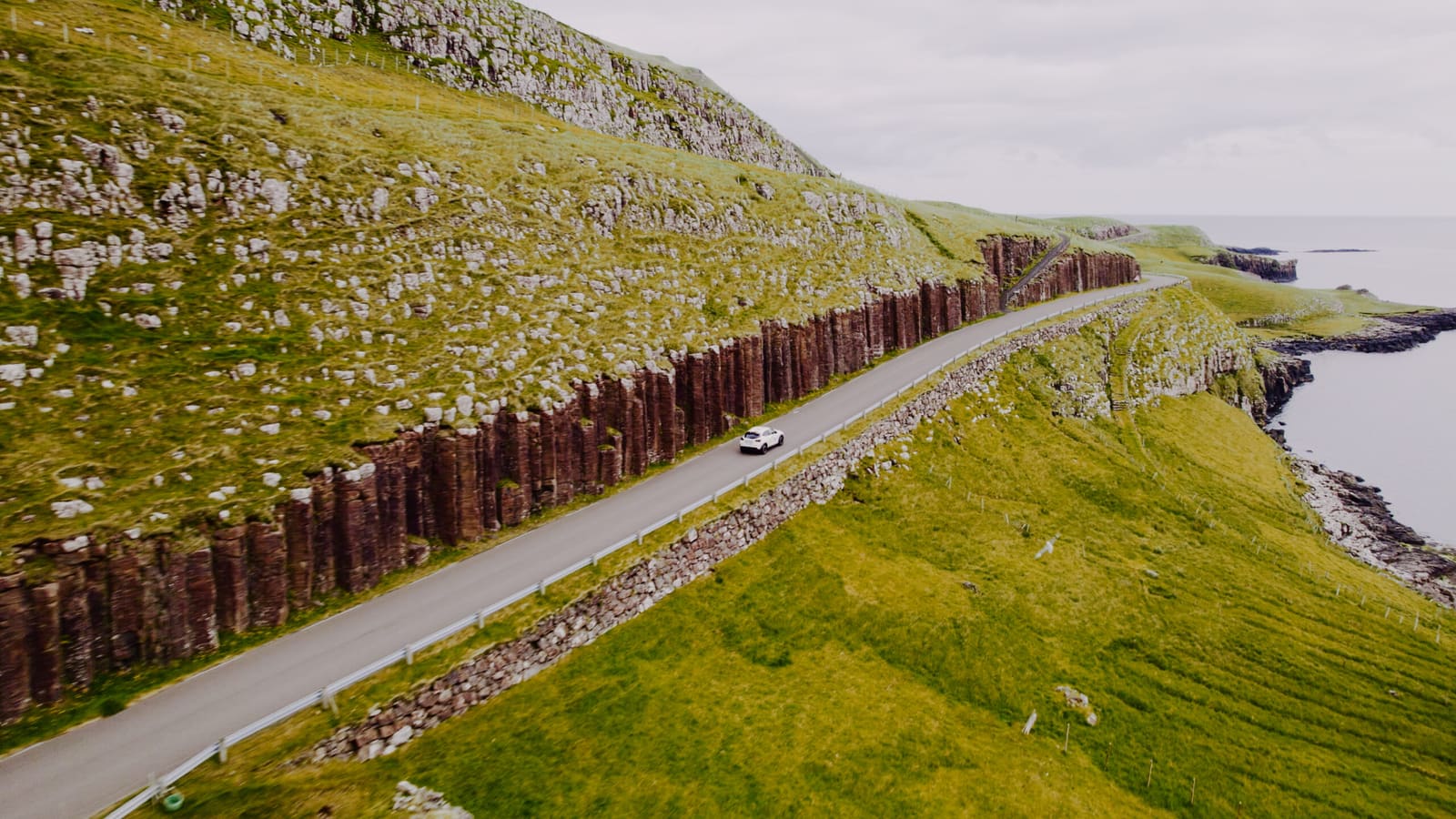
The Faroe Islands have doubled down on an unusual approach to tourism: rental cars with GPS systems that won't tell you where you're going. Visit Faroe Islands is expanding a self-drive program that began last year, now offering 45 pre-programmed routes designed by residents. Travelers see only one destination at a time on the screen. The rest stays hidden until they reach each stop.
The concept is simple. Visitors pick up a car, open the app, and follow directions to locations chosen by people who live there. No advance itinerary. No listicle of must-sees. The next waypoint appears only after you've arrived at the current one. Tours run three to six hours and include up to six landmarks, with 15 new routes added this year to the original 30.
When a test booking was made through the Visit Faroe Islands app, only the first stop appeared: a café in Tvøroyri, a harbor town. Everything after that remained blank until arrival.
What Travelers Might Find
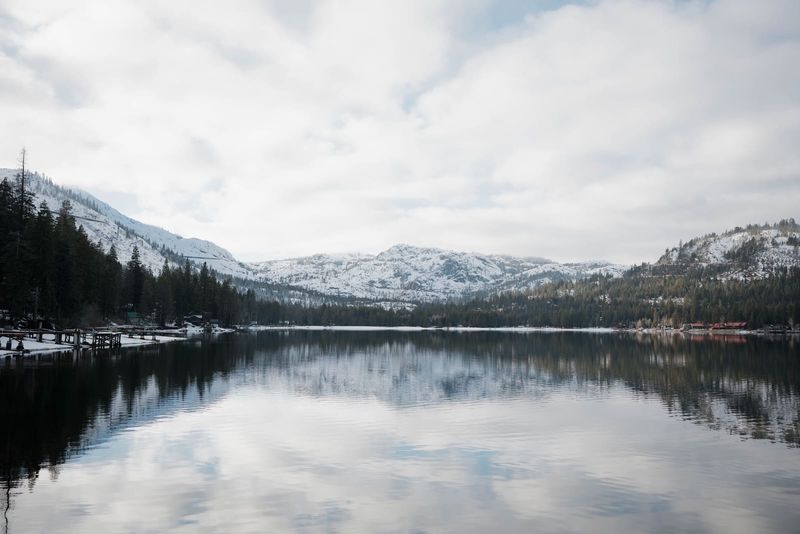
The routes mix well-known sites with places that don't trend on social feeds. One itinerary might lead to Viðareiði Church, perched above sea cliffs. Another could take you to Lake Funningsvatn, quieter than the famous Sorvagsvatn but no less striking. A World War II fortress. A small island like Sandoy, which earlier participants described as overlooked despite what they called hidden appeal.
The program doesn't filter by difficulty or theme. Some routes stay coastal. Others cross causeways and tunnels linking the 18 volcanic islands, which sit between Iceland, Norway, and Scotland's northern isles. Rest stops are built in, but the order and combination remain a surprise.
Three Problems, One Route
Visit Faroe Islands frames the initiative as a response to three overlapping pressures. The first is information overload. Marta Káradóttir, who manages projects and communications for the organization, said the goal is to let travelers step back from the planning spiral. When you don't know what's next, she noted, you're more open to something different or more authentic.
The second is distribution. Tourism revenue and foot traffic in the Faroes, like many destinations, tend to concentrate in a handful of spots. Pre-set routes push visitors into areas that see fewer arrivals, which helps ease crowding and spreads spending across the archipelago.
The third is algorithmic monotony. Social platforms and search engines tend to surface the same handful of locations. By keeping destinations secret until the moment of arrival, the program bypasses that feedback loop. Visitors can't research, compare, or cross-check in advance. They simply go.
Who This Works For
Not everyone wants to surrender control of their itinerary. But the Faroes may attract exactly the travelers willing to try it. The archipelago is not easy to reach. Vágar, the only airport, has limited and often seasonal connections. The alternative is a 30-hour ferry from Denmark. That level of effort tends to select for people open to a less predictable experience.
Reviewers quoted on the Visit Faroe Islands site said the format made them feel invited rather than intrusive. One mentioned that the program offered a more thoughtful kind of visit, singling out Sandoy as an example of a place they wouldn't have prioritized otherwise.
Younger travelers, particularly Gen Z, have shown interest in small-town tourism and cultural immersion over checklist sightseeing. The mystery-drive model aligns with that preference, even if it won't appeal universally.
A Repeatable Model?
The Faroes are testing whether a destination can guide visitors without overwhelming them or itself. The program is small-scale, but the logic behind it is portable. Pre-curated routes reduce decision fatigue for travelers and give destinations a tool to manage where people go.
The approach also reflects a broader shift. More places are looking for ways to direct attention without restricting access, to make tourism feel less transactional and more reciprocal. The Faroes are doing it with cars, apps, and a bit of deliberate opacity.
Whether the model scales or stays niche depends on how much control travelers are willing to give up, and whether other destinations see value in curating instead of marketing. For now, the Faroes are betting that some people prefer not knowing - and that the not knowing is part of the appeal.