When Fiction Becomes a Map
Some travelers follow guidebooks. Others follow their favorite films. For those who grew up watching the 2005 Pride and Prejudice adaptation, the English countryside isn't just rolling hills and historic houses. It's Pemberley, Rosings Park, and the paths where Elizabeth Bennet walked. That connection between story and place is what draws people to set-jetting, the practice of visiting locations where beloved films were shot.
The appeal isn't complicated. You recognize a building, a garden, a street, and suddenly you're standing inside a story you thought you knew. The difference between screen and reality is part of the draw. Without the costumes, the music, and the actors, these places reveal themselves as something else entirely. They're still grand, still beautiful, but they belong to the real world now.
For fans of Jane Austen's most famous novel, the 2005 film offers a route through some of England's most striking landscapes. The locations span Wiltshire, Derbyshire, and Lincolnshire, covering grand estates, landscaped gardens, and historic market towns. Each one played a role in creating the film's visual world, and each one stands on its own as a destination worth visiting.
Stourhead: Drama at the Temple
Stourhead in Wiltshire is where Elizabeth and Darcy have their first, disastrous proposal. The scene unfolds at the Temple of Apollo, a classical structure overlooking a tranquil lake. The setting is dramatic, almost otherworldly, and it's one of the film's most memorable moments.
In person, the landscape garden at Stourhead is less about drama and more about quiet exploration. The walking route around the lake takes you past temples, viewpoints, and woodland paths. The Temple of Apollo is there, exactly as it appeared on screen, but the experience of visiting is different. You're not watching a scene unfold. You're walking through a carefully designed landscape that has been drawing visitors for centuries.
Admission to Stourhead costs 20 GBP through the National Trust, and most visitors spend around three hours exploring the grounds. The gardens reward slow movement. Rush through to find the film location, and you'll miss the broader experience of the place.
Chatsworth: The Weight of Pemberley
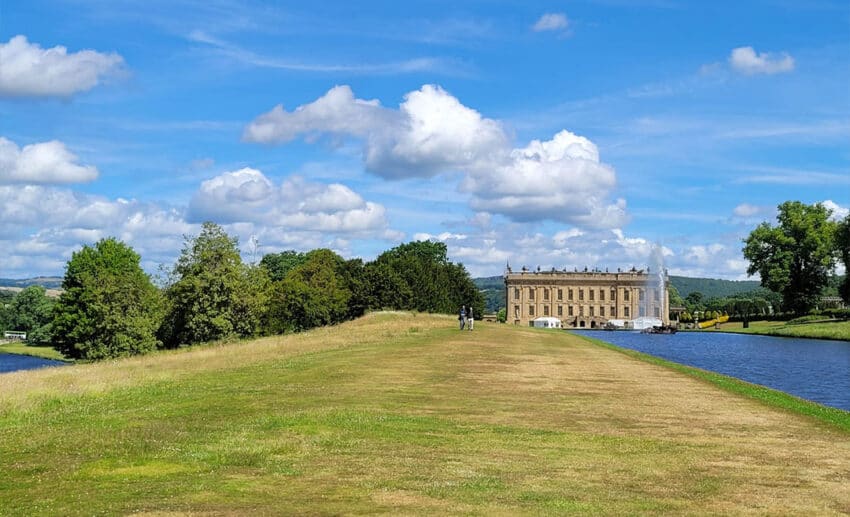
Chatsworth House in Derbyshire is the film's Pemberley, and it's the stop most closely associated with the story. The exterior is instantly recognizable. The grand interiors, open to visitors, help explain why it was chosen to represent Darcy's family estate. Walking through the house, you start to recognize rooms and details from the film, even if you haven't watched it recently.
The surrounding Peak District landscape plays its own role in the film. The sweeping backdrop makes Pemberley feel imposing, a physical representation of Darcy's wealth and social standing. That sense of place is part of what makes Chatsworth such a draw for Austen fans.
But Chatsworth is also worth visiting for reasons that have nothing to do with the film. The house, gardens, and wider estate cover a significant area, and the Peak District offers plenty of opportunities for walking and outdoor exploration. Tickets cost 33 GBP, and most visitors spend five to six hours on the house and garden tour.
Treating Chatsworth as simply a film set misses the point. The estate has its own history, its own significance, and its own appeal. The film connection is an entry point, not the whole story.
Burghley House: Reading the Visual Language
Burghley House, near Stamford in Lincolnshire, stood in for Rosings Park, the estate owned by Lady Catherine de Bourgh. The Elizabethan architecture and elaborate interiors helped establish the film's world of wealth and social expectation. Even if you don't immediately recognize every room, visiting Burghley offers a better understanding of how the film communicated differences in lifestyle and status.
These enormous historic houses aren't just attractive backdrops. They're part of the visual language that underpins Austen's writing. The spaces characters inhabit tell you something about who they are and where they fit in the social order.
Burghley's parkland is extensive, and like Chatsworth, it's worth exploring beyond the house itself. Admission is 22 GBP, and visitors typically spend three to four hours on the house and garden tour.
Stamford: Walking Through Meryton
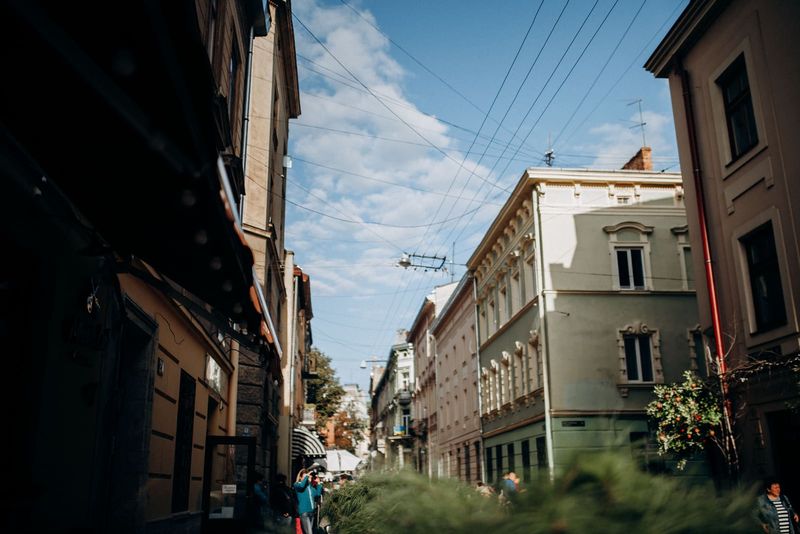
Stamford, a short distance from Burghley, was transformed into the fictional village of Meryton. This is a different kind of set-jetting experience. You're not visiting a single building. You're walking through an entire town that was used to create part of the fictional world.
Stamford's historic center, with its stone buildings, narrow streets, and distinctive architecture, made it a natural choice for the film. In person, the town is easy to explore on foot, and it's free to wander. Most visitors spend three to four hours here, though you could easily spend longer if you stop for coffee, browse the independent shops, or explore the surrounding historic buildings.
The town doesn't feel like a film set. It feels like a town. That's part of what makes it interesting. The film borrowed Stamford's real-world character, and that character is still there, waiting to be discovered on its own terms.
Building Your Own Route
These locations can be combined into a road trip through some of England's most beautiful countryside. The route is flexible. You can follow it exactly, or you can add your own stops along the way. Literary fans might want to include other Austen-related sites. Walkers can build in hikes around the Peak District or Wiltshire. Historic houses, gardens, and market towns provide plenty to explore between the recognizable film locations.
The point isn't to spend the entire trip searching for the exact spot where a particular character stood. It's to use the story as a starting point for exploring somewhere you might otherwise have overlooked. The film offers a framework, but the trip itself is yours to shape.
What Set-Jetting Actually Offers
Traveling for a story you already love is a different kind of experience. There's nostalgia involved, but there's also curiosity. You want to see how the real place compares to the version you've carried in your head. You want to walk where the characters walked, even if you know they're fictional.
Set-jetting works best when it's not treated as a checklist. The goal isn't to replicate the film. It's to use the film as a lens for seeing a place more clearly. The landscapes that appeared on screen have their own histories, their own reasons for being. The film connection is just one layer.
For Pride and Prejudice fans, the 2005 adaptation offers a particularly rich route through the English countryside. The locations are striking, the landscapes are varied, and the story itself has endured for more than two centuries. That kind of staying power suggests there's something in it worth following, whether that leads you to a grand estate in Derbyshire or a quiet market town in Lincolnshire.
The best travel inspiration doesn't always come from guidebooks. Sometimes it's been sitting on your bookshelf all along.